The expected reopening of the Strait of Hormuz is being welcomed as a major step towards restoring stability in global trade and energy markets, but economists say the recovery process will be gradual rather than immediate.
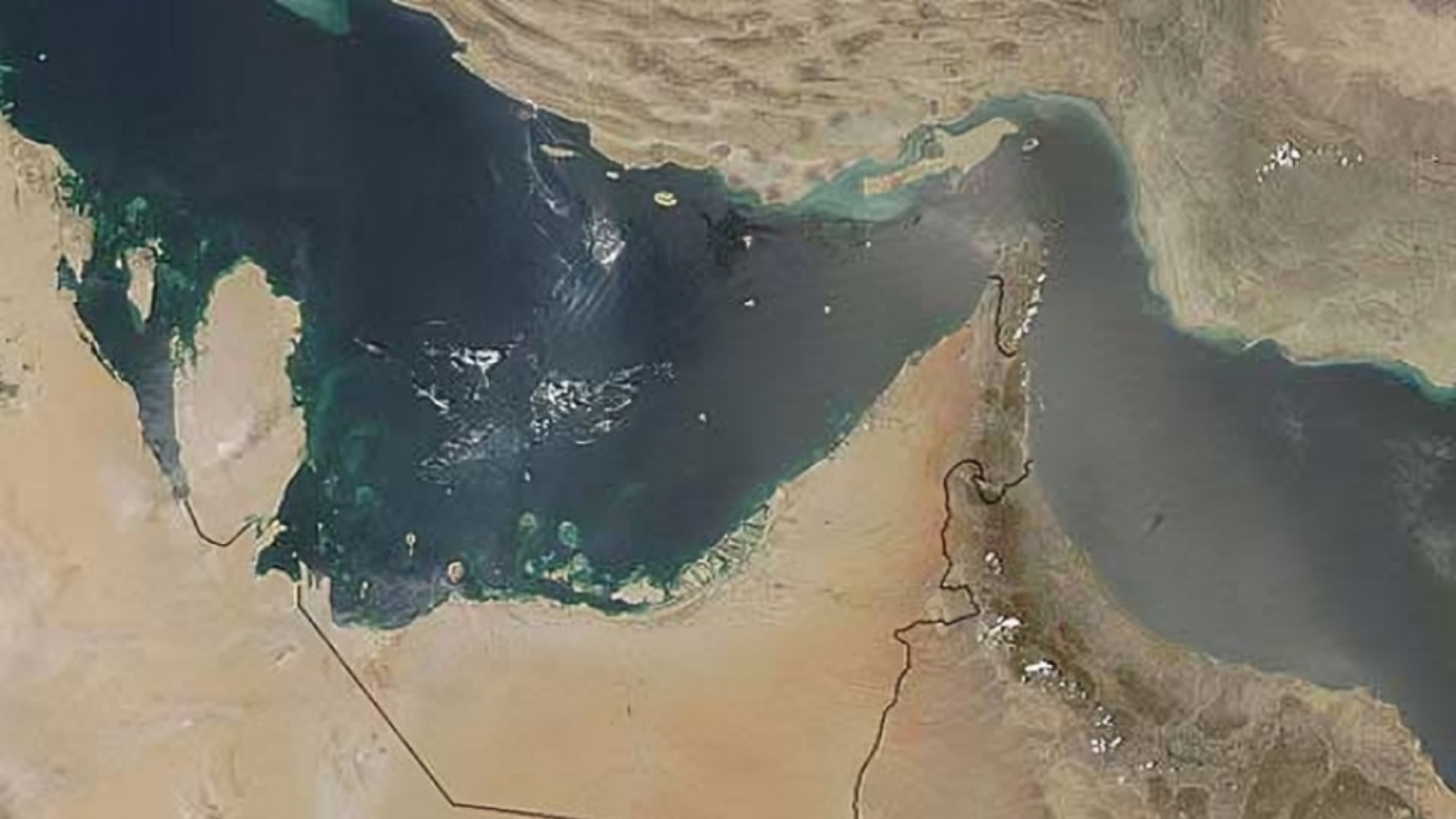
The strategically important waterway responsible for carrying a significant percentage of international crude oil and natural gas has been disrupted for quite some time, mainly due to the worsening of tensions between the US, Iran and Israel. This crisis resulted in soaring prices of crude oil along with shipping and supply disruptions.
Now, with Washington and Tehran coming to terms on a possible deal, it appears likely that energy flows will return to normalcy through this highly important route of the world.
Also Read | 107 days at sea: 562 Indian sailors remain stranded near the Strait of Hormuz amid ongoing crisis
Supply chains expected to recover slowly
The reopening of the Strait of Hormuz is expected to allow hundreds of vessels carrying crude oil, liquefied natural gas, fertilisers and petrochemical products to resume their journeys from Gulf producers to international markets.
Countries such as Saudi Arabia, Iraq, the UAE, Kuwait and Qatar are likely to restart normal export operations, helping restore supplies to major importing nations across Asia. However, analysts warn that the damage caused by months of disruption cannot be reversed overnight.
Industry experts note that shipping schedules, freight networks and production cycles require time to normalise. Maritime operators are also expected to proceed cautiously before returning to pre-crisis traffic levels.
Energy prices may remain elevated for months
Although crude oil prices have responded favorably to the potential deal, lower prices at the gas pumps may take some time.
Experts claim that any changes in the price of oil would take a few months to reflect on the natural gas market and other areas like transport and consumer prices.
The effect of expensive fuel prices on manufacturers, agriculture, and logistics operations would also continue despite the opening of the transport routes.
There have been fertilizer shortages reported in agricultural operations in a number of Asian countries as they entered the planting season, affecting their future crop production.
How does it affect India?
As far as India is concerned, being among the top importers of crude oil globally, this development comes as positive news.
Reduced oil prices could mean reduced import costs, easing the burden on the rupee as well as controlling inflation. The reduced transport cost would further be beneficial for those industries that depend upon international trade, such as aviation, logistics, petrochemicals, and fertilizers.
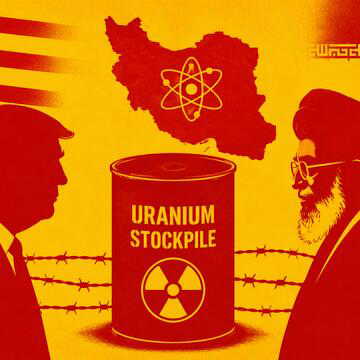
Also Read | Iran's uranium puzzle: 'About 440 kilograms' now at heart of high-stakes US negotiations
Optimism remains tied to geopolitical stability
Although there are some encouraging signs in the energy sector, things are still not clear. If there is any new escalation, it can disrupt shipping lanes once again, send oil prices into a downward trend, and trigger worries about oil supplies worldwide.
Experts suggest that this situation has led the nations to seek alternate routes for doing business and sourcing supplies. This may have long-term effects on the international energy landscape, despite the opening of Hormuz.
Currently, this development comes across as an important milestone, and not a quick solution for all the economic issues caused due to the ongoing disruptions.
FAQs
Why is the Strait of Hormuz so significant?
Strait of Hormuz is a strategically important energy transit channel where a substantial volume of oil and natural gas shipments from the Gulf States pass.
How would the reopening help India?
India might find it easier to bring in cheaper supplies of crude oil, which will keep inflation rates low, help the rupee appreciate, and reduce costs for various industries.