Iran's top leadership is allegedly preparing to remove its chief diplomat amid a deepening internal rift over the country's stalled negotiations with the United States.
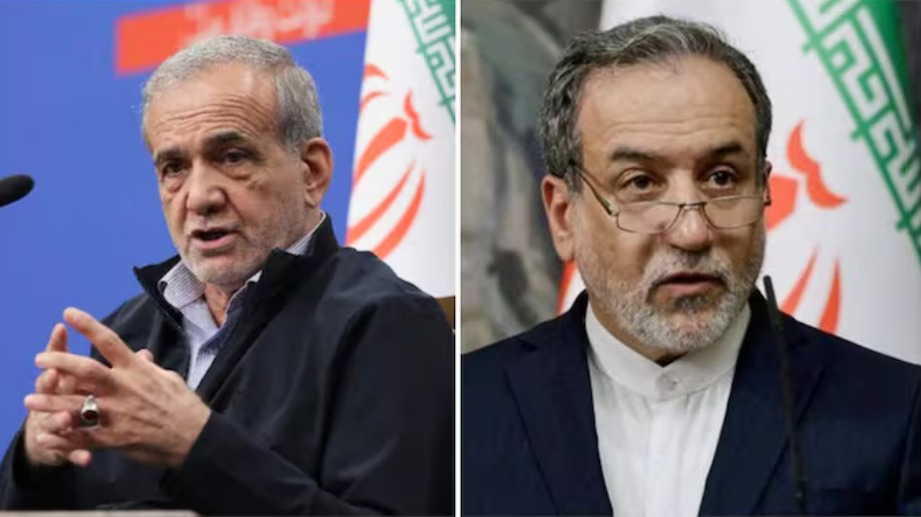
President Masoud Pezeshkian and parliamentary speaker Mohammad Bagher Ghalibaf are calling for the ouster of Foreign Minister Abbas Araghchi, according to two sources familiar with the matter who spoke to Iran International.
The move signals a serious fracture within Iran's ruling establishment at a moment of acute diplomatic pressure.
(Agencia AJN) Irn: El presidente Pezeshkian estara buscando desplazar al canciller Araghchi por responder a la Guardia Revolucionaria y no al gobierno
— ITON GADOL es Israel y las comunidades judias (@Itongadol) May 1, 2026
Ver nota: https://t.co/jVC4OLDtIB#Iran #MedioOriente @drpezeshkian @Araghchi pic.twitter.com/ZAPzp3jxQN
Also Read | US resumes direct flights to Venezuela after 7-year gap
Araghchi’s ‘loyalty switch’ sparks top-level heat
According to the sources, Pezeshkian and Ghalibaf believe Araghchi has in recent weeks acted less as a cabinet minister tasked with implementing government policy and more as an aide to Ahmad Vahidi, the commander of the Revolutionary Guards.
FM Araghchi had acted over the past two weeks without informing Pezeshkian, in full coordination with Vahidi and based on his directives, causing deep dissatisfaction for the president, who has told people close to him that he will dismiss Araghchi if it continues.
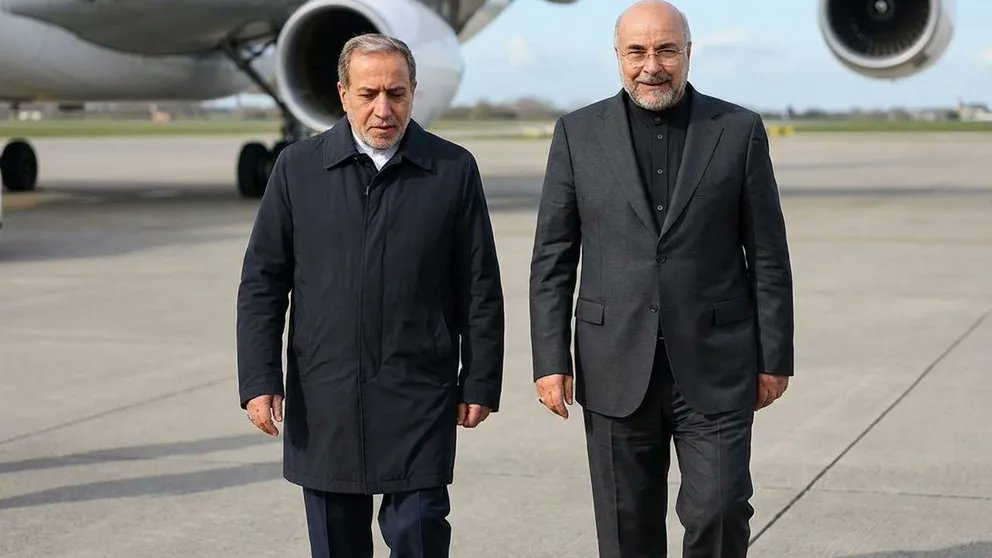 President Masoud Pezeshkian and Parliament Speaker Mohammad Bagher Ghalibaf are reportedly seeking the removal of Foreign Minister X | @viarifnote
Also Read | 6,500 tonnes of weapons sent to Israel amid tensions: Is US planning fresh strikes on Iran?
One meeting, many egos
The crisis appears rooted in a breakdown during the Islamabad round of US-Iran talks earlier this month.
Internal disputes within the Iranian negotiating delegation were what ultimately caused the team to leave the talks on Saturday, April 12, according to sources familiar with the negotiations.
A key flashpoint came during the Friday session, when Araghchi had displayed flexibility regarding reducing or halting financial and military support for the 'Axis of Resistance,' especially Hezbollah, which drew a harsh reaction from Mohammad Bagher Zolghadr, secretary of Iran's Supreme National Security Council.
Araghchi subsequently visited Islamabad on April 24 and handed over Tehran's proposal, which was later rejected by the US president.
Tehran’s balancing act hits turbulence
The standoff underscores the structural tension at the heart of Iranian governance between an elected executive and the parallel power wielded by the IRGC.
President Pezeshkian has separately said Tehran will not enter into "forced negotiations" with the United States while facing pressure and threats and that progress would remain difficult unless "hostile actions and operational pressures" from Washington are halted.NDTV reported that Iran has not issued any official statement on the matter and that the claims could not be independently verified. The internal divisions have complicated the diplomatic track with Washington at a sensitive moment.