The South African government has decided to withdraw their national draft policy on artificial intelligence (AI) due to the internal investigation’s findings that some of the sources quoted in the policy were fabricated, raising serious questions about oversight and credibility.
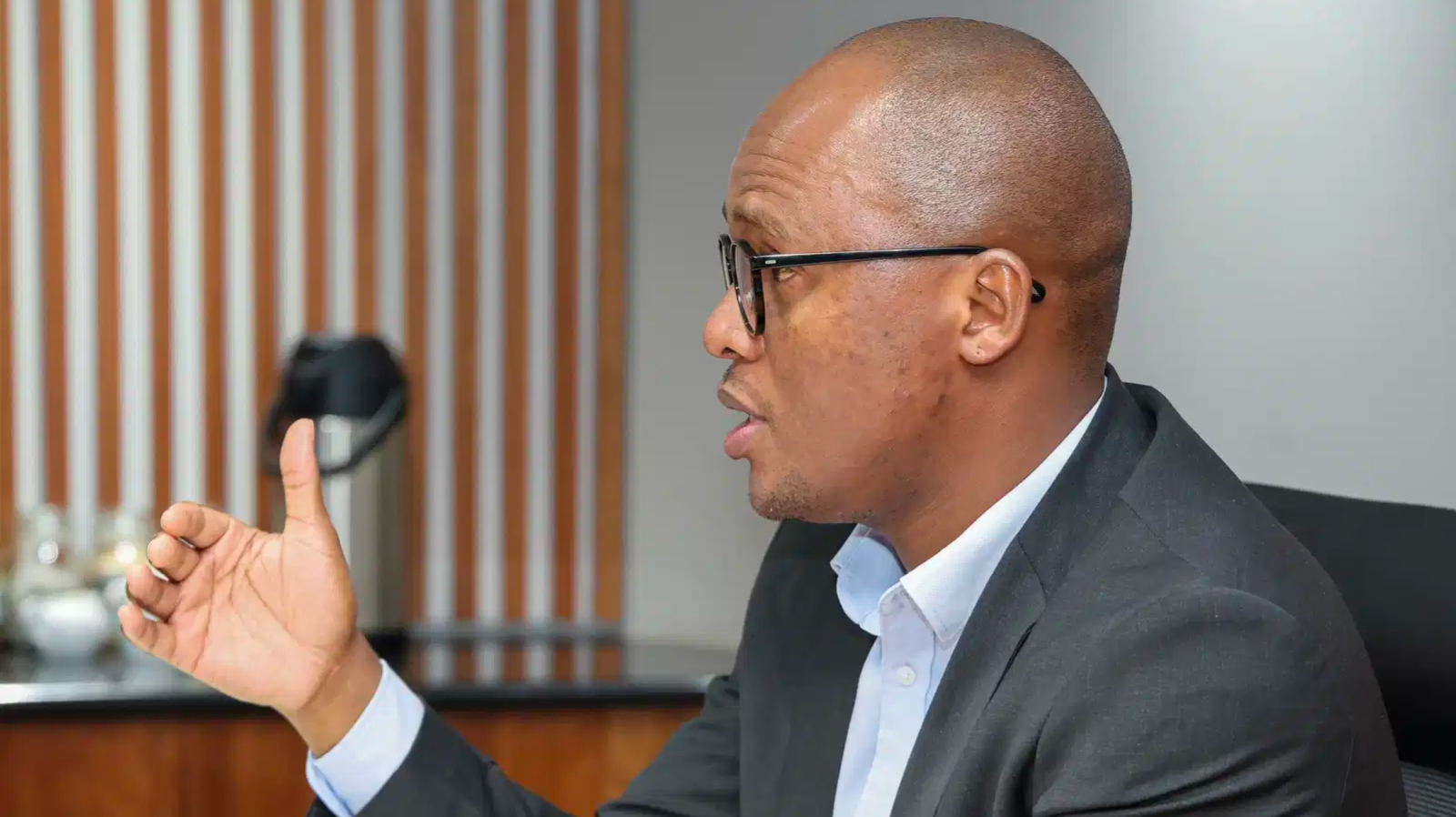
Communications and Digital Technologies Minister Solly Malatsi acknowledged the lapse, stating that the most likely explanation was the inclusion of AI-generated citations without proper verification. “This failure is not a mere technical issue but has compromised the integrity and credibility of the draft policy,” he said in a post on X.
Also Read | Khamenei's 'new chapter' remark raises questions over Strait of Hormuz control
Probe reveals non-existent references
This policy, which was already approved by the Cabinet under President Cyril Ramaphosa before being made available for public consultations in the country earlier this month, was aimed at putting South Africa ahead of the curve as far as AI development in Africa is concerned.
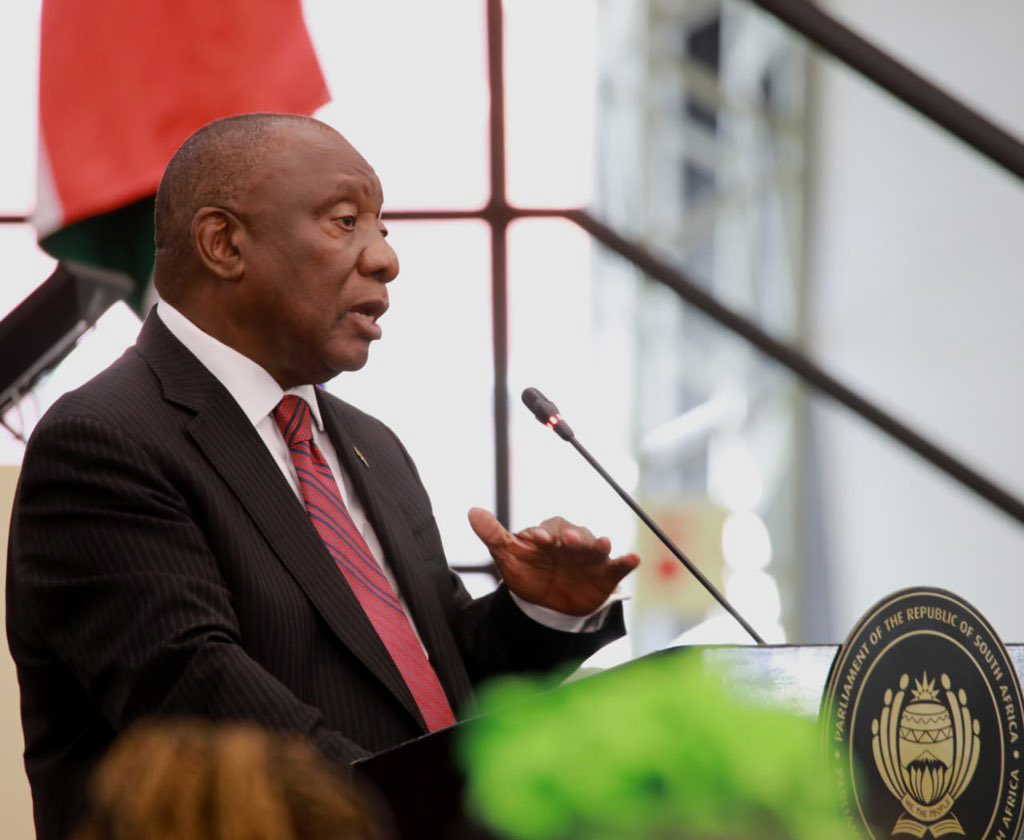 X/ Cyril Ramaphosa
 The policy attracted the ire of academic editors who discovered that many of the references cited in the policy document could not be found because they did not exist. The editors, from journals such as the South African Journal of Philosophy, AI and Society, and Journal of Ethics and Social Philosophy confirmed that many cited articles were not actually published in their journals.
Upon further investigation, it was discovered that about 67 of the cited references were not just fake but were falsely cited and possibly generated using AI tools.
Political backlash and policy reset
The revelations sparked immediate political backlash, with the chair of the parliamentary committee on communications, Khusela Diko, urging for the withdrawal of the policy in question, citing questions over its legitimacy.
Statement on the integrity of the Draft National Artificial Intelligence Policy
— SollyMalatsi (@SollyMalatsi) April 26, 2026
Following revelations that the Draft National Artificial Intelligence Policy published for public comment contains various fictitious sources in its reference list, we initiated internal questions…
Opposition leaders rejected suggestions that responsibility lay with junior officials, arguing that both the department and the ministry failed in their duty of due diligence.
The now-withdrawn policy had proposed the creation of several new institutions, including a National AI Commission, an AI Ethics Board and a regulatory authority. Additionally, the document included a range of incentives, which ranged from tax breaks to grants intended to attract companies to work in this sector.
Also Read | Kohinoor diamond back in focus as Zohran Mamdani calls for its return to India
Now that the draft has been withdrawn, the government is faced with starting some elements of consultations and drafting processes all over again.
Malatsi said the episode underscores the importance of human oversight in the use of artificial intelligence in governance. “It’s a lesson we take with humility,” he said.