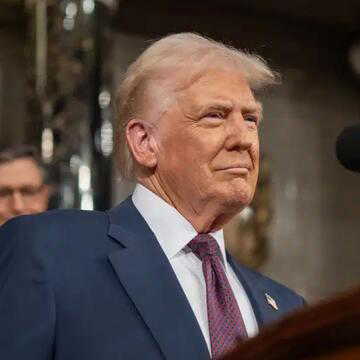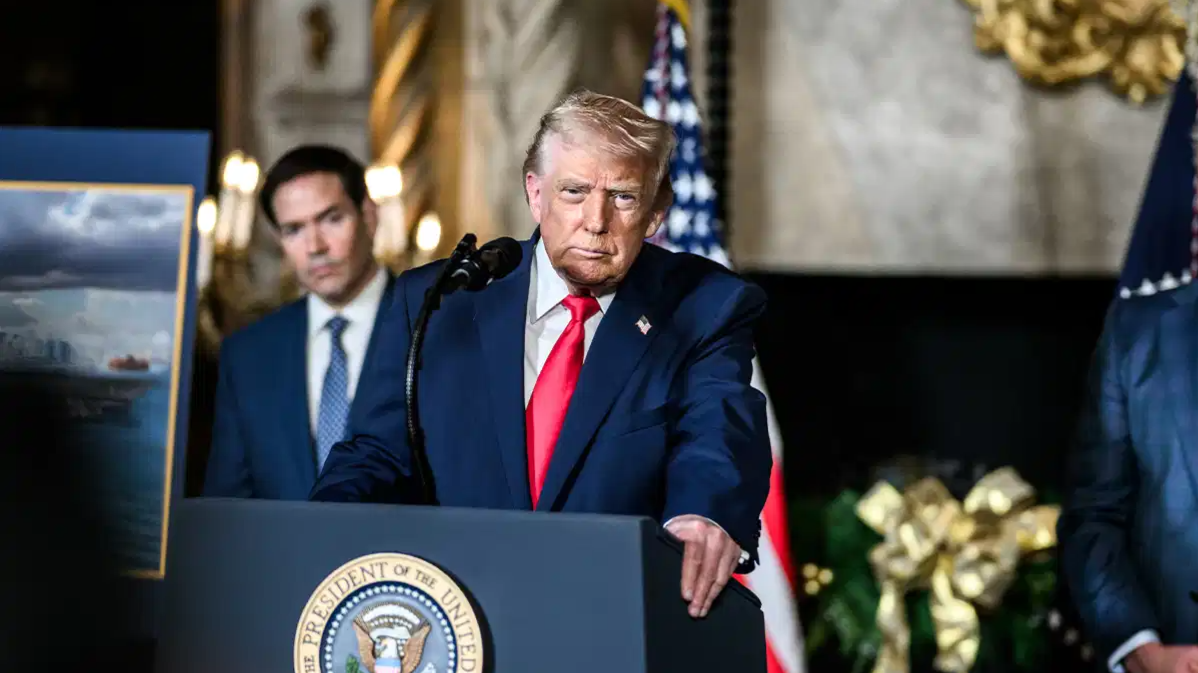
As the 60-day deadline under the US War Powers Act draws to a close, the Donald Trump administration has said the United States is "not at war" with Iran, even as tensions in the Middle East continue to weigh on global markets.
Administration's stance on conflict
Per NDTV, US House Speaker Mike Johnson addressed the situation, saying, "We are not at war." He added, "I don't think we have an active, kinetic military bombing, firing or anything like that. Right now, we are trying to broker a peace."
Also Read | Dark Eagle in focus: Will the US use its hypersonic weapon against Iran?
Johnson also noted the sensitivity of ongoing negotiations. "I would be very reluctant to get in front of the administration in the midst of these very sensitive negotiations, so we'll have to see how that plays out," he said.
Ceasefire and the 60-day clock
US Secretary of Defence Pete Hegseth told lawmakers that the current ceasefire with Iran could affect the legal timeline. Responding to questions about whether the administration would seek congressional approval, he said, "Ultimately, I would defer to the White House and White House counsel on that. However, we are in a ceasefire right now, which, in our understanding, means the 60-day clock pauses or stops in a ceasefire."
The deadline stems from the War Powers Act, which requires the president to begin withdrawing forces after 60 days unless Congress authorises continued military action. President Donald Trump notified Congress on March 2, making May 1 the key date.
Democrats raise objections
Democratic lawmakers have challenged the administration’s interpretation. Senator Tim Kaine said, "I do not believe the statute would support that."
"I think the 60 days runs (out) maybe tomorrow, and that's going to pose a really important legal question for the administration there," he added.
The conflict began on February 28 following joint attacks by the United States and Israel on Tehran and other Iranian cities. Iran responded with strikes on Israel and US bases in the Gulf, and by blocking a major shipping route through the Strait of Hormuz.
What lies ahead
Efforts to curb the conflict through legislative action face hurdles. A recent Senate vote rejected a resolution aimed at limiting the president’s authority.
Also Read | Trump signals tougher stance as US prepares potential strikes on Iran
Senator Adam Schiff, who introduced the measure, said, "Some of my colleagues have indicated that the War Powers Act's 60-day mark is the moment they may join our efforts to bring this war to its conclusion. That time has come."
"After two months of war, thirteen service members' lives lost, and billions of dollars squandered, it is time we recognized that the price we have paid is already too high."