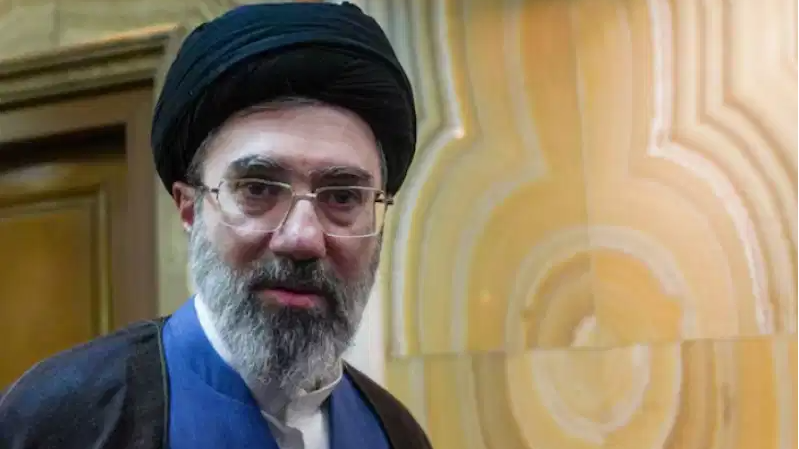
Iran’s Supreme Leader Mojtaba Khamenei on Thursday spoke of a “new chapter” for the Persian Gulf and the Strait of Hormuz, as tensions continue amid the ongoing conflict involving the United States and Israel.
In a message marking National Persian Gulf Day, Khamenei said the region is moving towards a “bright future” without the presence of the US. The remarks were broadcast on state television, reported Hindustan Times.
Also Read | ‘Cartographic inaccuracy’: Nepal Airlines apologises after map shows J&K as part of Pakistan
He further reportedly stated that Iran would take steps to secure the Gulf and end "the enemy's abuses of the waterway". The message pointed to a shift in how Tehran views control and management of the strategic route.
A new chapter for the Persian Gulf and the Strait of Hormuz is unfolding.
— Ayatollah Mojtaba Khamenei (@MKhamenei_ir) April 30, 2026
Vision for regional control
Khamenei added that new management of the Strait of Hormuz would bring stability and economic gains for countries in the Gulf. He suggested that the region could benefit from calmer conditions and improved cooperation once external influence is reduced.
The Strait of Hormuz remains one of the world’s most critical oil transit routes, making any change in its control or accessibility significant for global markets.
Deadlock in talks continues
The comments come at a time when the conflict between the US and Israel on one side and Iran on the other has reached a stalemate. The war, which began on February 28, has seen little progress in ongoing peace talks.
Also Read | Did Iran-linked hackers leak personal data of over 2,000 US Marines? Here's what we know
Although a truce remains in place, negotiations have not moved forward, leaving the situation unresolved.
Blockade impacts global oil flow
Despite the pause in direct fighting, the US military continues to maintain a blockade of Iranian ports in the Strait of Hormuz. This has added pressure on oil and gas supply routes.
In response, Iran announced it would again close the Strait, leaving several vessels stranded at sea. The disruption has pushed oil prices higher, with Brent crude crossing $120 per barrel — its highest level since March 2022 during the Ukraine conflict.
The developments underline the growing impact of the standoff on global energy markets.