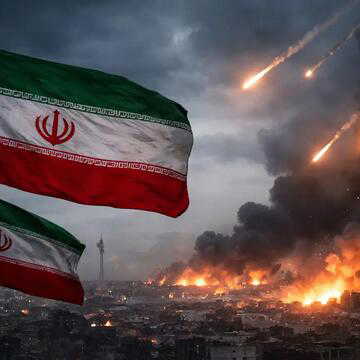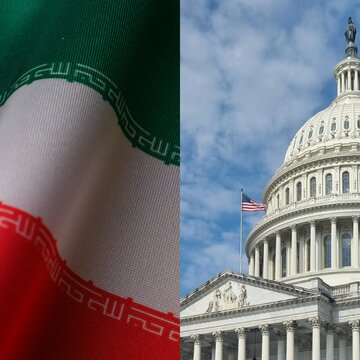
The war began on February 28. It continues even now. Iran's Supreme Leader Ayatollah Ali Khamenei died in a joint attack by America and Israel (Iran Israel War). Several members of his family were also killed. Since then, Iran has begun retaliating. Missile attacks have been launched in multiple countries in West Asia. And Iran's biggest weapon in this war is the Strait of Hormuz.
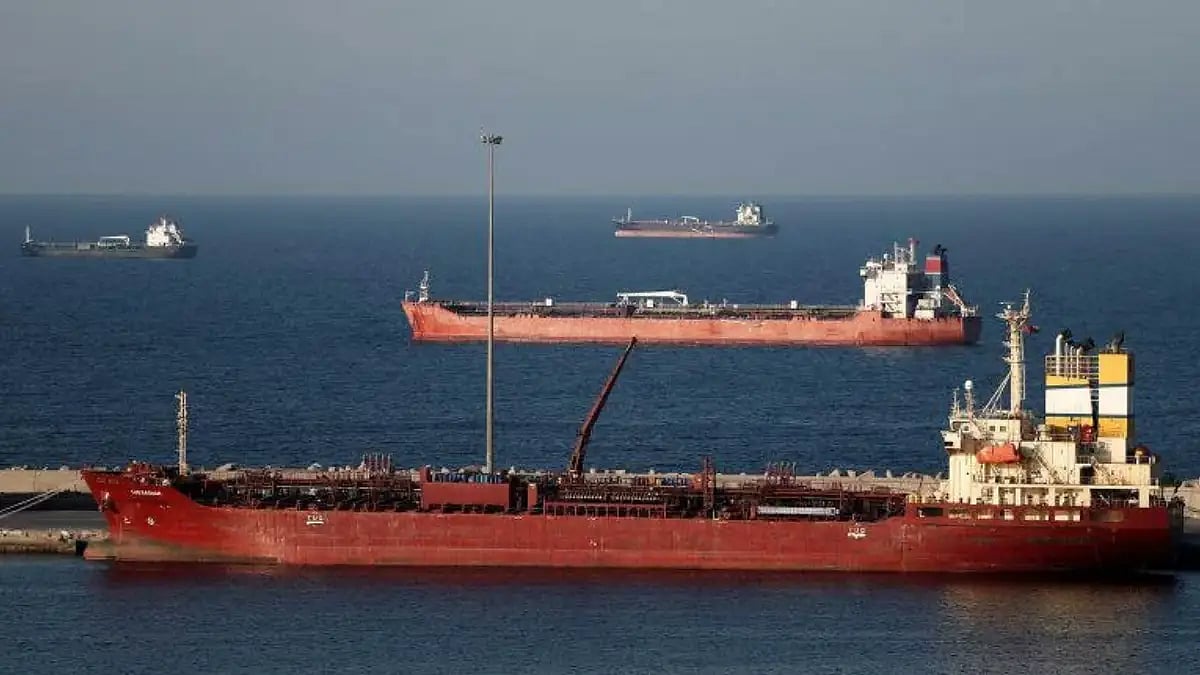
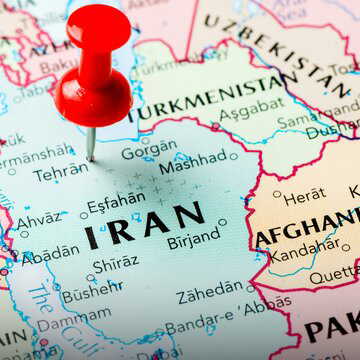
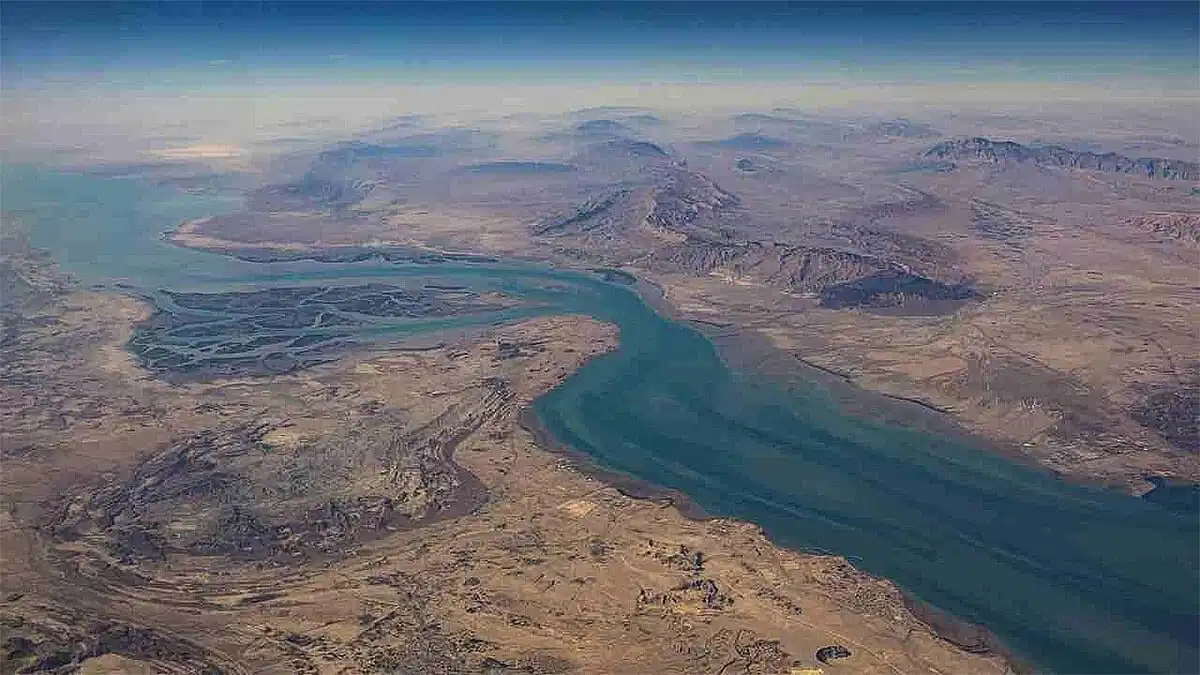
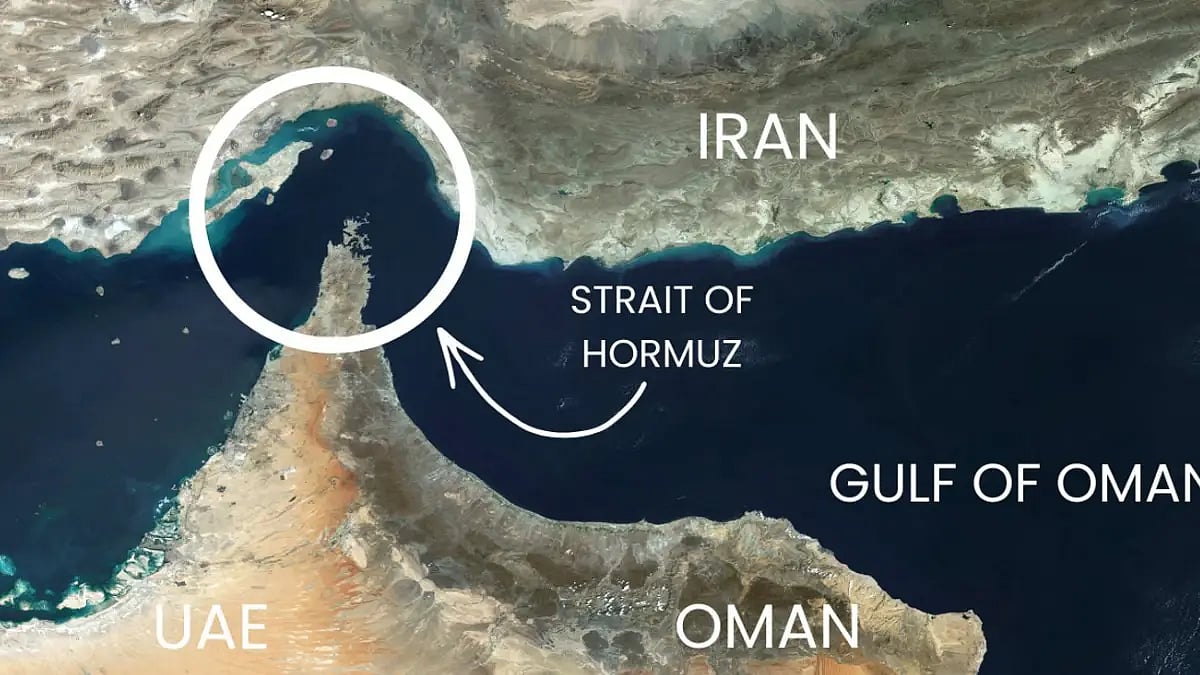
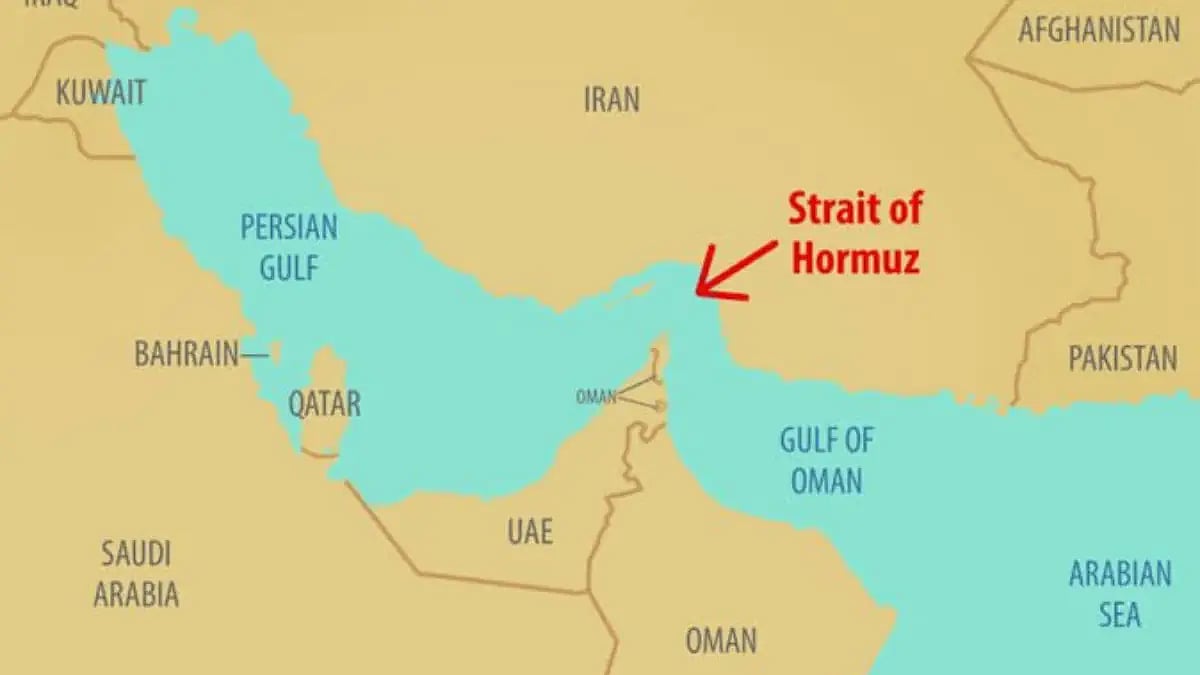
Since the war began, the name of the Strait of Hormuz has repeatedly appeared in news headlines. The entire world's fuel supply is transported through this narrow, winding waterway. The Strait of Hormuz is located between Iran and Oman. All ships departing from oil-producing countries like Saudi Arabia, Iraq, Kuwait and Qatar go to other countries through this strait. But why has there been such an uproar worldwide about the Strait of Hormuz?
Iran's restrictions on the Strait of Hormuz amid war?
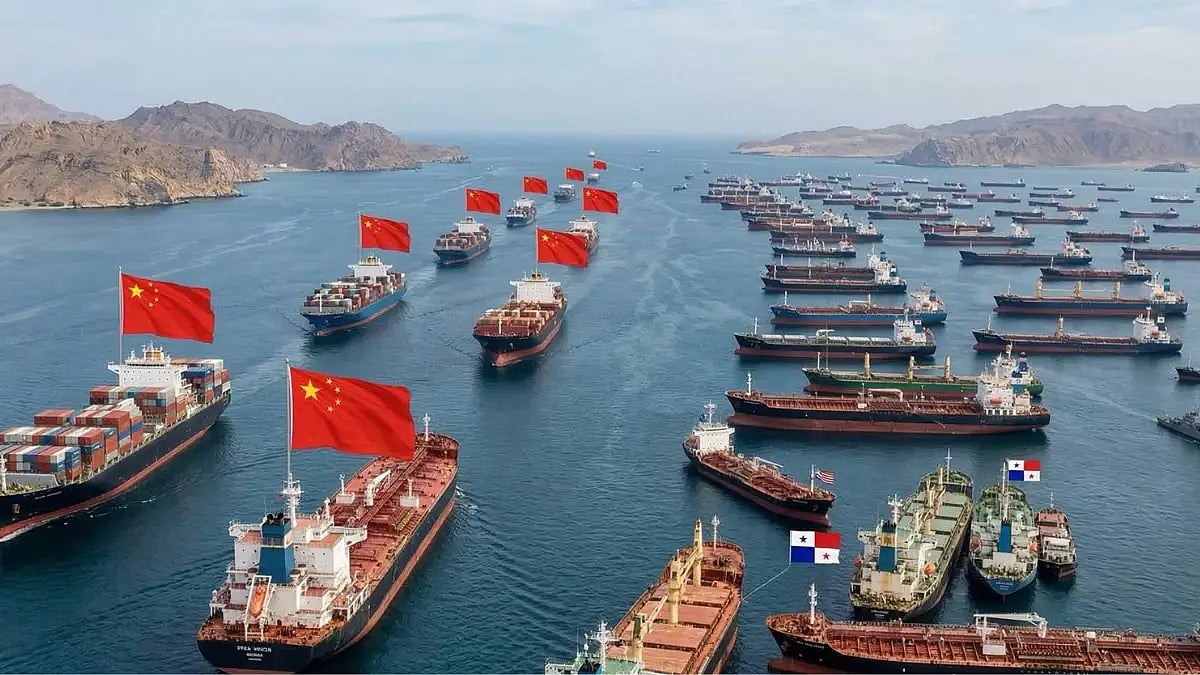
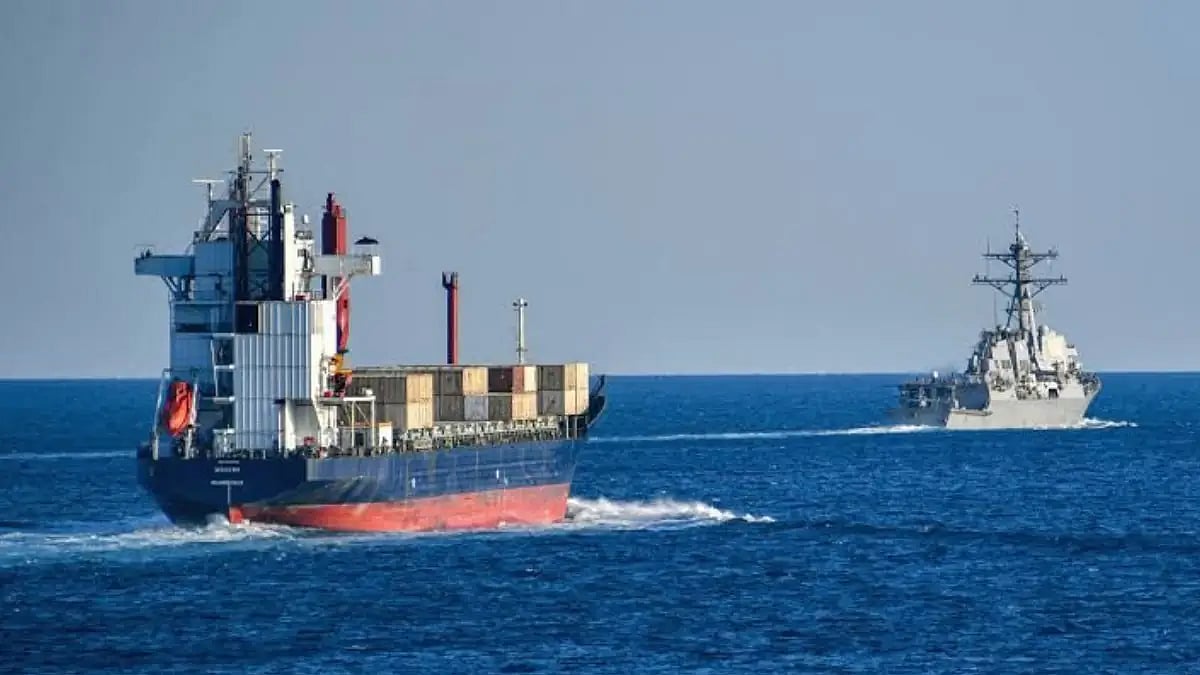
The Strait of Hormuz is a major twist in the Iran-Israel war. Iran's Revolutionary Guards have imposed restrictions on the movement of oil tankers and cargo ships from other countries through the Strait of Hormuz. Iran has announced that countries that are not allies of Israel and America will be allowed passage through the Strait of Hormuz. It has been indicated that ships from China and Russia in particular will not face Iran's wrath. However, no official announcement has been made by Iran on this matter.
Description of the Strait of Hormuz
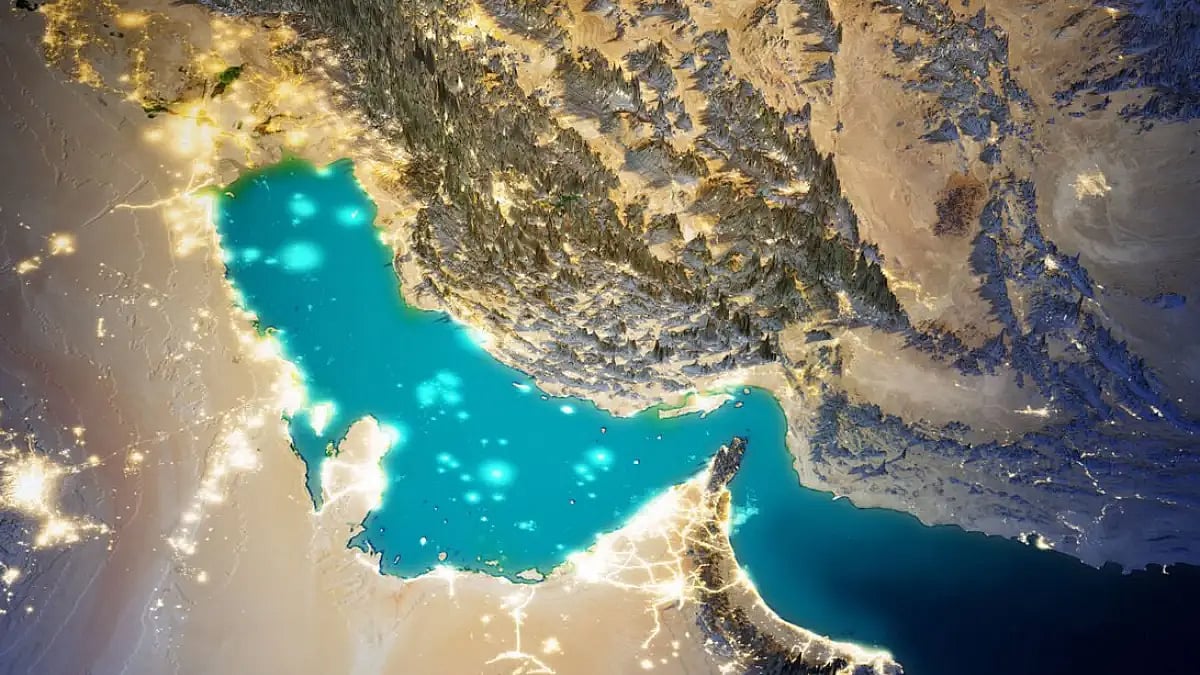
Iran is on one side. On the other side are the Gulf countries, the United Arab Emirates and Oman. This narrow section is 33 kilometres wide. According to sources, one-sixth of the world's total fuel and one-third of LNG (Liquefied Natural Gas) is supplied through this strait. With the closure of the Strait of Hormuz, fears of an energy crisis worldwide have been raised.
What is the importance of this strait?
The Strait of Hormuz is an important channel for global trade. At one time, ceramics, ivory, and textiles were transported from China through this region. Currently, crude oil from Saudi Arabia, Kuwait, Iraq, Qatar, Bahrain, the United Arab Emirates and Iran is transported through this strait. However, it is known that Saudi Arabia and the Arab Emirates have special pipelines for oil supply.
Is the Strait of Hormuz really closed?
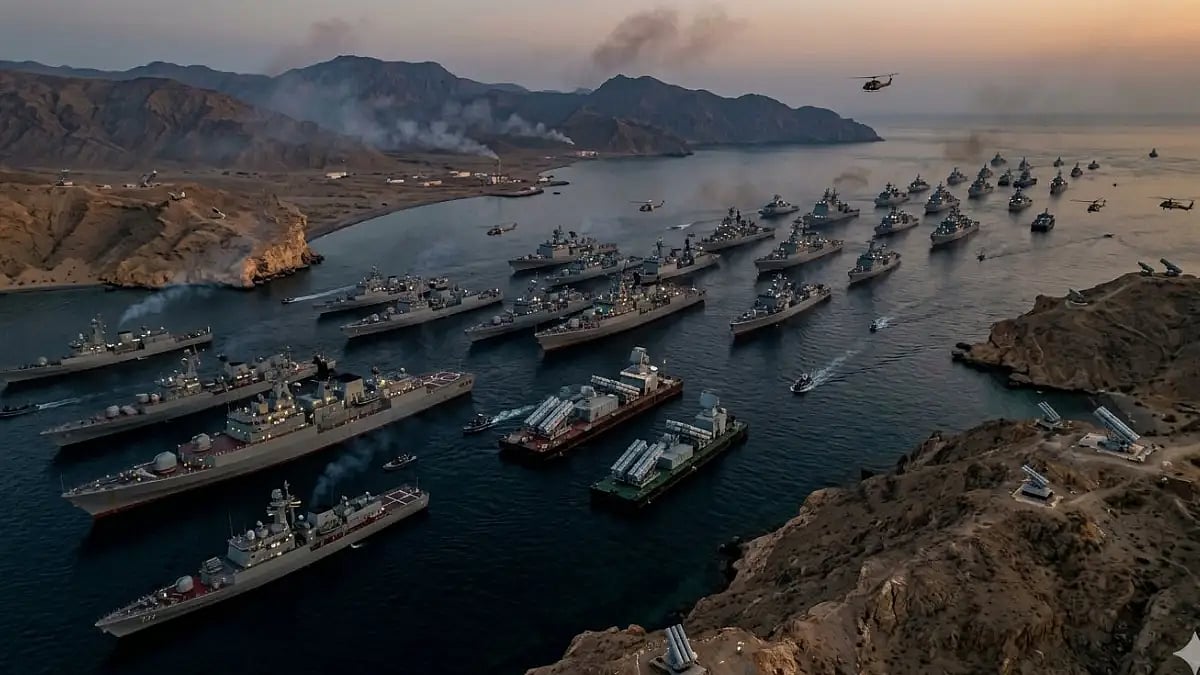
In January, 24 ships used to pass through the Strait of Hormuz daily. However, after the war, the number of ships had decreased to 4 on March 1. After the war on February 28, on March 3, Brigadier General Ibrahim Jabbari of Iran's Islamic Revolutionary Guard Corps (Iran's Revolutionary Guards) threatened that oil tanker ships passing through the Strait of Hormuz would be set on fire.

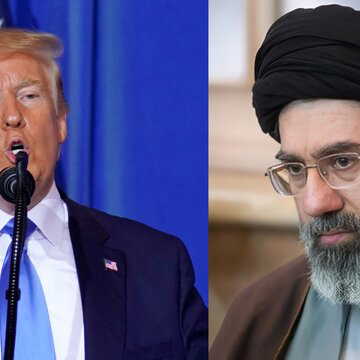
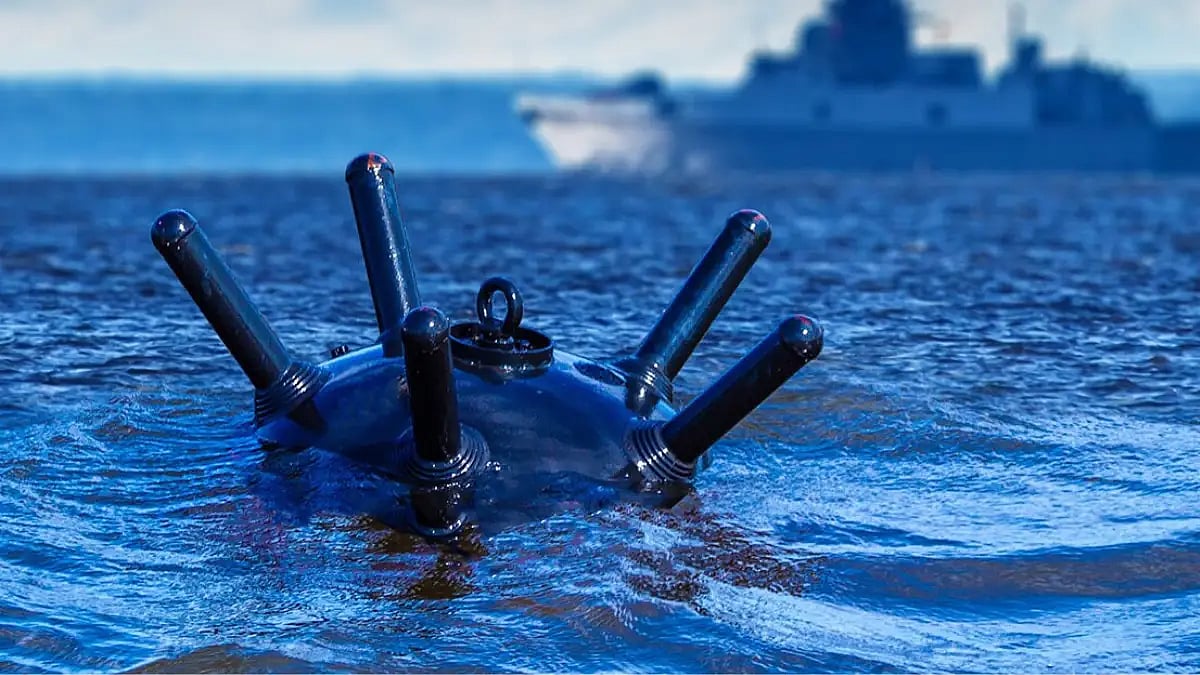
After this, there has been an uproar worldwide about fuel. In this situation, US President Donald Trump announced that if Iran does not remove the boat mines, bigger action will be taken against it. However, Iran's Islamic Revolutionary Guard Corps has remained reluctant to speak on this matter so far.
What impact has it had on India?
The impact of the Strait of Hormuz coming to a halt due to the Iran-Israel war has already reached various hotels and restaurants in India. Commercial gas supply is facing a crisis. As a result, the possibility of major hotels and restaurants closing across the country has emerged. At the same time, cooking gas prices in India have increased by 60 rupees in one go. This has made the situation even more complex.
However, America has announced that India can buy oil from Russia for the next 30 days during wartime. This has provided some relief to India. Trump had set the condition that if India takes fuel from Russia, America will impose high tariffs on Indian goods. But due to the closure of the Strait of Hormuz, America has backed down from its own condition.
Is only gas and oil transported to India through the Strait of Hormuz?
Not just oil or gas. Several goods were transported to India through the Strait of Hormuz. These include petrochemicals, fertilisers, industrial and agricultural products, machinery, and diamond cutting equipment.