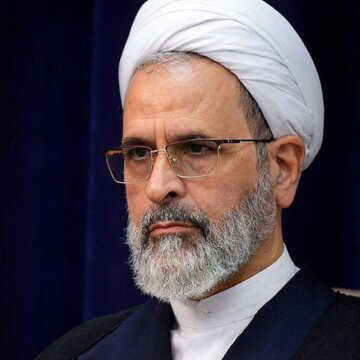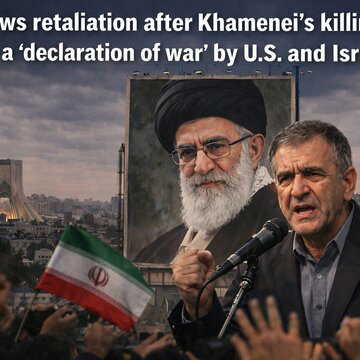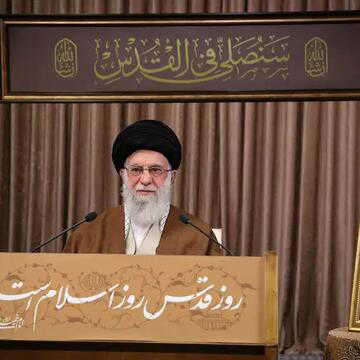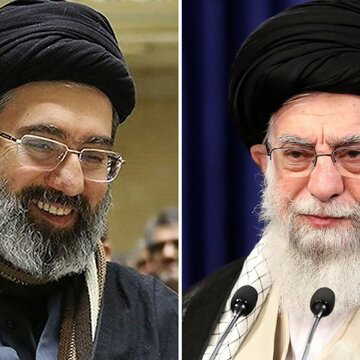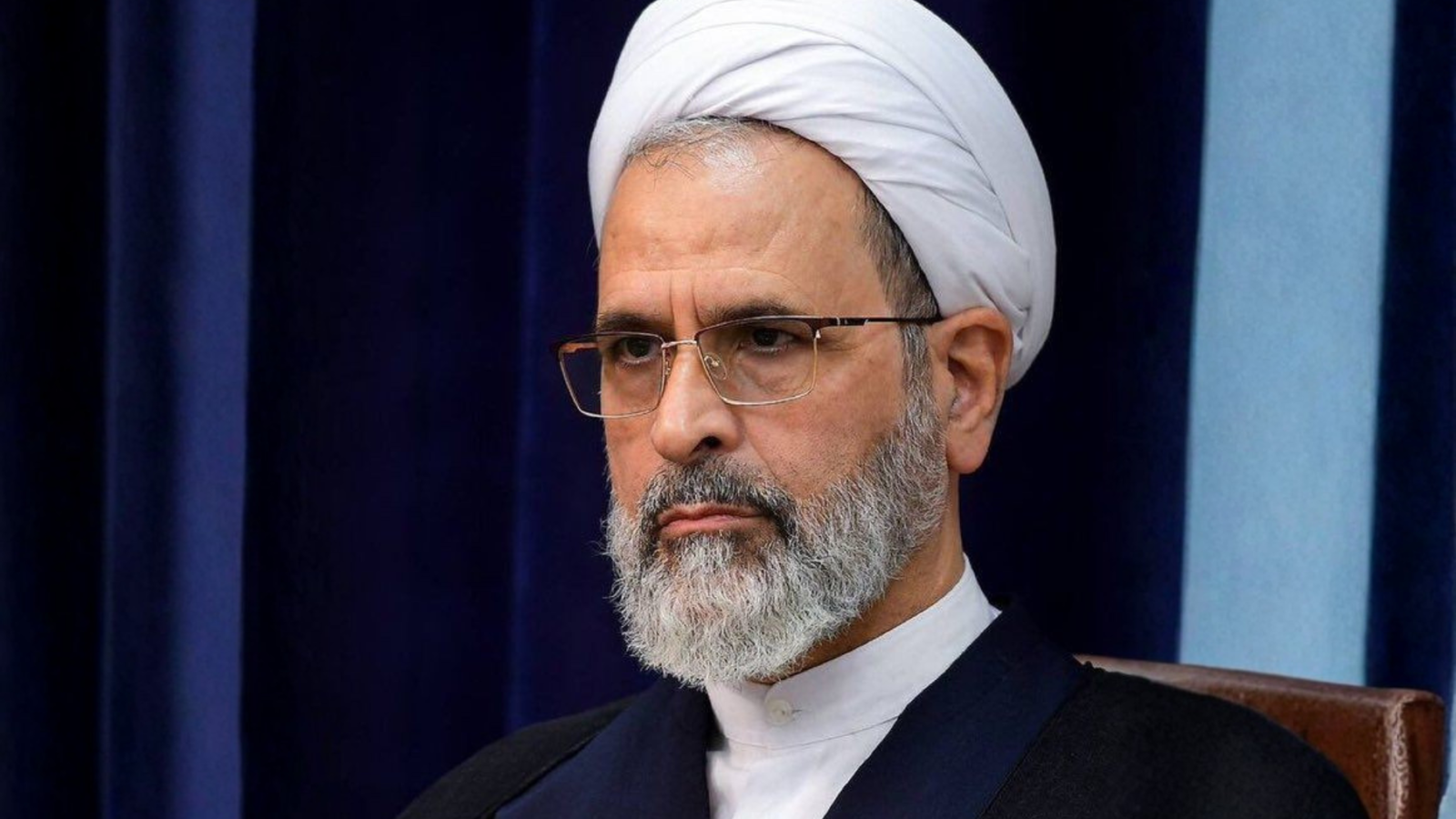
A decade after losing a key clerical election, Alireza Arafi has risen to the centre of Iran’s power structure. Following the reported killing of Supreme Leader Ali Khamenei, Arafi now serves on a provisional leadership council tasked with overseeing the Islamic Republic during a period of uncertainty.
Under Iran’s constitution, in the event of the Supreme Leader’s death or incapacitation, a temporary council comprising a senior cleric, the president and the chief justice assumes responsibilities until a permanent successor is chosen by the Assembly of Experts.
Provisional leadership council takes charge
According to Reuters, Arafi is currently serving alongside President Masoud Pezeshkian and Chief Justice Gholam-Hossein Mohseni-Eje’i on the interim council.
The three-member body is responsible for exercising the Supreme Leader’s constitutional duties until the Assembly of Experts selects a permanent successor.
Born in 1959 in Meybod, Yazd Province, Arafi is a product of the influential Qom seminaries and is fluent in Arabic and English. He has authored more than two dozen books and built his career largely through institutional appointments rather than electoral politics.
The 2016 election setback
Arafi’s path to power has not been without obstacles. In the February 2016 Assembly of Experts election, he failed to secure a seat in Tehran amid a reformist-leaning sweep backed by former president Akbar Hashemi Rafsanjani.
Although approved by the Guardian Council, Arafi did not receive sufficient votes in what was considered a rare electoral upset in Iran’s clerical politics. However, the defeat proved temporary. He returned via a midterm by-election in June 2021, re-entering the Assembly of Experts ahead of schedule.
Rise through clerical ranks
Between 2009 and 2018, Arafi served as president of Al-Mustafa International University in Qom, an institution focused on promoting Shia scholarship abroad. He later rose to head Iran’s national seminary system and was appointed to the Guardian Council by Khamenei. It is a move analysts at the Middle East Institute said reflected strong confidence in his bureaucratic abilities.
By the March 2024 Assembly of Experts election, Arafi had consolidated enough influence to emerge as the top vote-getter in Tehran, according to the Associated Press. He was subsequently elected second deputy chairman of the Assembly, placing him close to the centre of succession deliberations.
Observers noted that the 2024 election process was tightly managed, with a large number of candidates disqualified before voting.
Also Read | ‘World War 3 has begun,’ says Alexander Dugin amid Middle East escalation
A contender for permanent leadership?
The Council on Foreign Relations had previously identified Arafi as one of the clerics likely to be considered for the Supreme Leadership, alongside figures such as Ayatollah Hashem Hosseini Bushehri and Hojjat-ol-Eslam Mohsen Qomi.
Though described as a regime insider, Arafi is not historically seen as deeply aligned with the Islamic Revolutionary Guard Corps. He has, however, advocated institutional modernisation, including the integration of artificial intelligence into religious governance frameworks.
Also Read | Beit Shemesh tensions rise after IDF claims 40 senior Iranian officials killed in opening strike
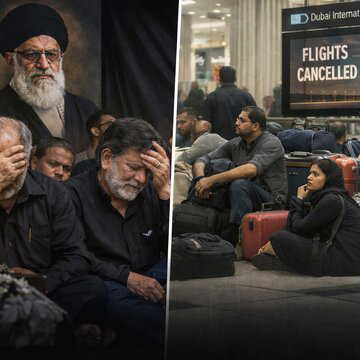
Iran’s 88-member Assembly of Experts is now constitutionally required to appoint a permanent Supreme Leader as soon as possible. As the country observes 40 days of national mourning and navigates escalating regional tensions, Alireza Arafi’s journey from electoral defeat in 2016 to interim leadership in 2026. This situation underscores the resilience and complexity of Iran’s clerical power structure.