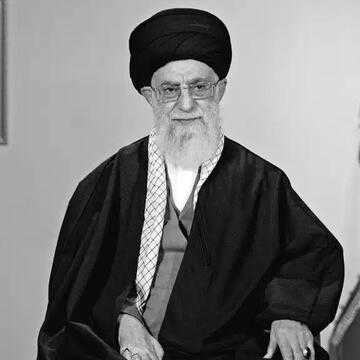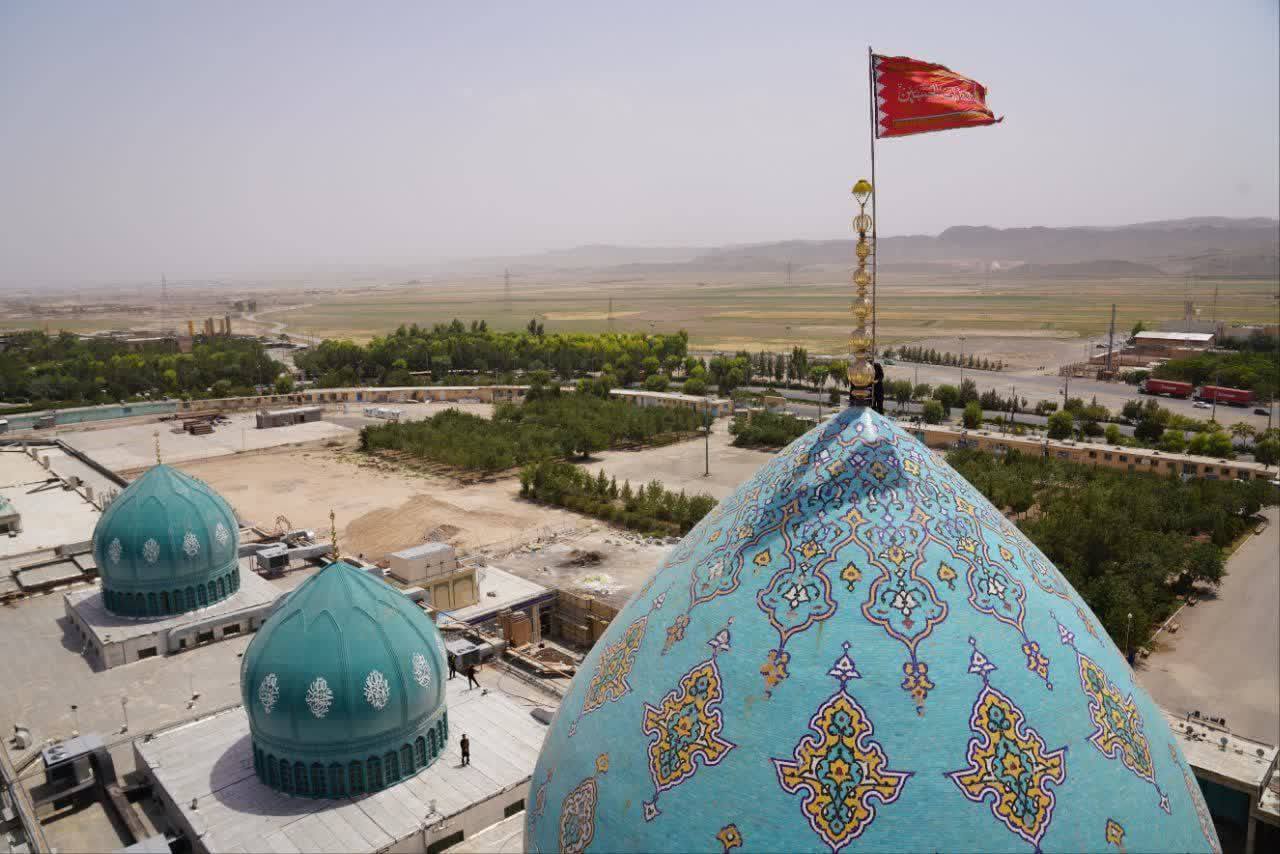
After reports emerged of the death of Ali Khamenei in a joint US–Israeli strike, a red flag was raised over the dome of the Jamkaran Mosque, a highly revered Shiite site in Qom. The act carries deep symbolic meaning within Shiite Islam and has been interpreted widely as a message of vengeance and resistance.
What the red flag signifies
The red flag flown above the mosque is often described as a “flag of revenge” in Shiite symbolism. Traditionally, in this religious context, red signals unavenged blood, particularly the blood of martyrs. It can be interpreted as a call for justice or retribution against those who are perceived as enemies or aggressors. In this case, the raising of the flag was widely reported as a response to the reported killing of Iran’s Supreme Leader, interpreted by many supporters as a demand for retaliation.
This symbolic practice is tied to historical memory in Shiite Islam, especially the martyrdom of Imam Hussein, a central figure whose death in the 7th century is commemorated each year during Muharram. Red flags are used to signify that the blood of a martyr has yet to be avenged and are sometimes displayed at religious sites and processions.
Religious and political messaging
State media and local reports linked the flag to mounting anger and a sense of vengeance among supporters of the late leader. The heightened tensions and demonstrated outrage suggest that the gesture was meant to convey both religious grievance and political resolve in the face of external aggression.
While such flags have appeared during other periods of mourning or symbolic protest in the past, their use outside of traditional mourning cycles has historically been interpreted as a sign of deep grievance and mobilisation rather than mere decoration.
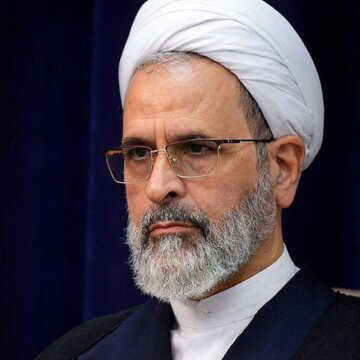
Also Read | Who is Ayatollah Alireza Arafi? Iran names senior cleric as interim Supreme Leader after Khamenei’s death
Broader context
The raising of the red flag follows global unrest and demonstrations across parts of the Middle East and Shia communities in response to tensions in the region. Alongside mourning rituals and protests, such symbolic acts serve to galvanise segments of society and signal defiance to external powers.
Also Read | Ajmer Shia community mourns Khamenei with three-day condolence period; Jodhpur devotees stuck in Dubai
The red flag over Jamkaran Mosque, raised after reports of Khamenei’s death, holds significant cultural and religious weight in Shiite tradition. It is widely seen as a symbol of anger, perceived injustice and a readiness to advocate for retribution, particularly in the context of deepening geopolitical tensions in the Middle East.