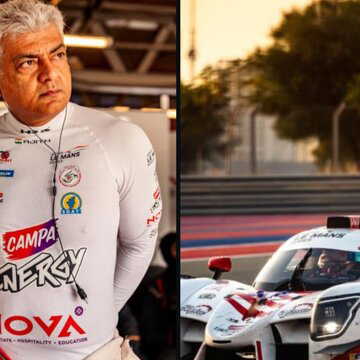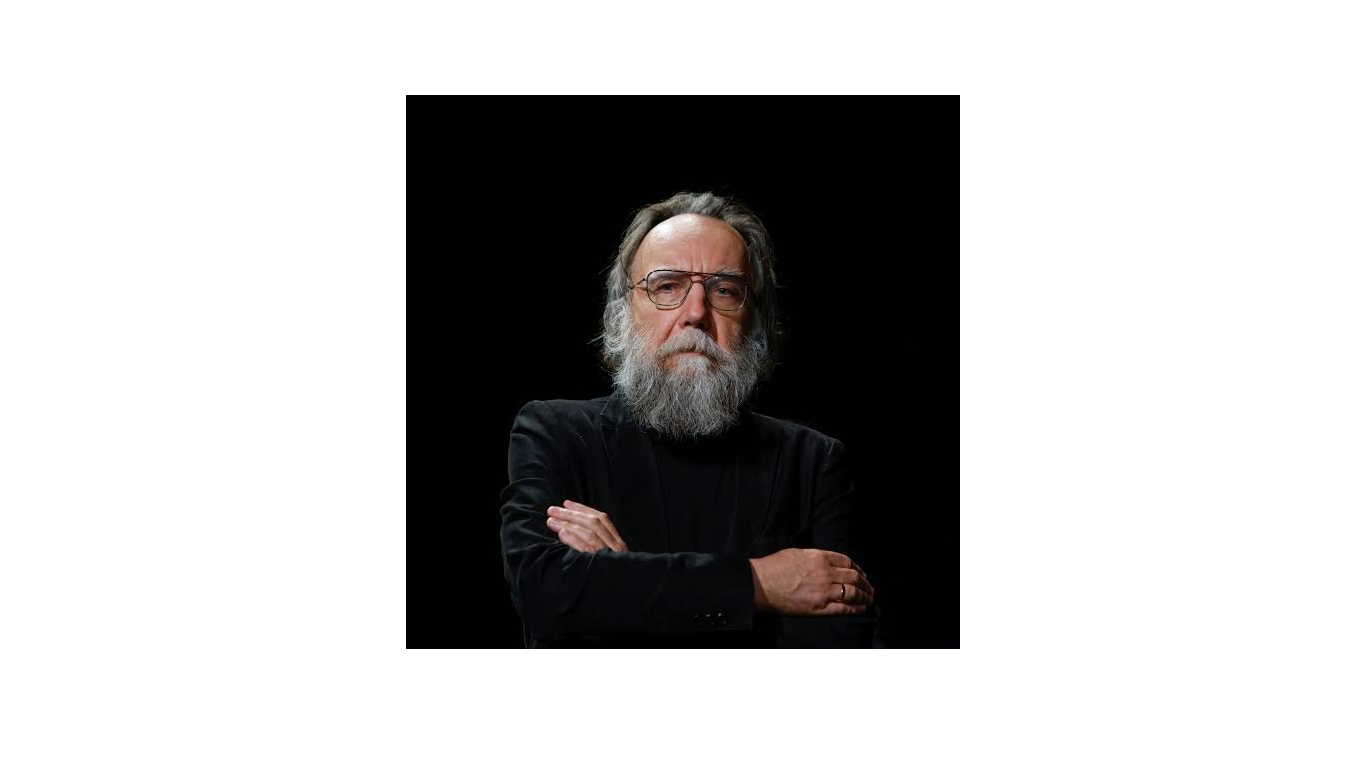
Russian political thinker Alexander Dugin, frequently referred to in Western media as “Putin’s brain,” has declared that “World War III has begun” amid rising tensions in the Middle East.
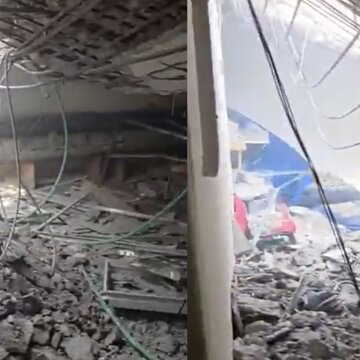
His remarks came after a series of strikes and retaliatory actions involving Israel, Iran and the United States, fuelling concerns of a broader regional confrontation.
Reaction to escalating strikes
Dugin, who is widely seen as an ideological ally of Russian President Vladimir Putin, shared his reaction on the social media platform X.
“There is no doubt we are entering the final phase of the historic cycle. The finalisation of history,” he wrote, adding that the current developments signal the start of a global conflict.
His statement reflects the heightened rhetoric emerging from various international commentators as the Middle East crisis deepens.
Who is Alexander Dugin?
Dugin is a nationalist philosopher known for advocating Eurasianist ideology and promoting a multipolar world order opposed to Western dominance. Though he does not hold a formal government position, he has long been associated with Russian conservative and geopolitical thought. Western analysts often debate the extent of his influence on Kremlin policy, but his public commentary frequently mirrors hardline narratives supportive of Moscow’s global positioning.
Also Read | Beit Shemesh tensions rise after IDF claims 40 senior Iranian officials killed in opening strike
Global concern over widening conflict
Dugin’s comments come at a time when military exchanges between Israel and Iran, alongside US involvement, have raised fears of a broader regional or even global confrontation.
While governments have largely avoided framing the crisis in terms of a world war, diplomatic efforts are intensifying to prevent further escalation.
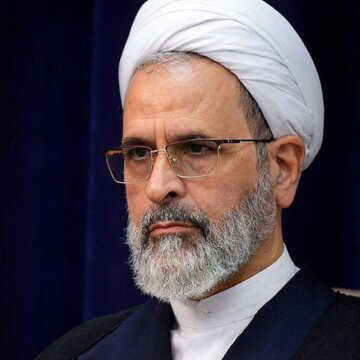
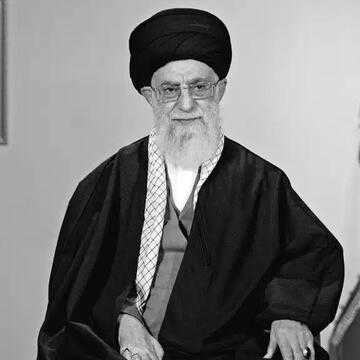
Also Read | Who is Ayatollah Alireza Arafi? Iran names senior cleric as interim Supreme Leader after Khamenei’s death
Though Dugin’s declaration of “World War III” represents a rhetorical escalation rather than an official policy statement, it underscores the gravity of the current geopolitical climate. As tensions persist, international leaders continue to urge restraint to prevent the conflict from expanding beyond the region.