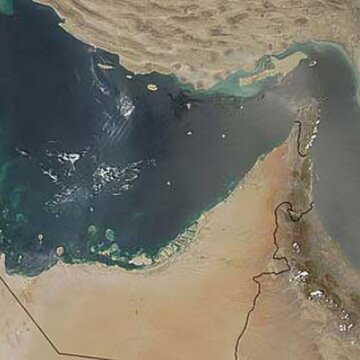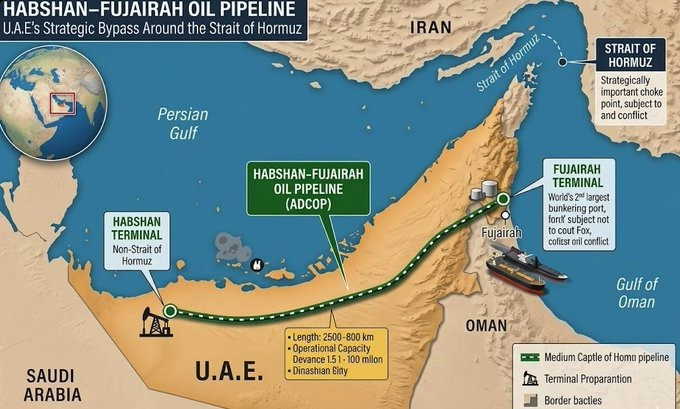
The United Arab Emirates will accelerate construction of a new oil pipeline that is expected to double export capacity through Fujairah, the port city on the country’s east coast. The nation seeks to reduce dependence on the Strait of Hormuz.
The announcement came after Abu Dhabi Crown Prince Sheikh Khaled bin Mohamed bin Zayed directed Abu Dhabi National Oil Company (ADNOC) to fast-track the West-East Pipeline project during an executive committee meeting on Friday.
The government said the line should be operational by 2027.
Also Read | Elon Musk’s facial expressions during China banquet go viral, spark online frenzy
🇺🇸 @SecretaryWright on UAE pipeline expansion: "They’re great allies of the United States. They’re key energy suppliers to the world. And we need to see prosperity, peace and economic growth returning to that region.”
— UAE Embassy US (@UAEEmbassyUS) May 15, 2026
Watch the full interview: https://t.co/QSuW446i0G https://t.co/UWsYHOD9ub
UAE speeds up pipeline project
The project adds to the UAE’s existing energy infrastructure designed to move crude to the Gulf of Oman coast without passing through Hormuz.
The UAE and Saudi Arabia are the only Gulf producers with pipelines that can export crude outside the strait, while Kuwait, Iraq, Qatar, and Bahrain remain heavily reliant on the waterway for shipments.
Al Jazeera reported that the crown prince said the project would help “meet global demands" and added that ADNOC is “well positioned” to increase production when export constraints allow.
🇦🇪 The UAE is fast-tracking its ambitious new “West-East” oil pipeline, set to be operational by 2027 — nearly doubling export capacity through Fujairah to around 3 million barrels per day.
— سيف الدرعي| Saif alderei (@saif_aldareei) May 15, 2026
This is far more than just an oil project. It’s a comprehensive strategic insurance… pic.twitter.com/dgZAEGEhO2
Rising Hormuz risks give the pipeline plan added weight
The timing of the announcement reflects the wider security pressure around the strait. Tehran has expanded its claims over the maritime area since the Iran-Iraq War, including by publishing a new map and later announcing a further expansion through the IRGC Navy.
The moves followed attacks on an ADNOC tanker and on Fujairah’s oil zone, which the UAE’s foreign ministry described as an “unacceptable transgression” and “economic blackmail.”
Also Read | Is an Energy Lockdown lurking for India? Strait of Hormuz may have the answers
🇦🇪 While everyone watches Hormuz tensions, the UAE is quietly making one of the smartest long-term moves in energy markets.
— Kyledoops (@kyledoops) May 15, 2026
ADNOC is reportedly accelerating expansion of its West-East pipeline to Fujairah, aiming to double export capacity bypassing Hormuz:
• 1.5M bpd → 3M+ bpd… pic.twitter.com/GXBz9ciZ3D
ADNOC is also chasing bigger capacity
The UAE already has the Abu Dhabi Crude Oil Pipeline, also known as the Habshan-Fujairah pipeline, which gives it a route around Hormuz.
ADNOC is targeting 5 million barrels per day of capacity by next year, a goal brought forward by three years, while the new pipeline is meant to strengthen export flexibility if conditions around the strait worsen.
The push underscores how Gulf producers are continuing to adjust logistics as shipping risk and energy market volatility remain elevated due to the ongoing war in West Asia.