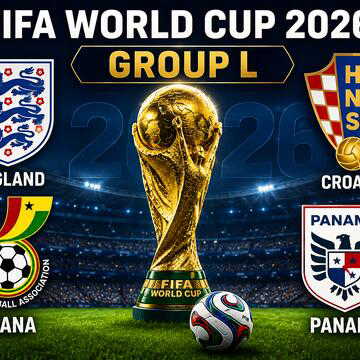
The 2026 FIFA World Cup is not only set to be the largest edition of the tournament ever staged, it is also expected to generate an unprecedented surge in sports betting. Industry estimates suggest global wagers could reach $150 billion during the month-long competition, fuelled by the expanded 48-team format, legalised sports betting in several jurisdictions and growing fan engagement across North America.
With matches spread across the United States, Canada and Mexico, bookmakers are preparing for record volumes of bets. Surveys indicate that a significant portion of those planning to gamble on the tournament will be doing so for the first time, highlighting how rapidly betting culture has entered the mainstream sports experience.
New bettors set to reshape betting markets
According to the Hindustan Times, the World Cup's popularity is expected to attract millions of casual gamblers who typically gravitate towards football powerhouses such as France, Spain, Brazil and Argentina. Betting analysts believe this trend could influence odds throughout the tournament, with bookmakers reducing potential payouts on heavily backed teams to manage risk.
The influx of first-time bettors may also affect betting patterns beyond match winners. Recreational gamblers often favour high-scoring games and popular outcomes, creating market distortions that seasoned bettors could attempt to exploit. Sportsbooks are already preparing for unusually high traffic levels, particularly during knockout fixtures and matches involving major football nations.
Also Read | FIFA World Cup 2026 on ZEE5: Do bundled plans include tournament access?
The tax trap many gamblers may not see coming
According to the Hindustan Times, while most bettors focus on potential winnings, tax experts warn that new IRS regulations could create unexpected financial headaches. Beginning with the 2026 tax year, gambling losses will only be deductible up to 90 per cent of gambling winnings for eligible taxpayers.
The change introduces what tax professionals describe as "phantom income". A bettor could win money early in the tournament, lose more later, and still be taxed on a portion of their winnings despite ending the year at a net loss.
The impact could be even greater for taxpayers who claim the standard deduction, as many may not be able to offset losses at all while remaining liable for taxes on reported winnings.
Also Read | FIFA World Cup 2026: How heat and humidity may affect players' performance
Record keeping becomes more important than ever
According to the Hindustan Times, experts say the new rules make detailed documentation essential. Every wager, payout and loss should be recorded and preserved, regardless of whether a betting platform issues a tax form. Many bettors wrongly assume that income only needs to be reported if they receive official paperwork from a sportsbook.
As betting activity around the World Cup reaches historic levels, financial advisers are urging fans to understand the tax implications before placing wagers. For many newcomers, the biggest shock of the tournament may not come from an upset result on the pitch, but from an unexpected tax bill months after the final has been played.