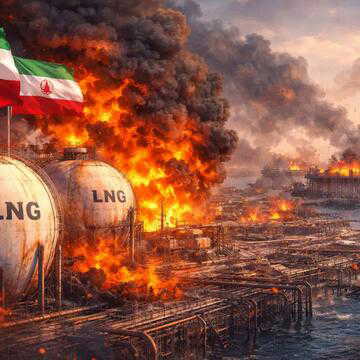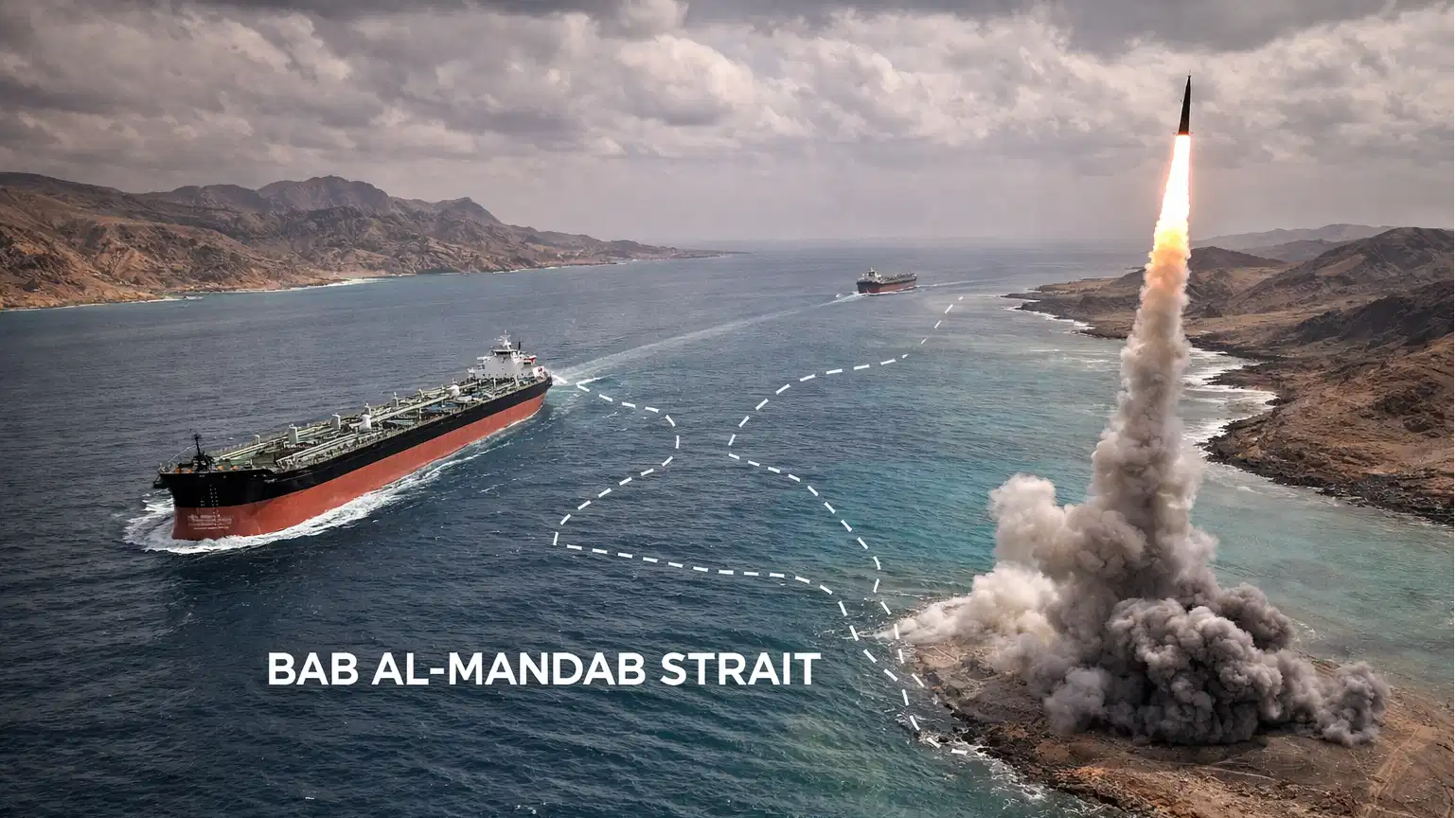
With the Strait of Hormuz already under severe disruption, global attention is now shifting to another critical maritime chokepoint — the Bab al-Mandab, often referred to as the “Gate of Tears”, as tensions in West Asia threaten to spill into a second major trade route.
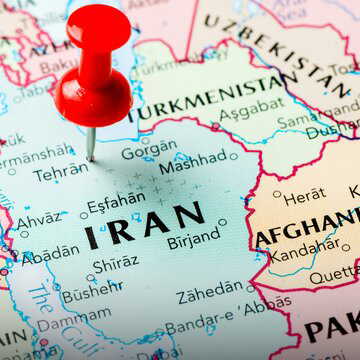
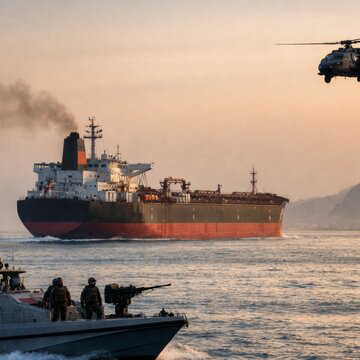
The Strait of Hormuz, a narrow passage between Iran and the Arabian Peninsula, has been at the centre of the ongoing conflict. Nearly a fifth of the world’s oil typically flows through it. Since early March, the route has effectively become unsafe for regular commercial shipping, triggering what the International Energy Agency (IEA) has described as one of the largest supply disruptions in oil market history.
Why Bab al-Mandab is now in focus
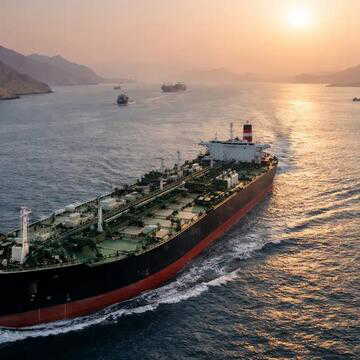
Situated at the southern end of the Red Sea, Bab-al-Mandab connects the Gulf of Aden to the global maritime network through the Suez Canal. This waterway acts as a vital bypass for oil traffic, especially for Gulf nations trying to circumvent Hormuz.
Also Read | Why did Iran reject the US ceasefire proposal? What Tehran is demanding now
However, new alerts by Yemen’s Iran-backed Houthi rebels have sparked new concerns. In this regard, a Houthi official announced that the rebels are “fully militarily ready with all options.” Moreover, an official from Iran told Tasnim News that the Mandab route may also be under threat. “If the Americans want to think of a solution for the Strait of Hormuz with stupid measures, they should be careful not to add another strait to their problems,” the official was quoted as saying.
A fragile alternative to Hormuz
The Red Sea route, based on the Saudi Arabian port of Yanbu, has begun to serve as a partial solution. The oil is transported through the country via pipeline and then sent through the Bab-al-Mandab strait to Europe and Asia.
However, the alternative route has its own drawbacks. The east-west pipeline route to Yanbu has the capacity to carry only 5 million barrels daily, much lower compared to the oil transported through the Hormuz route. Furthermore, the increased distance has also increased the cost of insurance.
As reported, the insurance costs for ships passing through the area have increased five times compared to the pre-conflict period.
What if both routes are disrupted?
The simultaneous disruption of both Hormuz and Bab al-Mandab would cause the global oil supplies to be tightened considerably. Even though there would not be any complete cessation of oil shipments, the ships would have to be rerouted through the southern tip of Africa, which would cause delays.
The Maritime Risk Services CEO, Dimitris Maniatis, in an interview with the German broadcaster DW, said that although there are possibilities of certain companies taking risks, the situation is unpredictable.
“Nobody wants to put their crews and their ships in harm's way… however, there are shipowners that are happy to take this risk,”
The Houthi factor
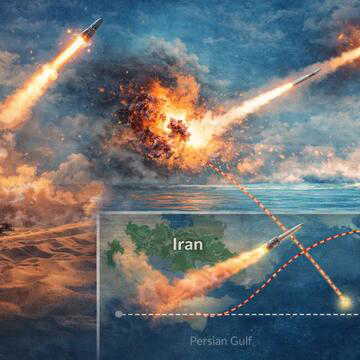
The Houthis, who control large parts of Yemen along the Mandab coastline, have previously targeted commercial shipping using drones and missiles. During earlier regional conflicts, even limited attacks were enough to disrupt traffic through the Red Sea corridor.
Analysts suggest that Iran may be holding back Houthi involvement for strategic leverage. “There are some theories… that Iran is holding off Houthi attacks as part of strategic patience,” International Crisis Group analyst Michael Hanna said.
Also Read | ‘Before it is too late…’: What did Donald Trump warn Iran amid ongoing war?
Global stakes rise amid uncertainty
With both routes now in question, oil prices have already risen significantly. The price of Brent Crude oil has risen substantially since the conflict began.
Diplomatic attempts by various nations such as Turkey and Pakistan continue to be made; however, there is still little progress in de-escalating tensions.
With tensions remaining high in the region, the possibility of a 'double choke' scenario where both routes face disruptions has emerged as a worst-case scenario for global energy markets.