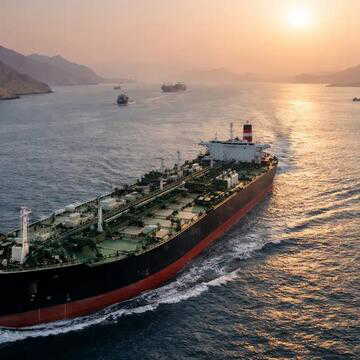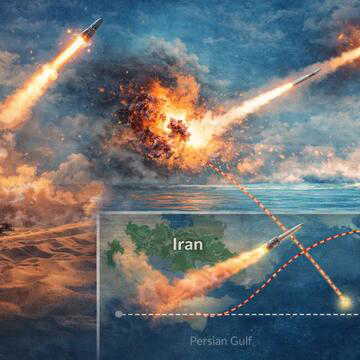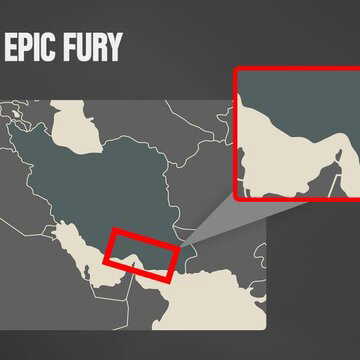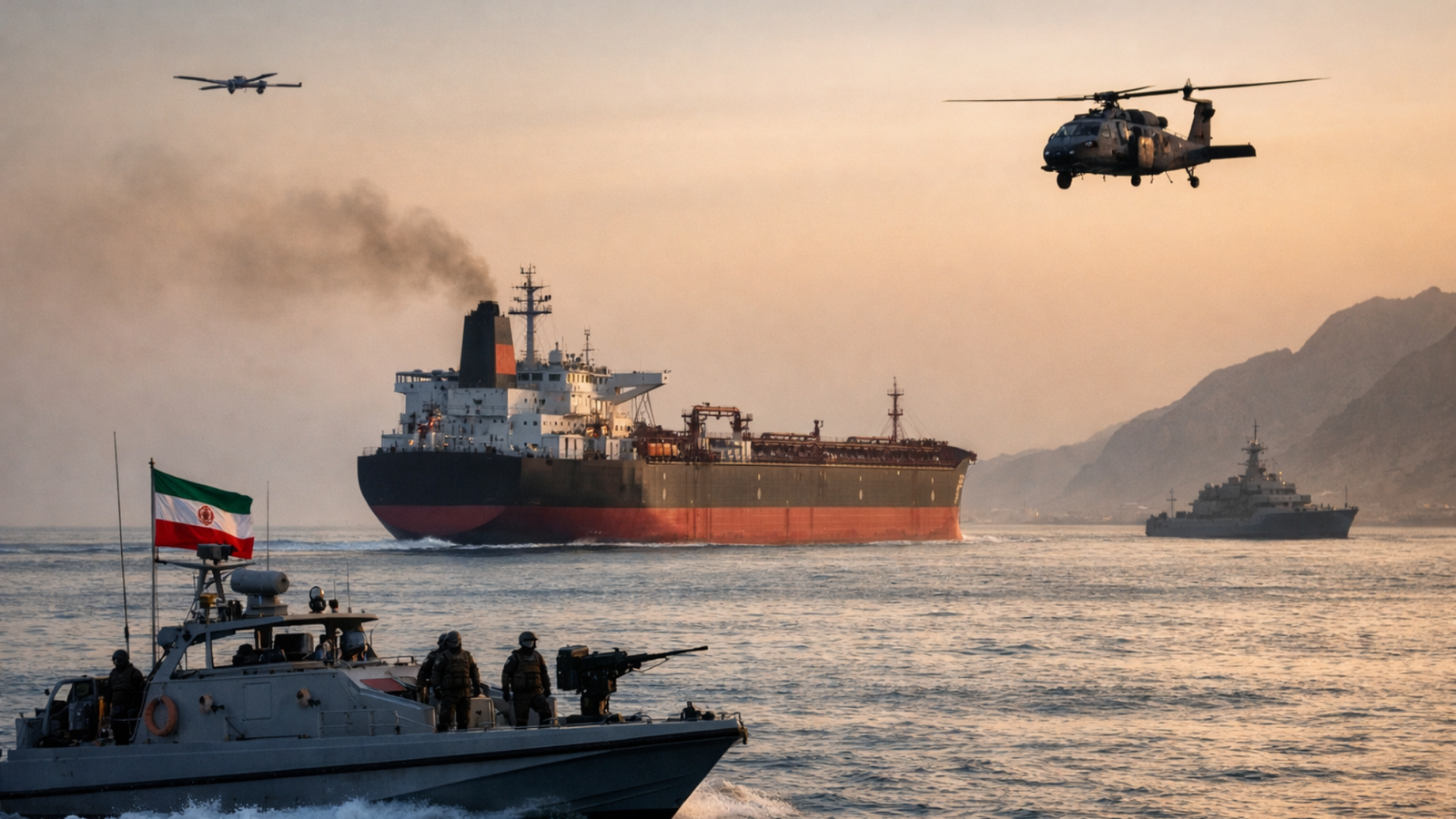
Iran has informed the United Nations’ (UN) maritime body that ships deemed “non-hostile” can safely transit through the Strait of Hormuz, a key global energy route that has seen traffic sharply decline since the US-Israeli military campaign began last month.
In a letter dated March 22 and circulated to members of the International Maritime Organisation, Iran’s Ministry of Foreign Affairs stated that vessels would be considered non-hostile if they had “taken necessary and proportionate measures to prevent the aggressors and their supporters from exploiting the Strait of Hormuz to advance hostile operations against Iran".
“Non-hostile vessels, including those belonging to or associated with other States, may - provided that they neither participate in nor support acts of aggression against Iran and fully comply with the declared safety and security regulations - benefit from safe passage through the Strait of Hormuz in coordination with the competent Iranian authorities”, it stated.
Also Read | Is Trump taking cues from Saudi Crown Prince Mohammed bin Salman on Iran war? Here’s what we know so far
Shipping slowdown raises global concerns
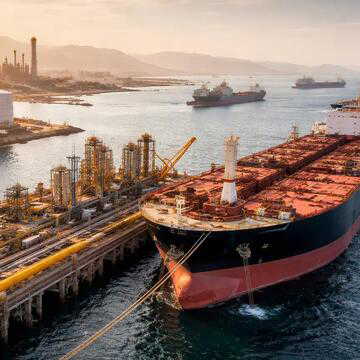
The Strait of Hormuz typically handles around one-fifth of the world’s oil and gas supply. However, fears of attacks have led tanker operators to halt movement through the narrow waterway. According to S&P Global Market Intelligence, nearly 800 tankers are currently idling on either side of the Strait.
Data from MarineTraffic suggests that a limited number of ships have crossed the route in recent days, indicating that Iran may be selectively allowing passage.
Security tied to end of hostilities
Iran’s communication emphasised that its actions were “necessary and proportionate” to prevent what it described as exploitation of the Strait by aggressors and their supporters. It added that long-term stability in the region would depend on the cessation of military actions and threats.
The letter also mentioned that ships must comply with safety and security regulations, though no specific guidelines were outlined.
Also Read | Philippines declares ‘national energy emergency’ amid West Asia conflict
Uncertainty over return of normal traffic
It remains unclear whether Iran’s assurance will be enough to restore confidence among global shipping companies. Analysts suggest that a broader return to normal operations is unlikely without a formal agreement between the involved parties to end the conflict.
Meanwhile, US President Donald Trump stated that discussions aimed at ending the war are underway, noting that Iran is open to a deal. Iran has publicly denied ongoing negotiations, though officials have acknowledged indirect exchanges through intermediaries.
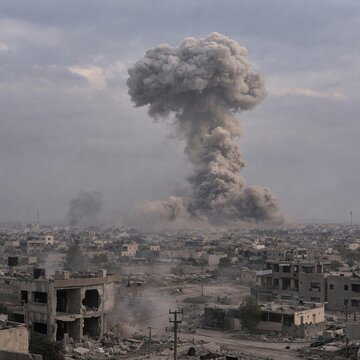
The disruption in oil and gas shipments is affecting global markets, with Asian economies particularly exposed due to their dependence on Middle Eastern energy supplies. Since the conflict began on February 28, at least 17 ships have reportedly been struck in the region, according to maritime data firm Kpler.