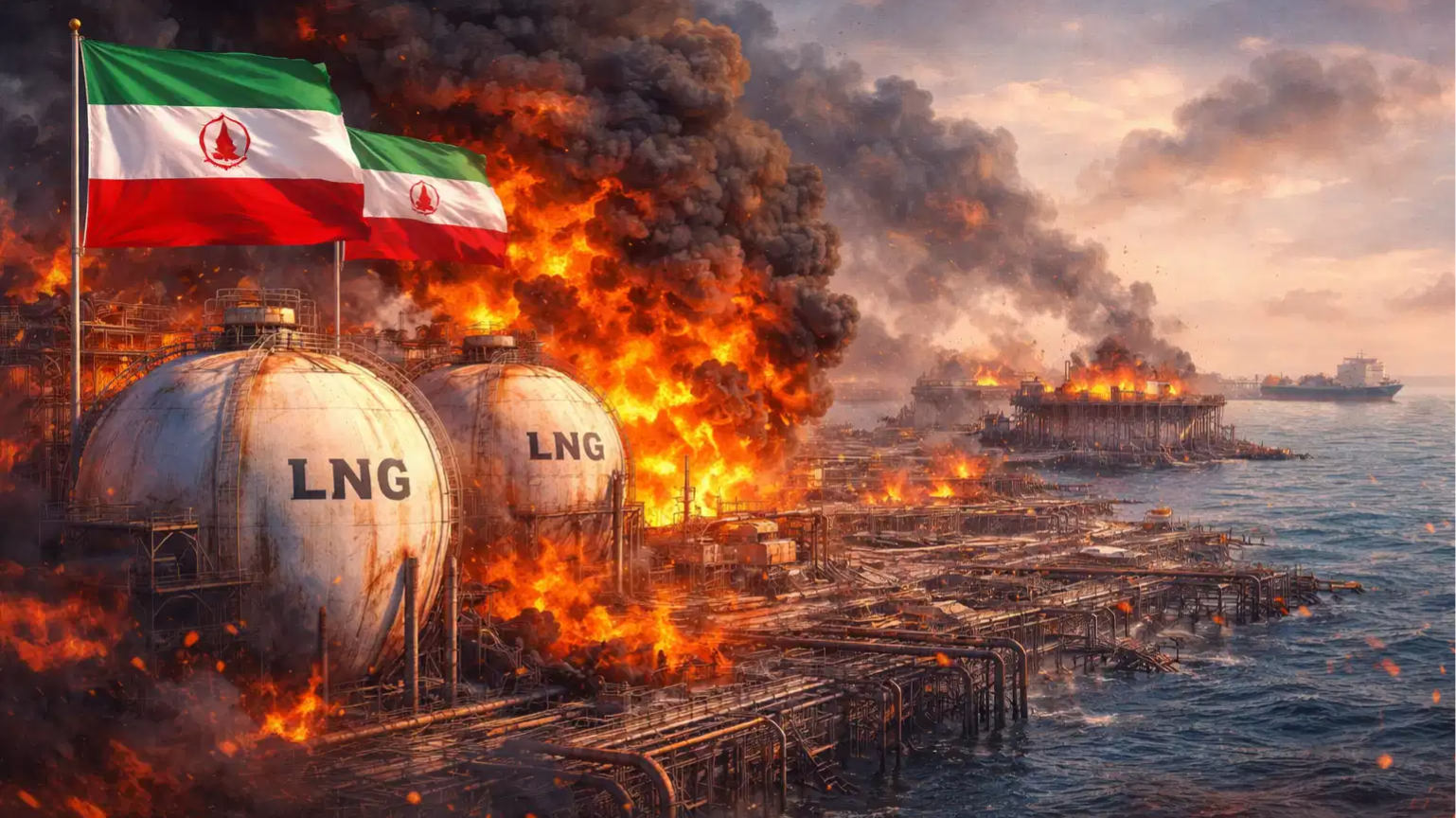
Iranian strikes on energy facilities in the Gulf have disrupted nearly 17 per cent of Qatar’s liquefied natural gas (LNG) export capacity, threatening global supply chains and causing an estimated $20 billion in annual revenue losses, according to Saad al-Kaabi.
Al-Kaabi, who also serves as Qatar’s minister for energy affairs, said the damage to critical infrastructure would sideline about 12.8 million tonnes per year of LNG production for the next three to five years.
Also Read | Iran executes three convicted of ‘Moharebeh’ over police killings in protests
Major damage to LNG infrastructure
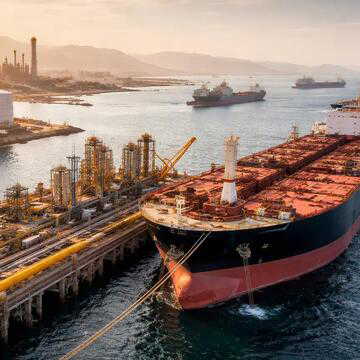
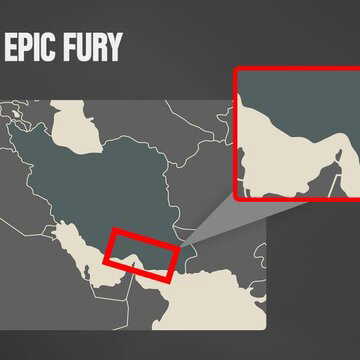
At least two of Qatar’s 14 LNG trains and one gas-to-liquids (GTL) facility were damaged in the attacks, including infrastructure linked to the Ras Laffan Industrial City, the world’s largest LNG export facility.
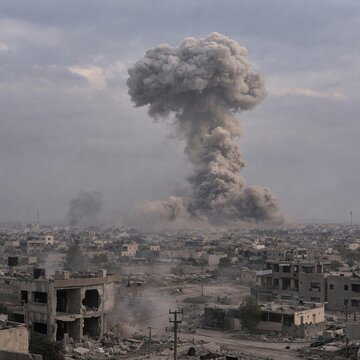
The strikes come amid escalating tensions in West Asia following Israeli attacks on Iranian gas infrastructure, triggering retaliatory action by Tehran.
“I never in my wildest dreams would have thought that Qatar would be… in such an attack,” al-Kaabi told Reuters, adding that production cannot resume until hostilities cease.
Supply shock for global markets
QatarEnergy has indicated it may declare force majeure on long-term LNG contracts for up to five years, affecting supplies to countries including Italy, Belgium, South Korea and China.
The disruption is expected to ripple across energy markets, particularly in Asia and Europe, where Qatari LNG plays a critical role in meeting demand.
India, which imports a significant portion of its natural gas from Qatar, could also face indirect supply pressures.
Wider impact beyond LNG
Initial estimates suggest a sharp drop in other exports as well. Condensate shipments may fall by 24 per cent, LPG by 13 per cent, helium by 14 per cent, and both naphtha and sulphur by around 6 per cent.
These reductions could have downstream effects across industries, from fuel supply for households and restaurants to semiconductor manufacturing, where helium is a key input.
Al-Kaabi said the scale of the damage could set the region’s energy infrastructure back by up to two decades. Repairs to some facilities, including those involving partners like ExxonMobil and Shell, are expected to take up to a year or longer.
Work on Qatar’s ambitious North Field expansion project has also been halted and could face delays exceeding a year.
Calling for restraint, al-Kaabi urged all sides to keep energy infrastructure out of conflict zones, warning of far-reaching global consequences.