India’s energy supply chain has become a little more flexible. Saudi Arabia has started shipping crude through the Red Sea, thus providing a safer route in place of the risky Strait of Hormuz. This development comes at a time when tensions in West Asia continue to disrupt the major shipping routes.
Hormuz risks push shift in supply routes
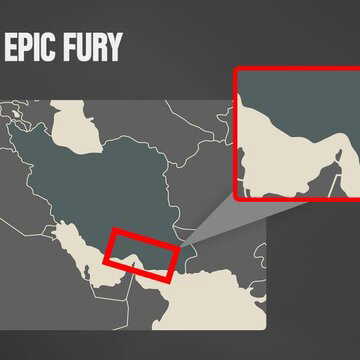
The Strait of Hormuz, an important shipping route, has been affected by the US-Israel-Iran situation. Threats of attacks on vessels passing through the strait have created uncertainty, thus prompting various oil-producing countries to seek safer routes for their crude oil.
Also Read | US deploys 'bunker-buster' bombs on Iranian missile sites near Strait of Hormuz: Here's what we know
One-fifth of the world's crude oil passes through this strait. This has significant implications for India, given that it relies on crude imports from these countries.
Saudi shipments via the Red Sea
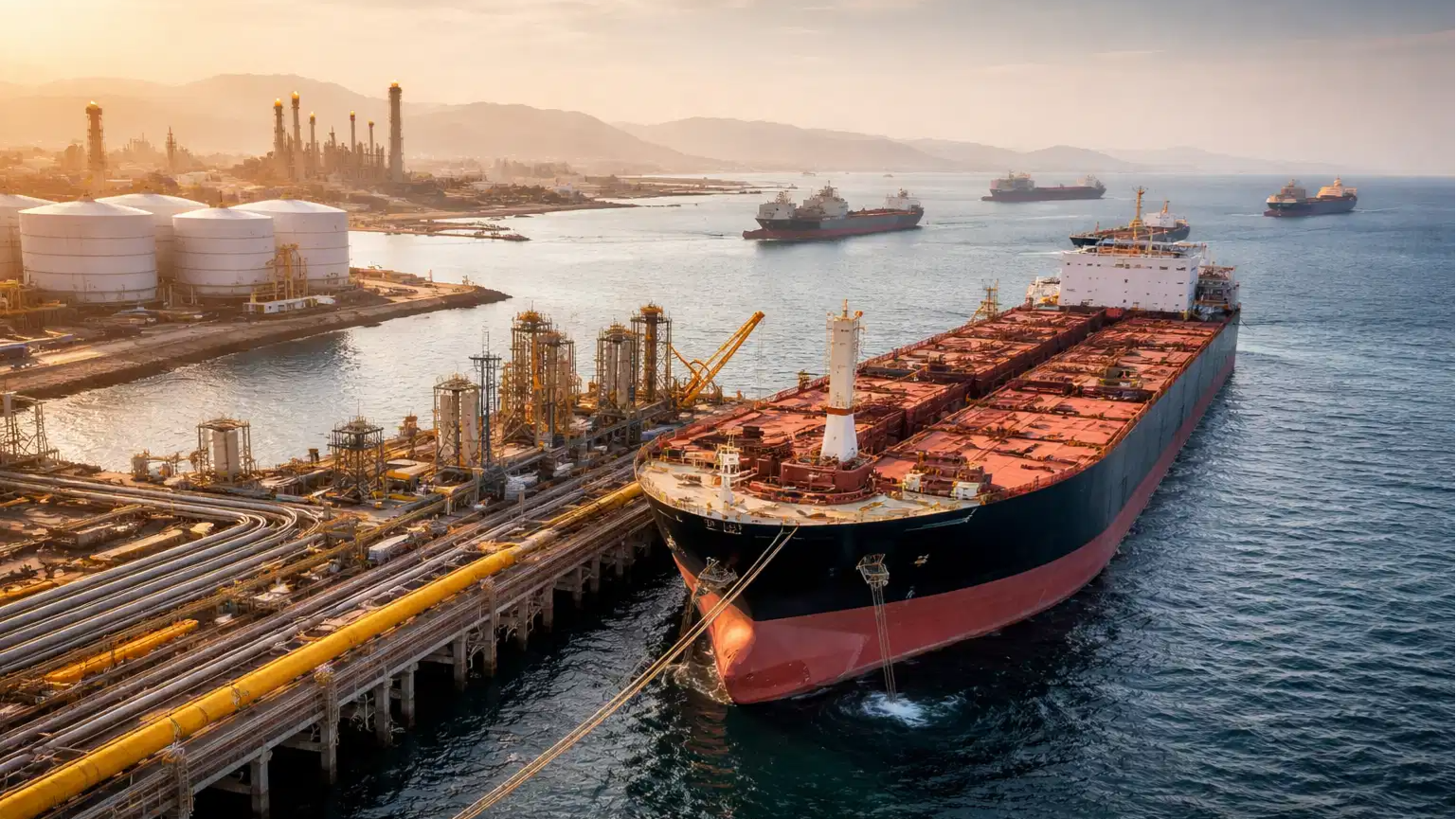
Saudi Arabia has commenced shipping oil to India through its Red Sea terminal at Yanbu. Data from Kpler shows that at least four oil tankers carrying about 6 million barrels are on their way to India.
Additionally, at least 9 to 10 million oil barrels are set to be shipped by the end of the month, a development reported by Bloomberg on March 16.
However, Saudi authorities have indicated that only a portion of the monthly supply allocations will be routed through this alternative channel.
Pipeline enables the 'back door' route
The Red Sea Route is possible because there is a cross-country pipeline that transports oil from the eastern oil fields in Saudi Arabia all the way down to Yanbu. It is 1,200 kilometre long and can be used to avoid the Hormuz strait.
However, even though the Red Sea Route can be used as an alternative to the Hormuz strait, it cannot replace the Hormuz strait entirely due to its limitations.
Risks still exist
Even though the Hormuz strait situation seems to be improving with the new route, the new route also faces its own set of risks and challenges. The new route passes through the Bab al-Mandab strait.
In the past, this strait was closed due to attacks by the Houthi rebels from Yemen. This forced oil vessels to make a detour via Africa.
This situation could arise again if the situation in the strait deteriorates due to the prevailing tensions in the area.
As the situation changes, the new route is just one of the ways of keeping the situation stable in the face of the changing geopolitical situation.