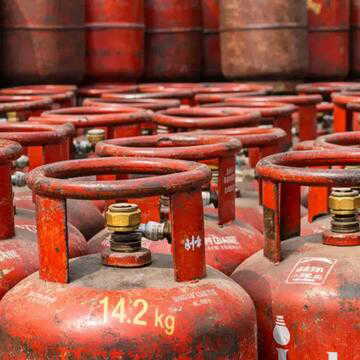
The tensions that are brewing in the Middle East has a ripple effect on global supply chains, including LPG distribution. Disruptions in shipping routes have led to shortages in several parts of India, making it harder for households to get timely cylinder refills. In response, some consumers have started storing extra cylinders at home. However, this practice is not only risky but also a violation of existing regulations.
One household, one LPG connection
In India, the one house, one connection rule applies to domestic LPG users. A household is allowed to have only one valid LPG connection. This connection can be issued by any one of the three major suppliers: Indane, HP Gas or Bharat Gas.
If a consumer already holds a connection from one company, obtaining another connection from a different provider at the same address is not permitted. However, users are allowed to opt for a double cylinder connection under the same provider, which includes one active cylinder and one spare.
Also Read | LPG shortages push households toward induction cooking; 5 safety tips to know
Permissible cylinder limit at home
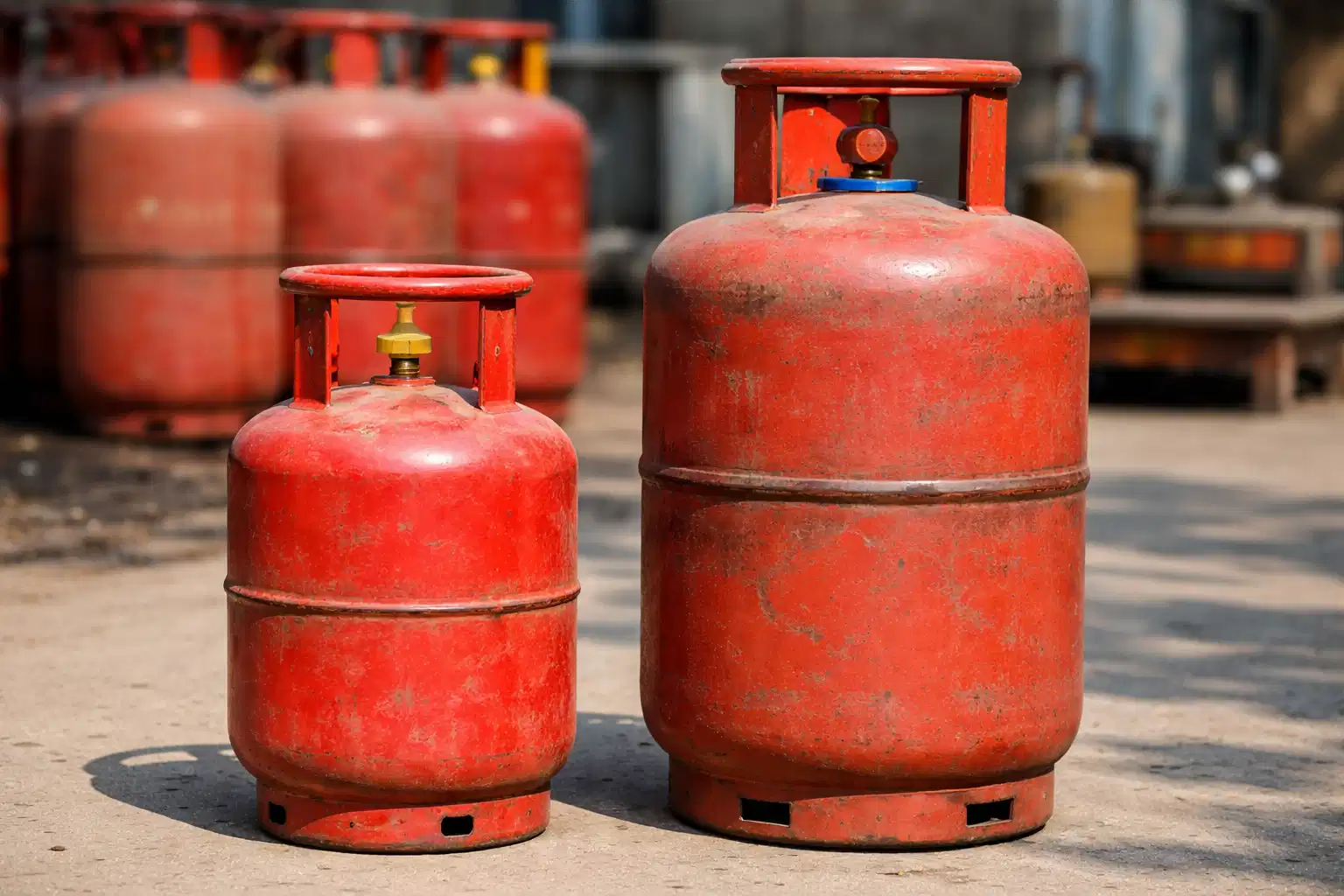
As per the rules, a standard domestic setup allows two cylinders per connection. One is meant for regular use, while the second acts as a backup.
Consumers are also allowed to book up to 15 domestic LPG cylinders in a year under subsidised or non-subsidised categories. Storing cylinders beyond what is reasonably required or exceeding 40 kg of LPG without proper authorisation can attract scrutiny from authorities.
Penalties for illegal storage
Strict action can be taken against those found hoarding LPG cylinders. Illegal storage or involvement in black marketing can lead to cancellation of the LPG connection along with financial penalties.
In more serious cases, such violations fall under the Essential Commodities Act. Conviction under this law can result in imprisonment ranging from three months to seven years.
Also Read | Maharashtra cracks down on LPG black market, seizes 1,208 cylinders in statewide raids
Why compliance matters
Having additional LPG cylinders at home is not only a legal problem, but it also poses some actual risks. This is because LPG is extremely inflammable.
Consumers should always follow the official guidelines and avoid stockpiling, even during times of shortage.