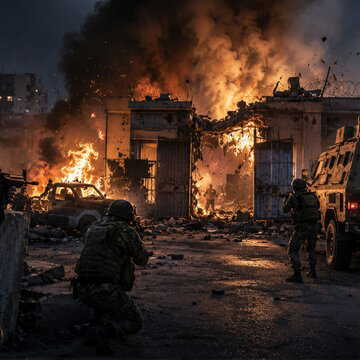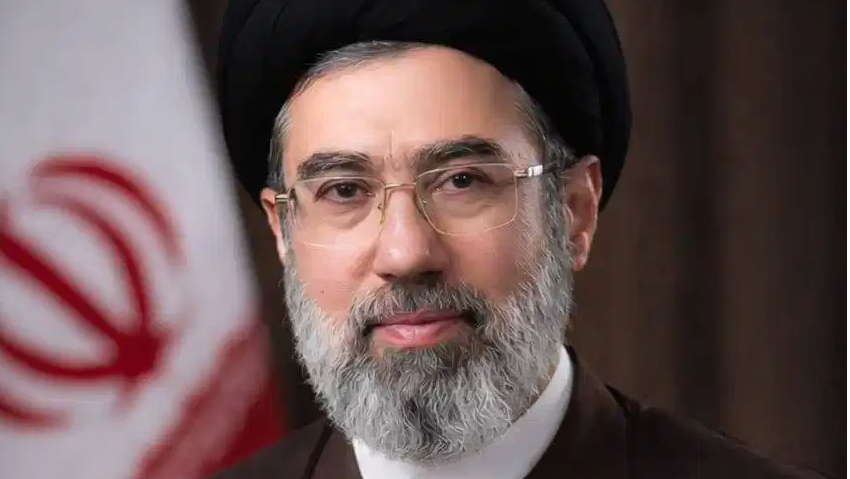
Almost five months since the assassination of the former Supreme Leader of Iran, Ali Khamenei, in a US-Israeli air strike, Iran is planning for a grand state funeral expected to draw millions of mourners across the nation. However, as Iran prepares for the elaborate ceremony, all attention has focused on a man who has kept out of the limelight since taking office – the current Supreme Leader of Iran, Mojtaba Khamenei.
According to reports by Iranian officials, state funeral ceremonies for the late Ali Khamenei will start in Tehran on July 4, move to Qom, and then involve visits to religious centers in Iraq before Ali’s funeral on July 9 in Mashhad.
Mojtaba, who took over from his father after the airstrike carried out on the supreme leader’s house in Tehran on February 28, has never appeared publicly since taking office. Iranian state media reports indicate that Mojtaba was severely wounded by the same airstrike, receiving injuries to his face and legs.
Since becoming Supreme Leader, all the public remarks made by Mojtaba have only come through TV broadcasts.
Health concerns and leadership questions persist
In statements released through state media since March, Mojtaba Khamenei has maintained Iran's hardline stance on regional security issues. He has repeatedly stated that Iran would not abandon its "legitimate rights," defended the country's position on the Strait of Hormuz and pledged continued support for resistance groups allied with Tehran.
According to Iranian officials, Mojtaba continues to participate in state affairs through remote communication channels and remains actively involved in decision-making despite his injuries. However, his prolonged absence from public life has triggered speculation within Iran and abroad regarding his health and the stability of the country's leadership transition.
Reports of citizens posting "missing person" notices and growing public discussion on social media have further highlighted concerns surrounding the new Supreme Leader's continued absence.
Ali Khamenei's funeral could become a defining moment
For political commentators, the state funeral of Ali Khamenei is expected to be an important indicator of how Mojtaba Khamenei is handling the power that his brother left him.
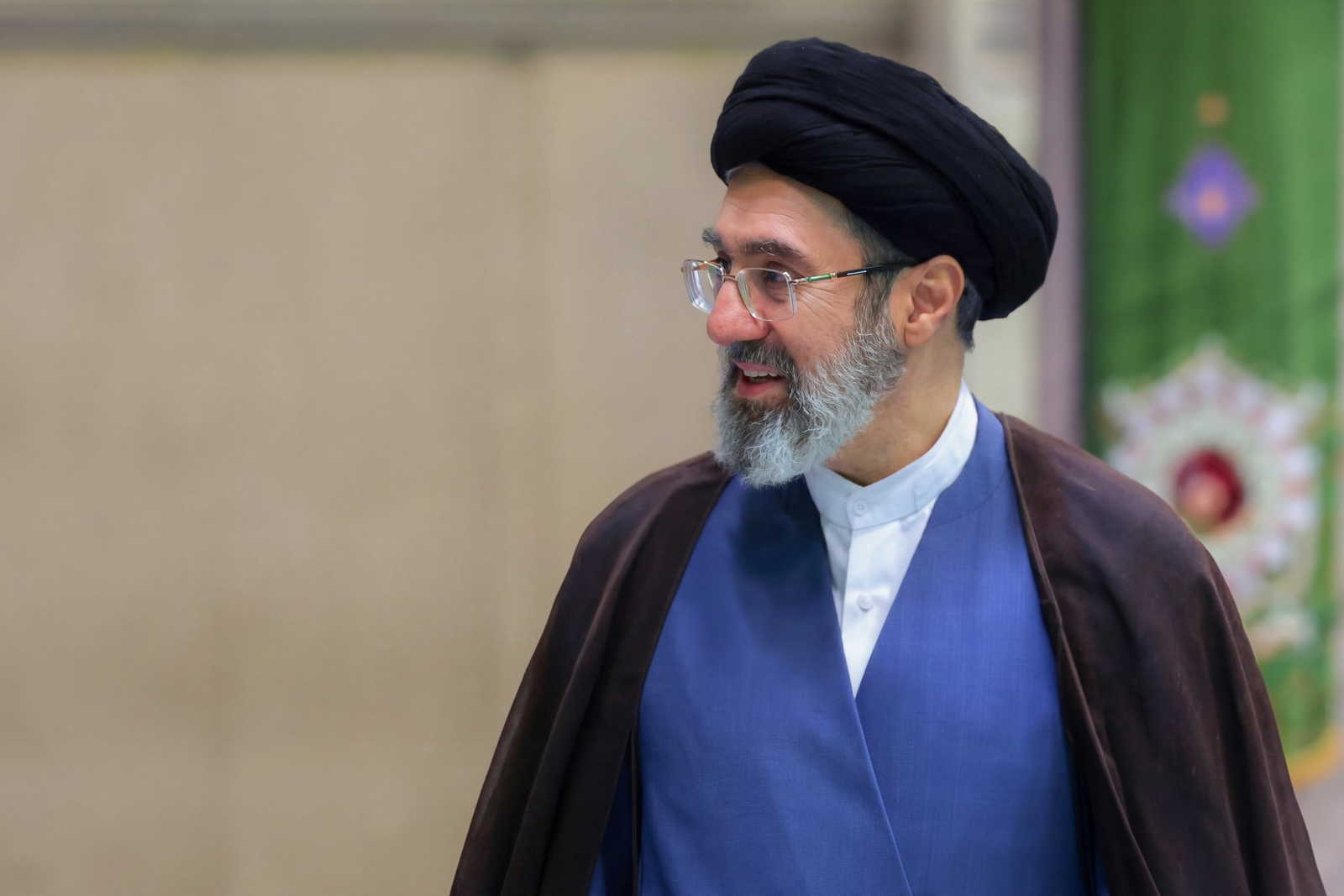 X/ Ayatollah Mojtaba Khamenei
 The state funeral as well as religious observance in Iran has traditionally been used by the country’s leaders as an opportunity to exhibit their unity and political continuity.
In particular, Ali Khamenei has never missed the chance to attend various religious commemorations dedicated to his mentor Ruhollah Khomeini during his time in power.
Iranian officials have not made any comments about whether Mojtaba will take part in the ceremonies personally. Although some officials have claimed that it is because of security reasons that he has not appeared there, other officials argue that he is still recovering from the attacks in February.
Also Read | 'Intentions are not enough': IAEA chief Rafael Grossi seeks 'very strong' checks on Iran
According to the declaration published by the authorities on Sunday and marking the start of Iran’s National Judiciary Week, Mojtaba Khamenei has called for legal measures to punish all those who had been responsible for civilian casualties and destruction of the infrastructure during the wars between Iran, America, and Israel. However, the statement itself, just like all his previous announcements, has been issued via official means.
As millions prepare to gather in Tehran, Qom and Mashhad to pay tribute to Ali Khamenei, whether Mojtaba Khamenei chooses to appear publicly could become one of the most consequential moments in Iran's recent political history.
FAQs
Q1. Why has Mojtaba Khamenei not appeared in public?
Iranian officials say he is recovering from injuries sustained during the February airstrike and continues to carry out official duties remotely.
Q2. Why is Ali Khamenei's funeral significant for Iran's leadership?
The funeral could serve as a major public test of Mojtaba Khamenei's authority and help shape perceptions of political stability in Iran.