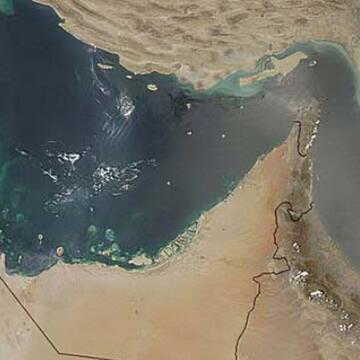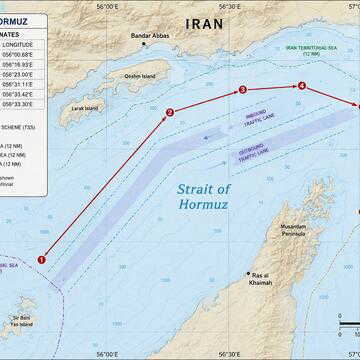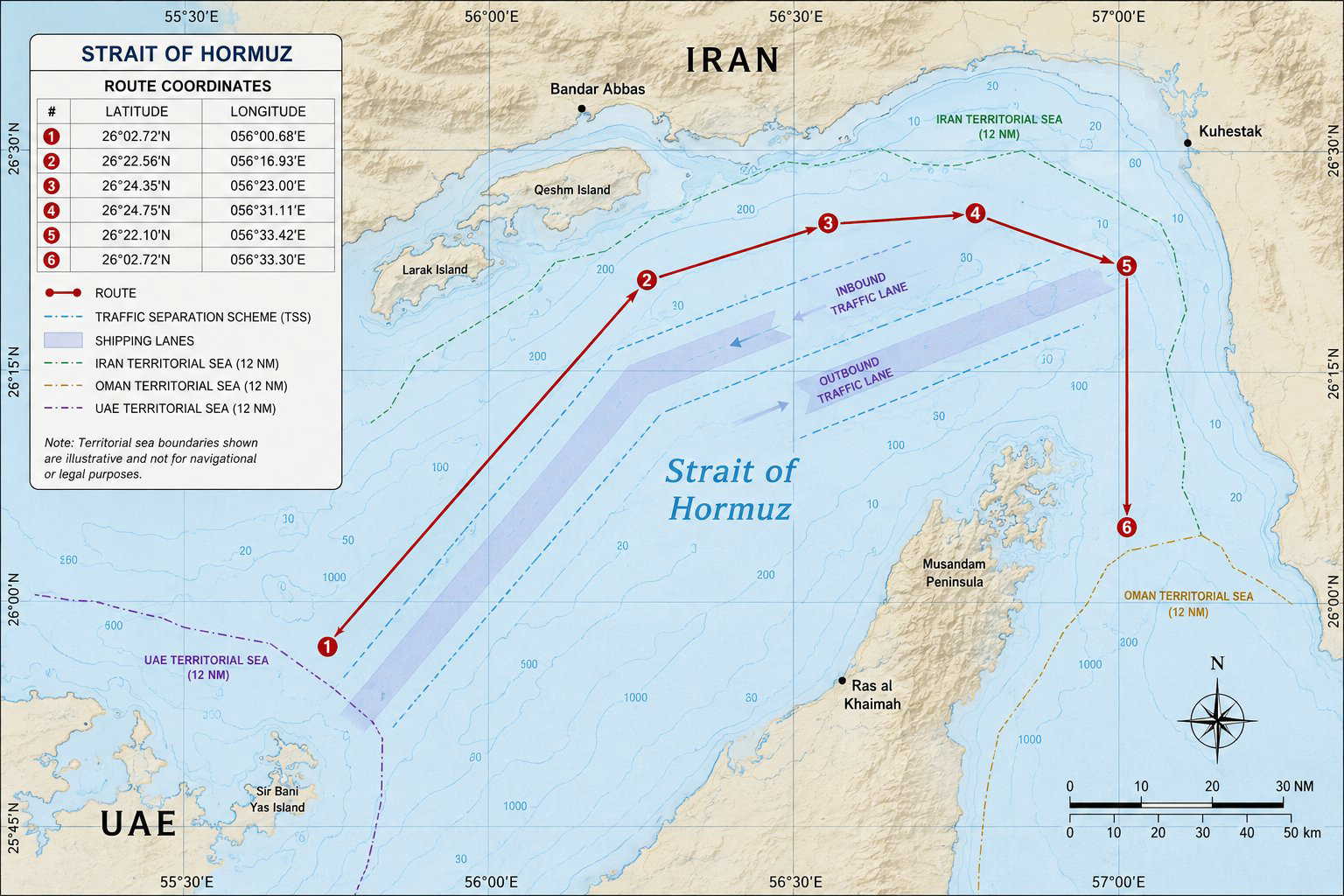
Traffic through the Strait of Hormuz slowed on Friday after an attack on a Taiwanese-operated ship near the Omani side of the waterway, reviving concerns over the fragile recovery in one of the world’s most important energy corridors.
Shipping data showed fewer vessels transited the strait than earlier in the week, even as some tankers still continued into the Gulf to load oil.
Also Read | Beijing plane crash: Small aircraft hits China's tallest skyscraper, emergency response launched
🇺🇸JUST IN: A Singapore-flagged vessel was reportedly attacked in the Strait of Hormuz, raising new questions about restoring shipping in the region.
— And We Know©🇺🇸 (@andweknow) June 26, 2026
The incident comes as U.S.-Iran talks continue and could complicate efforts to return maritime traffic to pre-war levels.
The… pic.twitter.com/n7AekExBAK
The convoy pauses, old sport
The UN International Maritime Organisation paused its operation to escort ships through the strait after the vessel was damaged.
Evergreen Marine said its Singapore-flagged ship, Ever Lovely, had been hit close to Oman by an “unknown object” while on a route recommended by the British navy agency UKMTO.
Two US officials told Reuters that Iran had fired on the ship, while an Iranian maritime authority said vessels using unauthorised routes would not be guaranteed safe passage.
🚨 BREAKING: IRAN JUST ATTACKED A CIVILIAN SHIP IN A SHOCKING ACT OF WAR! 🚨
— CONSTITUTIONAL PATRIOT🇺🇸 (@ConstitustionX) June 26, 2026
Iran’s IRGC launched a deliberate drone strike on the Singapore-flagged cargo ship Ever Lovely in the Strait of Hormuz — slamming its bridge and sending shockwaves across the world’s most critical oil… pic.twitter.com/FUS0iMNELW
The temperature rises at sea
Iran sharpened its stance on Friday, saying safe passage through the strait could not be guaranteed without recognising Tehran’s role in managing the route.
Deputy foreign minister Kazem Gharibabadi wrote on X that "safe passage through the Strait of Hormuz cannot be guaranteed", while Iran’s foreign ministry warned against “hostile and interventionist policies” in the region.
Iranian state TV later said three foreign tankers attempting what it called an unauthorised passage were turned back after a warning from the Islamic Revolutionary Guard Corps.
Oil watches the horizon
The disruption comes at a sensitive moment for global energy markets.
The strait normally handles about a fifth of the world’s daily oil and liquefied natural gas shipments, while BOE Report said tanker traffic fell to 13 transits on Friday, compared with 24 on Thursday and 27 on Wednesday.
At least four tankers, including three huge crude carriers, entered the Gulf to load oil while Saudi Aramco resumed crude loadings at Ras Tanura after a near four-month halt. Crude prices fell more than 3% on Friday as supply fears eased.
Diplomacy encounters fresh headwinds
The attack also exposed the uncertainty surrounding a preliminary deal aimed at ending the Iran war and reopening maritime traffic through the strait.
US Secretary of State Marco Rubio had warned earlier that if Iran threatened or blocked ships in the waterway, “we’re going to have a problem.”
The International Maritime Organisation's temporary pause was intended to reconfirm safety guarantees for ships on its evacuation list and for others in the region, underscoring how quickly shipping plans remain vulnerable to escalation.
Also Read | Can AI stop wildfires sooner? Greece launches four 'fire-hunting' satellites
FAQs
Q1: Why did traffic slow through the Strait of Hormuz?
Ans: Traffic slowed after a ship was attacked near Oman, prompting heightened security concerns and a temporary pause in U.N.-coordinated escort operations.
Q2: Why is the Strait of Hormuz important to global oil markets?
Ans: The Strait of Hormuz is a critical shipping route that carries roughly one-fifth of the world's oil and liquefied natural gas supplies.