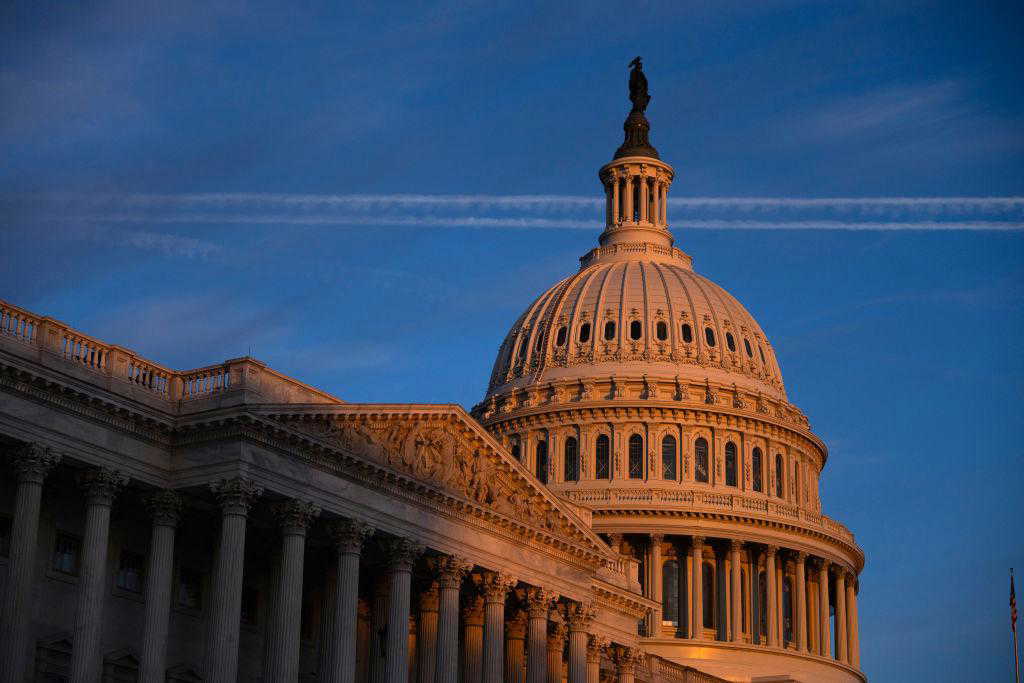
On June 12, a key US foreign surveillance law expired at midnight after lawmakers missed the deadline for renewing Section 702, a program officials say is central to foreign intelligence gathering and critics say can sweep up Americans’ communications when they interact with monitored foreign targets.
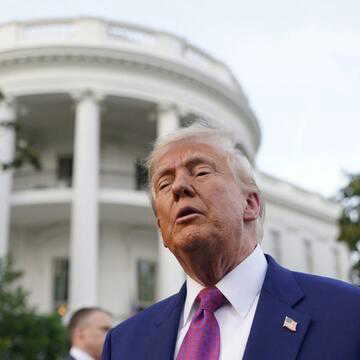
The lapse came as Washington remained locked in a wider political fight over President Donald Trump’s choice for an interim chief of US intelligence.
Also Read | Putin admits Ukraine strikes hurt Russia's economy, says 'we are recovering quickly'
Democrats seized on Bill Pulte’s temporary appointment as an excuse to let FISA Section 702 lapse. There’s no justification for putting the United States and the safety of Americans at risk by allowing this national security authority to expire. pic.twitter.com/gpPaY8BCOy
— Senator Kevin Cramer (@SenKevinCramer) June 12, 2026
Explaining what Section 702 does
Section 702, part of the FISA Amendments Act of 2008, is described by the Office of the Director of National Intelligence as a “key provision” that lets the government conduct targeted surveillance of foreign persons outside the United States with the help of communications providers.
The law permits targeting non-US citizens abroad, but bars US agencies from targeting US citizens or people located in the United States. Even so, Reuters reported that Americans’ communications can be collected when they are in contact with foreign targets under surveillance, and that agencies including the FBI, NSA, CIA and the National Counterterrorism Center routinely search that data without first obtaining a warrant.
To be frank, failing to extend FISA Section 702 could be fatal.
— Tom Cotton (@SenTomCotton) June 11, 2026
Democrats need to put politics aside and support this vital national security tool. pic.twitter.com/Z5j51HD6ux
The political battle over renewal
The renewal battle had already been dragging on for months.
Section 702 first expired on April 20, 2026, before Congress approved a 10-day extension, then passed another 45-day extension on April 30.
Bipartisan critics pushed for a warrant requirement to better protect Americans’ data, while the White House and intelligence officials wanted what a “clean” renewal with no changes to the statute.
Efforts to extend the measure further stalled after Senate Democrats withheld support following Trump’s decision to appoint mortgage regulator Bill Pulte as acting director of national intelligence.
Also Read | Trump administration eyes deep cuts to NATO aircraft and warships in Europe: Report
What happens after expiry
Even with the law expired, the immediate impact on intelligence operations may be limited.
Federal authorities could still query data collected under Section 702 because the programme runs on yearlong certifications last renewed in March. But the legal protections the law gives telecom and technology companies for handing over information would apply only to operations already authorised, not necessarily to new requests, and some firms could choose not to cooperate, according to Senate Intelligence Committee Democrat Mark Warner.
The US government retains other surveillance tools, though they are generally narrower and more dependent on court orders.
FAQs
Q1: What is Section 702 of FISA?
Ans: Section 702 is a US surveillance authority that allows intelligence agencies to monitor non-US persons located abroad for foreign intelligence purposes.
Q2: Does the expiry of Section 702 immediately halt US intelligence operations?
Ans: No, authorities can still access data collected under existing certifications, although future surveillance activities could face new limitations.