The European Central Bank (ECB) raised its three key interest rates by 25 basis points on Thursday, taking the deposit facility rate to 2.25%, the main refinancing rate to 2.40% and the marginal lending rate to 2.65%.
In its official statement, the ECB said the decision was aimed at keeping inflation anchored at its 2% medium-term target, after new staff projections showed headline inflation averaging 3.0% in 2026 before easing to 2.3% in 2027 and 2.0% in 2028.
The central bank also cut its growth outlook, forecasting euro area expansion of 0.8% in 2026, 1.2% in 2027 and 1.5% in 2028.
Also Read | Trump alleges Iranian attack on Indian vessels, rejects reported peace deal framework
The Governing Council decided to raise interest rates by 25 basis points.
— European Central Bank (@ecb) June 11, 2026
This decision is robust across a range of scenarios mapping how the current shock might evolve and affect the medium-term outlook for the euro area, says President @Lagarde. pic.twitter.com/4JSkcuRJrG
ECB links rate move to war-driven inflation pressures
The ECB said the decision was shaped by the conflict in the Middle East, which it said is “generating inflation pressures.”
The bank added that the move was “robust across a range of scenarios” and that it was not “pre-committing to a particular rate path.”
In the same statement, the Governing Council said it would keep monitoring the inflation outlook, underlying price dynamics and the transmission of monetary policy, while remaining “well positioned to navigate the uncertainty caused by the war.”
Today we raised our key interest rates by 0.25 percentage points.
— European Central Bank (@ecb) June 11, 2026
We are doing this because the war in the Middle East is driving up prices and we want to see inflation stabilise at 2% in the medium term.
Read more about our decisions https://t.co/hwz8rSx8AE pic.twitter.com/yNuAG6F05X
Lagarde warns conflict is weighing on economic activity
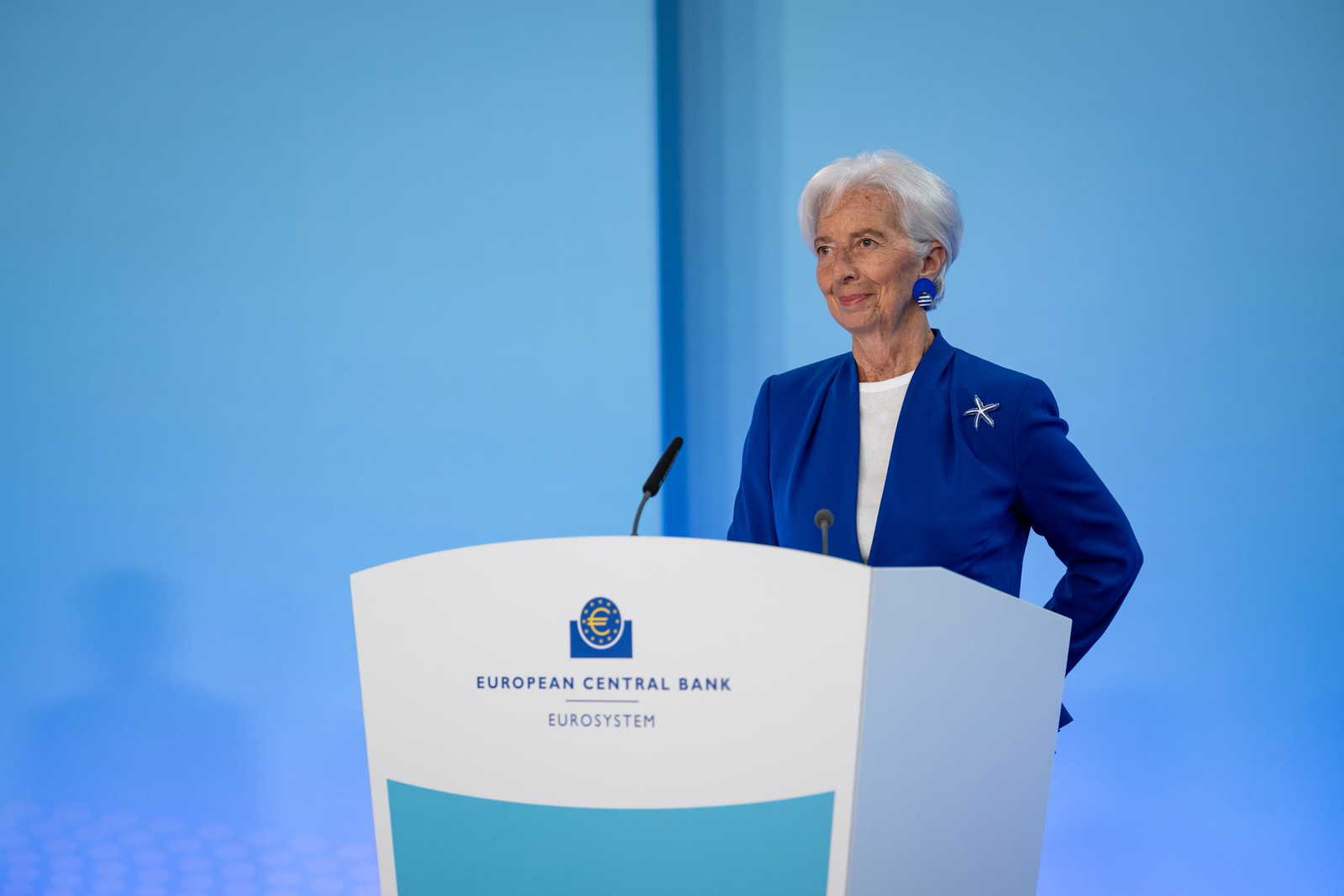
At her post-meeting news conference, ECB President Christine Lagarde said the conflict is already affecting the real economy.
She said manufacturing has held up partly because firms have been building stocks to cope with supply-chain pressures and because of higher defence spending.
She also said the labour market remains resilient, though “labour demand has cooled further, and firms and households expect the labour market to weaken.” Lagarde added that “the war in the Middle East is weighing on activity, and surveys are pointing to a slowdown, especially in services.”
Also Read | US-Iran deal inches closer as Araghchi signals progress, Trump disputes draft terms
A pause concludes, the guessing begins
Market watchers saw the move as a significant shift after a long pause.
In Reuters’ market commentary, Deutsche Bank’s Mark Wall said, “This is a significant moment. Not only is this the first ECB hike since 2023, it is also the first hike by one of the major global central banks in response to the energy shock.”
He said he expected “one more hike in September and that’s it.” Commerzbank economist Vincent Stamer also said, “Interest hike is becoming inevitable for the ECB,” adding that another increase in the third quarter was likely.
FAQs
Q1: Why did the ECB raise interest rates?
Ans: The ECB said it raised rates to keep inflation anchored to its 2% target amid rising price pressures linked to the conflict in the Middle East.
Q2: What did the ECB say about the eurozone economy?
Ans: The ECB lowered its growth forecasts and warned that the war in the Middle East is weighing on economic activity, particularly in the services sector.