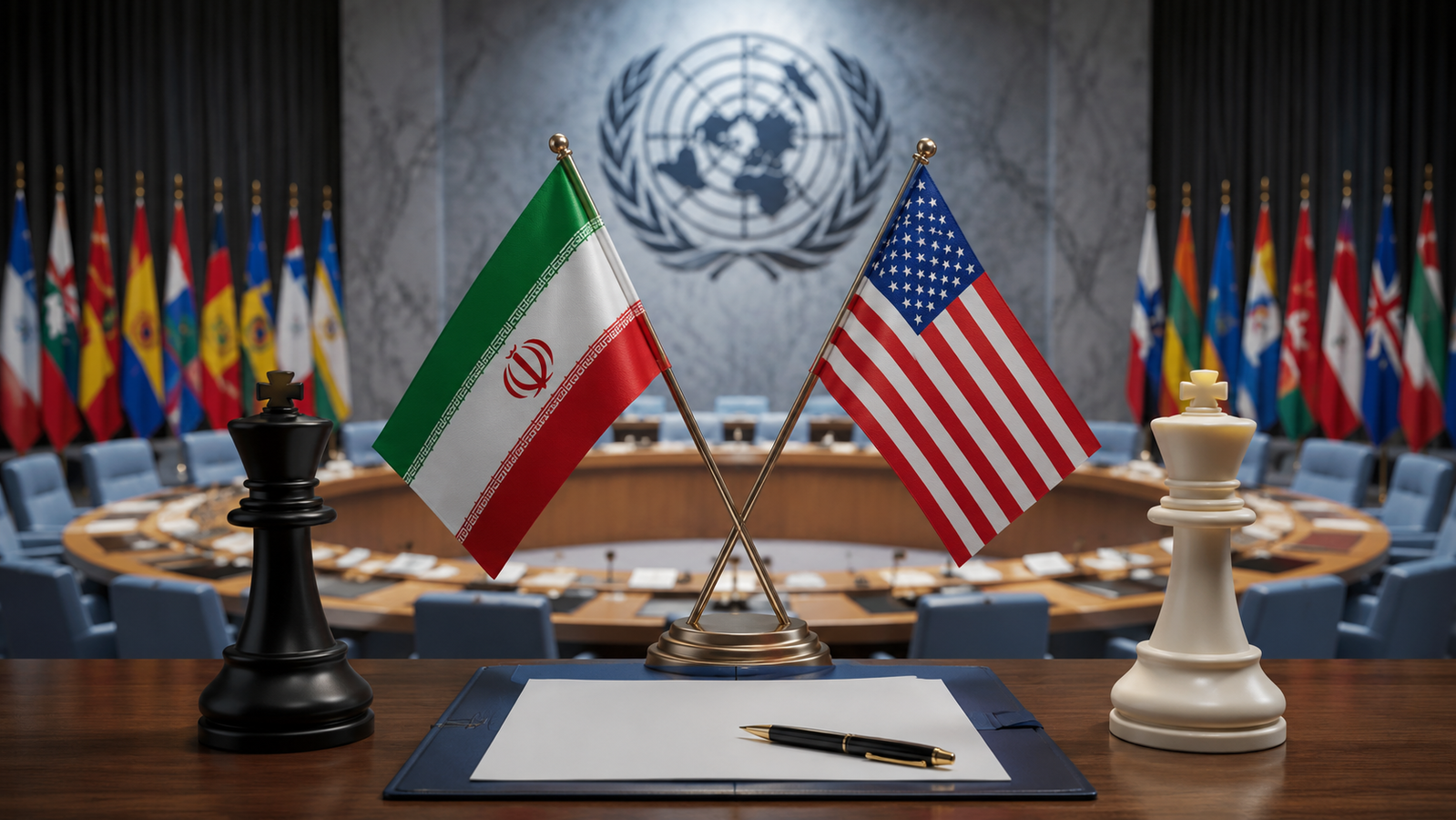
As Iran and the United States prepare to formally sign their memorandum of understanding in Geneva on June 19, one provision in the proposed agreement is drawing particular attention in diplomatic and legal circles.
Clause 13 of the 14-point framework calls for “the ratification of the final agreement through a decision by the UN Security Council". While other aspects of the deal focus on sanctions relief, maritime access and regional security, this clause is aimed at giving the agreement a stronger international legal foundation.
What ratification means in international law
Ratification is the process through which a country formally accepts that it is legally bound by an international agreement.
Also Read | No tolls, but fees: Iran reveals what ships will have to pay after Strait of Hormuz reopens
While signing a deal signals intent, ratification creates binding legal obligations. Until ratification is completed, countries can still withdraw before the agreement fully takes effect.
The process generally requires approval through domestic institutions. In the United States, major treaties typically need the support of two-thirds of the Senate. In Iran, the process involves the Islamic Consultative Assembly and the Guardian Council before final approval.
Why Iran wants UN Security Council involvement
Iran is seeking something beyond domestic ratification. Under Clause 13, Tehran wants the final agreement to be endorsed through a formal decision of the United Nations Security Council (UNSC), per a report by News18.
The UNSC is the only UN body whose decisions can become legally binding on all member states. Its five permanent members, the United States, Russia, China, the United Kingdom and France, each hold veto power.
For any resolution to pass, at least nine members must vote in favour and none of the permanent members can vote against it.
Lessons from the 2015 nuclear deal
Iran’s insistence on UNSC involvement is closely linked to its experience with the 2015 Joint Comprehensive Plan of Action (JCPOA).
The agreement was endorsed by the Security Council through Resolution 2231, which provided the legal framework for implementing the deal and lifting UN sanctions.
However, the United States later withdrew from the agreement in 2018 and reimposed sanctions despite the existing UNSC resolution.
Per News18, Iranian Foreign Ministry spokesperson Esmaeil Baghaei acknowledged this concern, saying the agreement would be formalised through a United Nations Security Council resolution “in order to comply with the international legal framework.”
At the same time, he cautioned that Iran “does not consider a UN Security Council resolution to be a guarantee of an agreement” because the United States “has easily ignored" such resolutions in the past.
Ratification raises costs but not guarantees
A UNSC resolution could increase the diplomatic and legal consequences of abandoning the agreement in the future.
However, past experience has shown that Security Council endorsement alone cannot compel a permanent member such as the United States to remain part of an agreement if a future administration decides otherwise.
Also Read | 6.7-magnitude earthquake jolts Indonesia's Sulawesi, damage assessment underway
Even so, Iranian officials appear to view UNSC ratification as an important layer of international legal protection. For Tehran, the goal is to place any future agreement within a broader global framework rather than rely solely on bilateral commitments between the two countries.
Whether that protection proves sufficient remains a question shaped by the lessons of the 2015 nuclear deal and the years that followed.
FAQs:
What is Clause 13 of the US-Iran deal?
It seeks ratification of the final agreement through the UN Security Council.
Why does Iran want UNSC ratification?
To give the agreement stronger international legal backing.