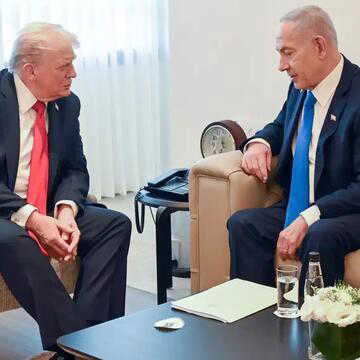
US President Donald Trump on Saturday threatened to impose US tolls in the Strait of Hormuz if a final agreement with Iran is not completed within 60 days, escalating pressure on talks that are meant to hold together a fragile interim peace framework.
Speaking from Camp David, Trump said the initial arrangement calls for toll-free travel through the vital waterway for 60 days, after which, he said, “there will be NO TOLLS after the 60 day period has expired,” unless they are imposed by and for the United States.
He also said the money would be for “services rendered as the Guardian Angel” to Middle Eastern countries.
Also Read | Dhaka's new playbook? Rahman's 'Bangladesh First' approach sees Malaysia and China trump India
🚨 HOLY CRAP! President Trump just FLIPPED THE SCRIPT, telling Iran *AMERICA* could toll the Strait of Hormuz if they don't fulfill the deal after 60 days
— Eric Daugherty (@EricLDaugh) June 20, 2026
Don't mess with 47! 🔥
"There will be NO TOLLS in the Hormuz Strait for 60 days during the Cease Fire Period, and there… pic.twitter.com/9nrVzTaa6C
US-Iran talks and the Switzerland push
The warning comes against the backdrop of a memorandum of understanding signed this week by the Iranian and US presidents, which left the hardest questions — including Iran’s nuclear programme — for later and gave the sides 60 days to reach a lasting agreement or extend the interim deal.
White House envoy Steve Witkoff was heading to Switzerland for the first round of talks, while Trump’s son-in-law and envoy Jared Kushner was already in the country. Iranian Foreign Minister Abbas Araghchi was also expected to travel for discussions with US representatives, and Qatar’s prime minister had arrived ahead of the negotiations, underscoring Doha’s role as a key mediator
Lebanon threatens to derail the peace track
The diplomatic push has been repeatedly complicated by violence in Lebanon. Israel and Hezbollah agreed to a ceasefire on Friday after an escalation in fighting had jeopardised the chances of the Iran accord turning into a broader Middle East peace deal.
But within hours of the truce, Lebanon’s state news agency said Israeli strikes killed at least 20 people on Saturday, while Israel said the attacks were a response to projectiles fired by Hezbollah. Hezbollah accused Israel of violating the ceasefire and warned that continued attacks “will not pass without a response.” The ceasefire is significant because ending the Lebanon fighting is one of the conditions tied to the wider US-Iran arrangement.
Hormuz, oil and the stakes ahead
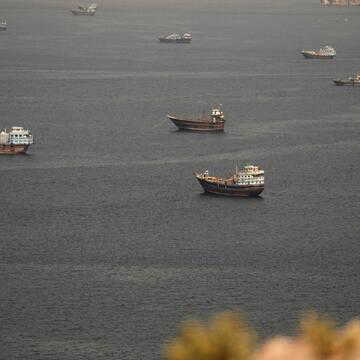
The Strait of Hormuz remains central to the stakes around the talks because of its role in global energy flows. The passage carried nearly a fifth of global crude oil and liquefied natural gas supplies before the war disrupted traffic.
The uncertainty has already drawn political backlash in Washington, where Trump’s handling of tolls in the memorandum has prompted criticism from some Republicans. With the Switzerland talks now set against renewed violence in Lebanon and renewed pressure over shipping in Hormuz, the next phase of negotiations will test whether the interim understanding can be turned into a lasting settlement.
Also Read | Donald Trump escalates feud with Giorgia Meloni over G7 photo allegation
FAQs
Q1: What is the Strait of Hormuz and why is it important?
Ans: The Strait of Hormuz is a key global shipping route through which a significant share of the world's oil and liquefied natural gas supplies passes.
Q2: Why did Donald Trump threaten tolls in the Strait of Hormuz?
Ans: Trump said the U.S. could impose tolls after a 60-day period if a final agreement with Iran is not reached.