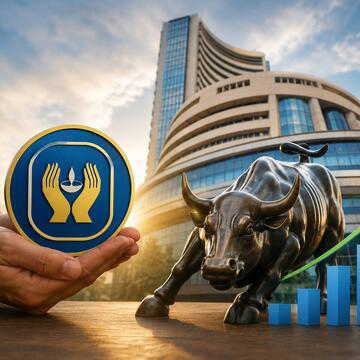
India’s investment habits have changed sharply in recent years, with digital platforms, mutual funds, and stock market apps bringing equities into everyday conversation among students, salaried workers, and retirees alike.
The shift has been broadly positive because it reflects a stronger push toward long-term wealth creation, but it also asks whether the new enthusiasm is slowly turning into pressure.
Citing Anand Rathi Wealth, a Financial Express piece says the share of equities and mutual funds in household financial assets has risen from less than 7% in 2015 to nearly 14% today, underscoring how quickly retail participation has expanded.
This is a wider cultural shift, not just a financial one, as market talk now travels through office lunches, family chats, and social media feeds.
Also Read | EPFO subscribers may get 8.25% interest credit this month after govt nod: Here's what you should know
India has emerged as a major investment destination. Foreign Direct Investment inflows increased from about ₹29 lakh crore during 2003–14 to more than ₹70 lakh crore during 2014–25, reflecting growing global confidence in India's economic potential. #12YearsOfIndiaFirst pic.twitter.com/yAAasI6w1x
— DPR Haryana (@DiprHaryana) June 19, 2026
A fashionable affair with finance
Investing has become more visible, but that visibility can be a double-edged sword.
Financial content on social media has made concepts such as diversification, SIPs, and asset allocation easier to understand for first-time investors, but it has also amplified the urge to react quickly to trends, viral stock tips, and headline-grabbing rallies.
Anand Rathi Wealth is quoted as saying, “Investing has gradually transformed into a mainstream cultural activity.”
They warn investors can start chasing themes or rebalancing portfolios too often, not because of their own goals, but because of fear that they will miss a market move. The better guide remains an individual’s risk appetite, time horizon, and financial objectives, rather than whatever is currently trending online.
A sturdy umbrella for rainy days
Many young Indians are getting a head start on investing, but in the excitement of growing their money, some may be skipping the financial safety nets that matter just as much—such as emergency savings, health cover and life insurance.
It is recommended to build an emergency corpus equal to six to 12 months of expenses before chasing higher returns.
Anand Rathi Wealth says, “Once these fundamentals are in place, investors can focus on long-term wealth creation.” Behavioral biases become more visible during strong bull runs, when investors are tempted to pile into sectors after they have already rallied. That kind of decision-making is often driven less by discipline and more by momentum, which can leave investors exposed to products or entry points that do not suit their broader plans.
Not every flutter warrants a fuss
The final concern is psychological. As portfolios can now be checked in real time and market updates arrive constantly, short-term volatility has become harder to ignore.
This can turn investing into a source of anxiety, especially when investors focus too heavily on daily movements or set unrealistic return expectations for themselves.
Not every market swing requires a response. Financial experts say investors should avoid making decisions based on short-term movements and instead stick to a disciplined review process.
India’s investing boom has brought millions of people into the formal financial system. The task ahead is to ensure that the excitement of growing wealth remains anchored to long-term financial stability and life goals.
Also Read | India's direct tax revenue gets strong FY27 start as collections jump 14.6%
FAQs
Q1: Why are more Indians investing in stocks and mutual funds?
Ans: More Indians are investing due to easier access through digital platforms, growing financial awareness and a stronger focus on long-term wealth creation.
Q2: What are the biggest mistakes new investors should avoid?
Ans: Experts say investors should avoid chasing market trends while neglecting essentials such as emergency savings, health insurance and long-term financial planning.