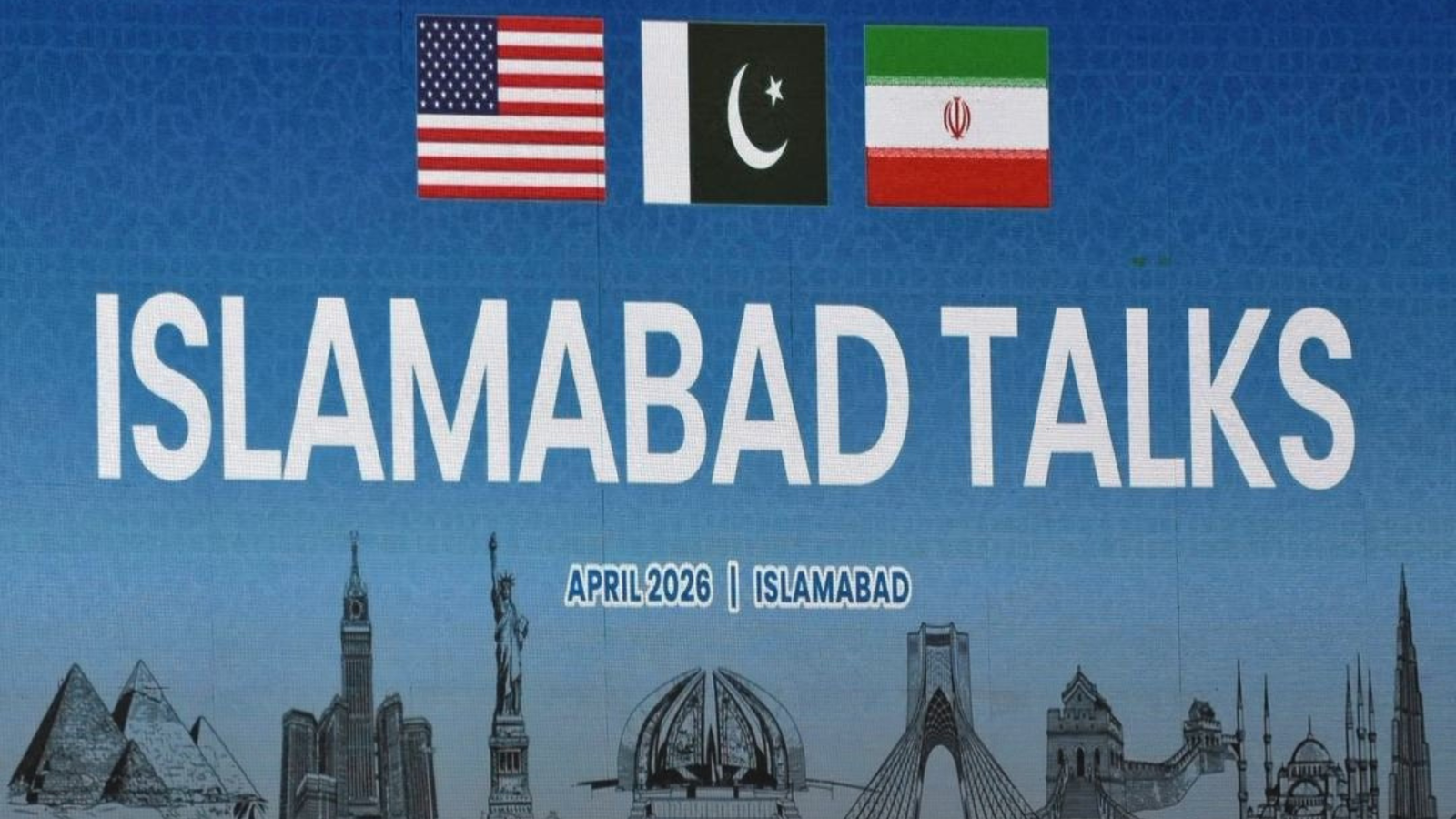
Vice President JD Vance is set to travel to Islamabad to resume high-stakes ceasefire negotiations with Iran, as diplomatic efforts intensify ahead of a looming deadline.
Ceasefire deadline extended amid urgency
The visit comes as the fragile truce brokered by Donald Trump nears its expiry. Originally announced on April 7 as a two-week ceasefire, the timeline has now been pushed to "Wednesday evening Washington time", offering a narrow window for talks, reported Mint.
Also Read | Who benefits as US rolls out largest tariff refunds ever?
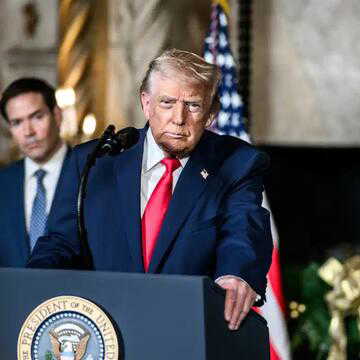
Vance will be joined by Trump's son-in-law Jared Kushner and special envoy Steve Witkoff. Trump indicated he would not attend personally, saying, "There's going to be a meeting. They want a meeting, and they should want a meeting. And it can work out well."
Tehran sends mixed signals
Behind the scenes, uncertainty lingered over Iran's participation. Approval from Supreme Leader Ali Khamenei reportedly came at the last minute, allowing negotiators to attend.
Publicly, however, Iran maintained a firm stance. Foreign Ministry spokesperson Esmaeil Baghaei said there were no plans for fresh talks and accused Washington of undermining diplomacy. President Masoud Pezeshkian echoed that tone, writing that "deep historical mistrust in Iran toward US gov conduct remains" and asserting that "Iranians do not submit to force".
Internal divisions were also visible. Parliament Speaker Mohammad Bagher Ghalibaf criticised hardliners opposing a deal, calling them "extremist" elements, Mint reported.
Strait tensions and military pressure
A key sticking point remains the Strait of Hormuz. Trump made it clear the route would stay closed until an agreement is reached.
"The Iranians desperately want it opened. I'm not opening it until a deal is signed," Trump said.
He also warned against delays, stating, "I'm not going to be rushed into making a bad deal. We've got all the time in the world," he said. Then, in the same breath: "It's highly unlikely that I'd extend it."
Nuclear dispute at the core
Beyond immediate ceasefire concerns, the negotiations hinge on Iran's nuclear programme. Washington has demanded that Tehran abandon any pursuit of nuclear weapons and give up enriched uranium stockpiles.
Also Read | Who is John Ternus? Meet Apple’s new CEO set to replace Tim Cook
Global markets have shown signs of strain. Oil prices surged, with Brent crude nearing $95 a barrel, while equities slipped amid uncertainty over the ceasefire’s future.
As talks resume, the outcome remains uncertain, with both sides navigating deep mistrust and high stakes.