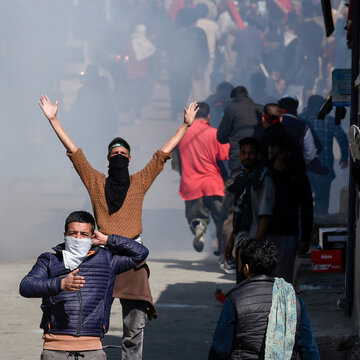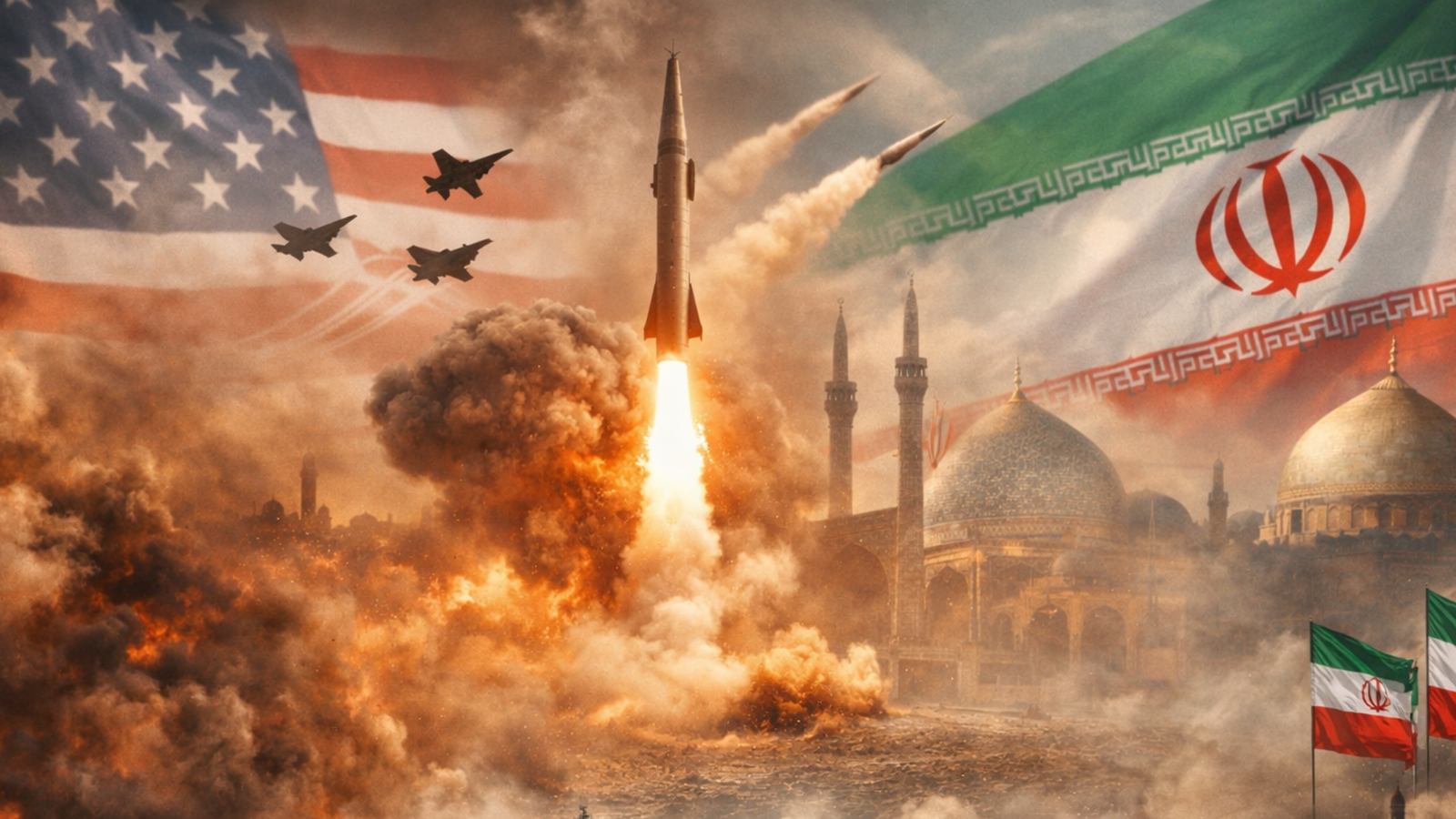
The tension in the West Asian region has not yet subsided as the United States and Iran are engaging in a war of words on the possibility of holding talks, with no breakthrough in the near future. While the United States has claimed that the talks are on, the Iranian government has denied the news, fueling speculation on the possibility of a ceasefire.
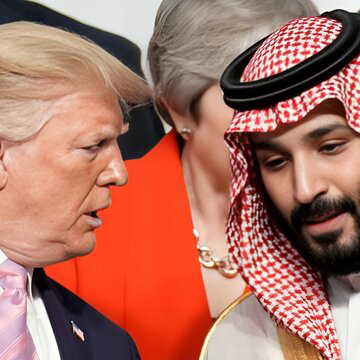
The administration of Donald Trump has claimed that the talks to resolve the conflict are in place. According to the reports, the United States has sent a proposal of a 15-point ceasefire plan through intermediaries.
According to a report by The New York Times, the proposal includes a temporary ceasefire of one month to facilitate discussions. It also calls for ending Iran’s nuclear weapons capability and halting uranium enrichment within the country. Key nuclear facilities at Natanz, Isfahan and Fordo would be dismantled, with full access granted to the International Atomic Energy Agency.
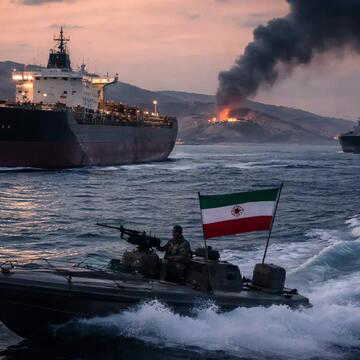
The plan also deals with the concerns of the regions, such as the Iranian missile program, the Iranian support for armed groups, and the Strait of Hormuz. In return, the US has reportedly offered sanctions relief and support for Iran’s civilian nuclear energy programme, including operations at the Bushehr plant.
Also Read | 'Forced it to change its position': Iran claims missile strike on US aircraft carrier Abraham Lincoln
Iran rejects claims, sets conditions
Iran, however, has pushed back against Washington’s assertions. Officials have denied that any direct or indirect negotiations have taken place so far.
Iran’s state-controlled Press TV reports indicate that Tehran has rejected the US proposal and instead outlined its own set of conditions for ending hostilities. These include:
"Complete halt to 'aggression and assassinations' by the enemy."
“The establishment of concrete mechanisms to ensure that the war is not reimposed on the Islamic Republic”.
“Guaranteed and clearly defined payment of war damages and reparations”.
Also Read | 'Heinous crime': Air strikes kill seven in Iraq, tensions escalate sharply
"The end of the war across all fronts and for all resistance groups involved throughout the region".
“Iran's exercise of sovereignty over the Strait of Hormuz is and will remain Iran's natural and legal right, and it constitutes a guarantee for the implementation of the other party's commitments, and must be recognised”.
Despite public statements from Washington describing the situation as “productive,” the gap between both sides remains significant. Continued military activity across the region, coupled with conflicting claims over talks, has left the status of any potential agreement unclear.