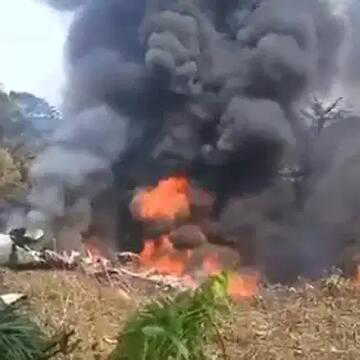
Amazon Web Services (AWS), the cloud computing arm of Amazon.com Inc., has faced disruption, for a second time now, in its Bahrain region following drone activity in the area. The development comes as tensions continue to escalate across the Middle East, raising fresh concerns about the vulnerability of critical digital infrastructure.
Disruption and response
A company spokesperson confirmed that the disruption was linked to drone activity near its Bahrain facilities, reported NDTV. In response, AWS has started shifting affected customers to other regions to minimise service interruptions. According to the company, most users have already been moved, though details on the extent of damage or a timeline for full restoration have not been disclosed.
Also Read | 7.6 quake hits near Tonga: Why scientists are worried despite no tsunami warning
The move highlights how global cloud operations are adapting quickly to ensure continuity, even as security risks increase in conflict-affected zones.
Impact on global services
AWS plays a key role in supporting websites, businesses and public sector operations around the world. It is also Amazon's primary profit-generating division. Any disruption to its services can have a ripple effect across industries that rely on cloud infrastructure for daily operations.
The incident underscores the growing risks to digital systems, as military activity begins to intersect with infrastructure that powers global connectivity.
This is the second disruption affecting AWS facilities in Bahrain since the start of the US-Israeli war on Iran. Earlier in March, AWS reported power outages at sites in Bahrain and the United Arab Emirates. During that time, the company had similarly shifted workloads to other regions while working to restore services.
According to Reuters, the earlier incident involving a UAE facility was notable as the first known case of military action impacting a data centre operated by a major US technology firm.
Damage and concerns
AWS had earlier stated, "These strikes have caused structural damage, disrupted power delivery to our infrastructure, and in some cases required fire suppression activities that resulted in additional water damage," as quoted by Reuters on its status page.
Also Read | 'Deeply painful event for country': 66 killed in Colombian military plane crash minutes after takeoff
The latest disruption adds to concerns about how geopolitical conflicts are increasingly affecting not just physical infrastructure, but also the digital backbone supporting global economies.