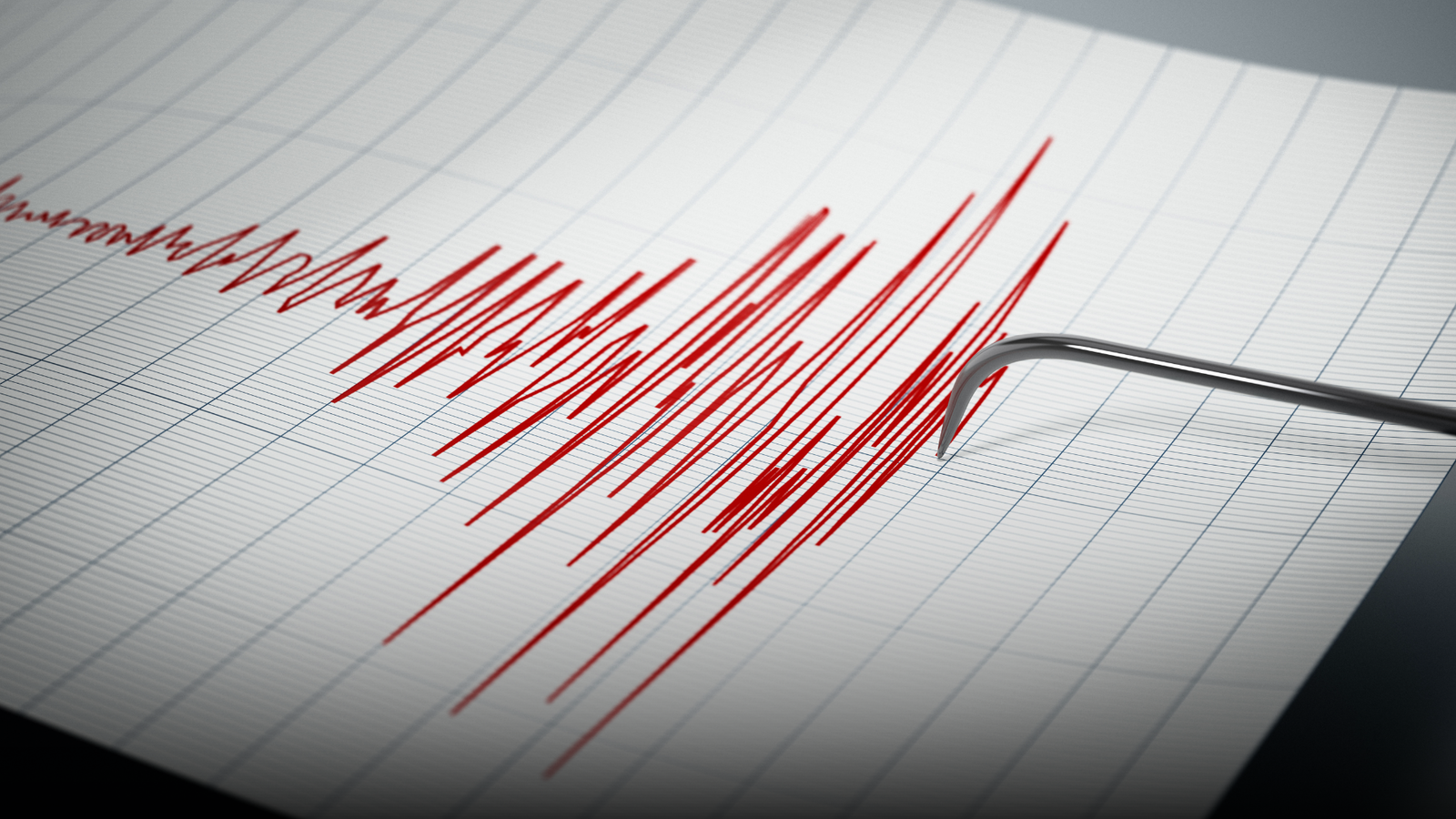
A 6-magnitude earthquake struck the Samar region in the Philippines on Monday, according to a report by Reuters citing data from the German Research Centre for Geosciences.
The United States Geological Survey said the quake occurred at a depth of 73.3 kilometre. Its epicentre was located around nine kilometre from San Julian, a coastal town in the Samar province.
Also Read | South Korea’s sleep problem in focus as Seoul holds unusual power nap contest
No immediate reports of casualties
Initial reports suggested no injuries following the tremors. However, the impact was felt strongly in the area. A local police officer described the experience, saying the shaking was "strong and sudden".
The officer added, "Here at the police station, one of the beams where our roof was attached was broken ... I saw some furniture moving," highlighting minor structural damage and visible movement inside buildings.
Authorities continue to monitor the situation for any further developments.
Why earthquakes are frequent in the Philippines
Seismic activity is common in the Philippines due to its location along the Pacific "ring of fire". This region is known for frequent earthquakes and volcanic activity, stretching from Japan through Southeast Asia and across the Pacific Ocean.
The country has experienced several significant earthquakes in recent times. In October last year, Eastern Mindanao was hit by two major quakes measuring 7.4 and 6.7 in magnitude, which resulted in at least eight deaths.
These events followed another powerful 6.9-magnitude earthquake that struck days earlier, killing 76 people and damaging or destroying around 72,000 homes in Cebu province, based on government data.
Also Read | Haj airfare shock: Pilgrims to pay ₹10,000 more amid Middle East crisis
While the latest quake did not immediately result in casualties, such events underline the region’s vulnerability to seismic activity. Authorities typically assess structural safety and remain alert for aftershocks following such incidents.