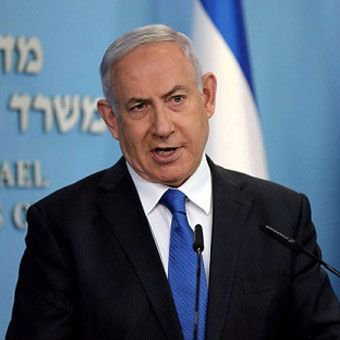
Israel and Hezbollah agreed on Friday to halt heavy fighting in southern Lebanon after a fresh burst of violence raised doubts over the durability of the interim peace agreement between the United States and Iran.
A senior US official said the ceasefire would take effect around 4 p.m. Lebanon time, while talks scheduled to begin in Switzerland were cancelled as the fighting escalated.
The Associated Press said the truce was reached as the latest exchange of fire threatened to unravel the broader deal.
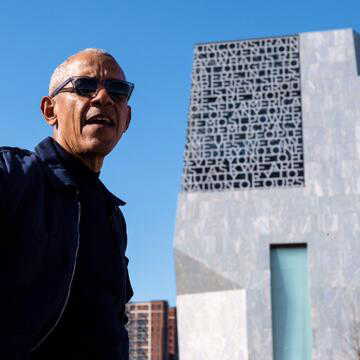
Also Read | 'Maybe a little bit worse off': Obama says Iran war cost lives, billions and military strength
🚨 NOW: President Trump's team and Qatar have brokered a CEASEFIRE between Israel and Lebanon, per Axios, to ensure the Iran peace process continues
— Eric Daugherty (@EricLDaugh) June 19, 2026
This comes as Trump said he will play out the next 60 days with Iran to see if Iran upholds their end
PRAY FOR PEACE! No more… pic.twitter.com/3PUBuljUKV
After the guns spoke, the diplomats stirred
The ceasefire followed overnight airstrikes and ground fighting that left at least 18 people dead in Lebanon and four Israeli soldiers killed.
The Lebanese health ministry said 18 people were killed and 33 wounded in strikes across 11 southern towns, while the Israeli military said four soldiers were killed in an incident in Lebanon.
The agreement was worked out by US and Qatari negotiators with help from Iran, and a senior US official described the development this way: “We understand that after the exchange of fire earlier today, Israel and Hezbollah are now in a ceasefire.”
While Hezbollah are committed to violating the ceasefire and creating instability, we are committed to protecting our civilians and operating against terror. pic.twitter.com/B6KLQRF93G
— Israel Defense Forces (@IDF) June 19, 2026
A ceasefire declared, but doubts linger
The truce, however, was not immediately confirmed by either side.
“Neither Israel nor Hezbollah immediately confirmed the truce,” even as officials said the fighting had created a major threat to the interim peace arrangement.
Israel said it would keep its forces in southern Lebanon, where a senior Israeli official said, “If Hezbollah does not attack us, then for us it is not a time of war.” Israel has maintained that it is not party to the US-Iran accord, and Hezbollah lawmaker Hassan Fadlallah said further talks depended on a comprehensive ceasefire being in place.
As tempers cool, negotiations wait
The diplomatic fallout spread quickly beyond Lebanon. US Vice President JD Vance had dropped plans to attend the Switzerland talks and later reported that Iranian officials did not travel as scheduled either, insisting the fighting in Lebanon must stop before negotiations could continue.
The Swiss foreign ministry said the talks had been postponed. Switzerland remained ready to help. The violence had already delayed the start of talks planned for Friday in Switzerland, even though the wider deal gives negotiators 60 days to reach a lasting accord or extend the interim arrangement.
The agreement is meant to address Iran’s nuclear programme, ease sanctions pressure, and keep the Strait of Hormuz open to global shipping.
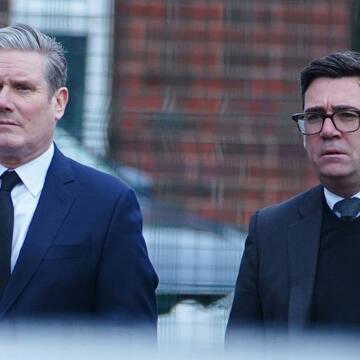
Also Read | 'I will stand, not going to walk away': Keir Starmer digs in as Andy Burnham win fuels Labour revolt
FAQs
Q1: Why were the U.S.-Iran talks postponed?
Ans: The talks were postponed after renewed fighting between Israel and Hezbollah in southern Lebanon raised concerns about regional stability.
Q2: What does the Israel-Hezbollah ceasefire mean for the U.S.-Iran deal?
Ans: The ceasefire is seen as a key step toward preserving the interim U.S.-Iran agreement and creating conditions for negotiations to resume.