Cheese is usually known as a comfort food, enjoyed in dishes like pizza, sandwiches, and pasta that people love in everyday life. However, there is one type of cheese that stands completely apart from the rest because of its unusual preparation and reputation around the world. It is banned in many countries and is often referred to as the world’s most dangerous cheese due to its extreme and unconventional production process.
What is Casu Marzu and where does it originate from?
Casu Marzu, a traditional delicacy from the Italian island of Sardinia. For some people, it is an important part of local food culture and heritage that has been passed down through generations. However, for others, it is considered one of the most unusual and shocking foods in the world due to its extreme preparation method.
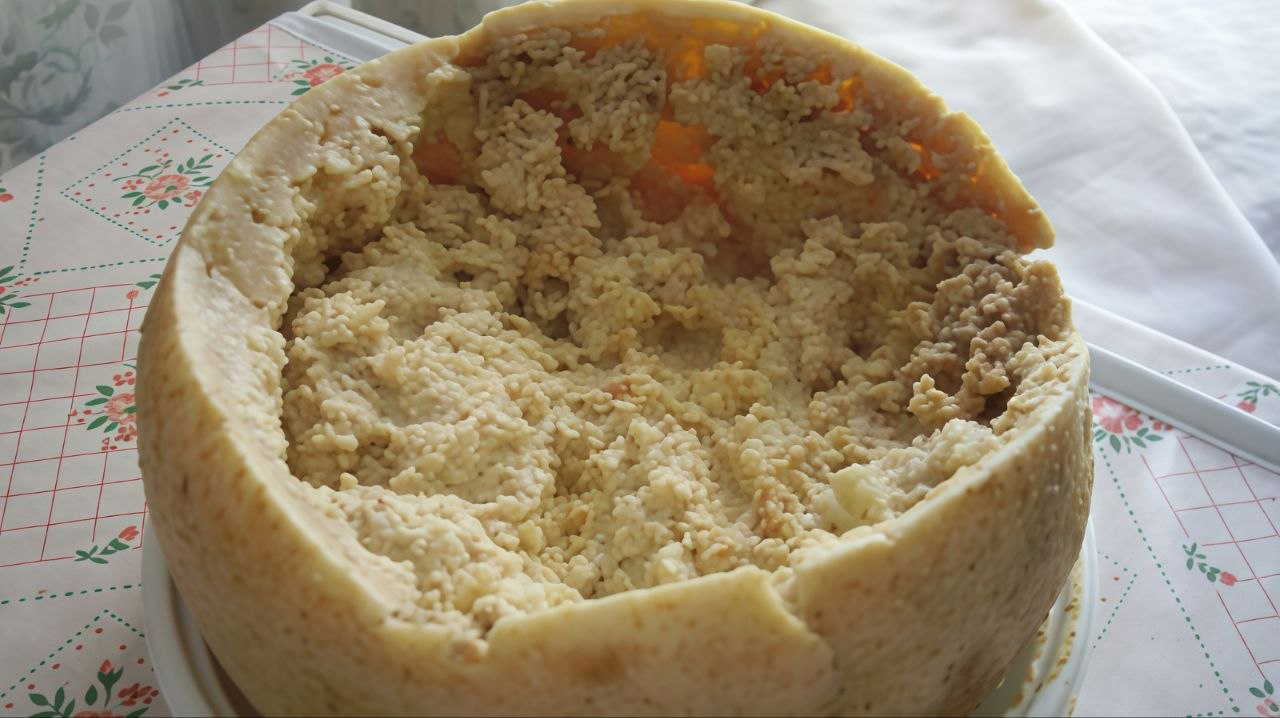
As per News18 reports, Casu Marzu is a Sardinian sheep’s milk cheese that is made by allowing maggots to break down the cheese during the fermentation process. Its name literally means “rotten cheese” in the Sardinian language. The larvae digest the fats inside the cheese, changing its texture into a soft, creamy form with a very strong smell and intense flavour.
Why did Guinness World Records label it as most dangerous cheese?
Casu Marzu contains live maggots when it is served. These larvae are known to jump a few inches when disturbed, making the cheese unusual and potentially unsafe if it is not handled properly. Consuming food with live insects may also pose health risks if hygiene conditions are not maintained. In 2009, Guinness World Records labelled it as the world’s most dangerous cheese.
As per News18 reports, the preparation of this cheese begins with Pecorino cheese. Cheesemakers cut open the rind and leave it exposed so that the cheese fly, Piophila casei, can lay eggs inside. After the eggs hatch, the larvae feed on the cheese for several weeks, breaking down its fats and creating its soft and distinctive texture.
How does Casu Marzu taste and what makes its flavour unique?
People who have tried Casu Marzu describe it as intensely pungent, spicy, and tangy in taste. The texture is soft and creamy, with a liquid centre known as lagrima, which means “tears.” Its strong flavour can remain on the palate for hours after eating.
Also Read | Two Americans held after entering Punch the monkey’s zoo enclosure in Japan
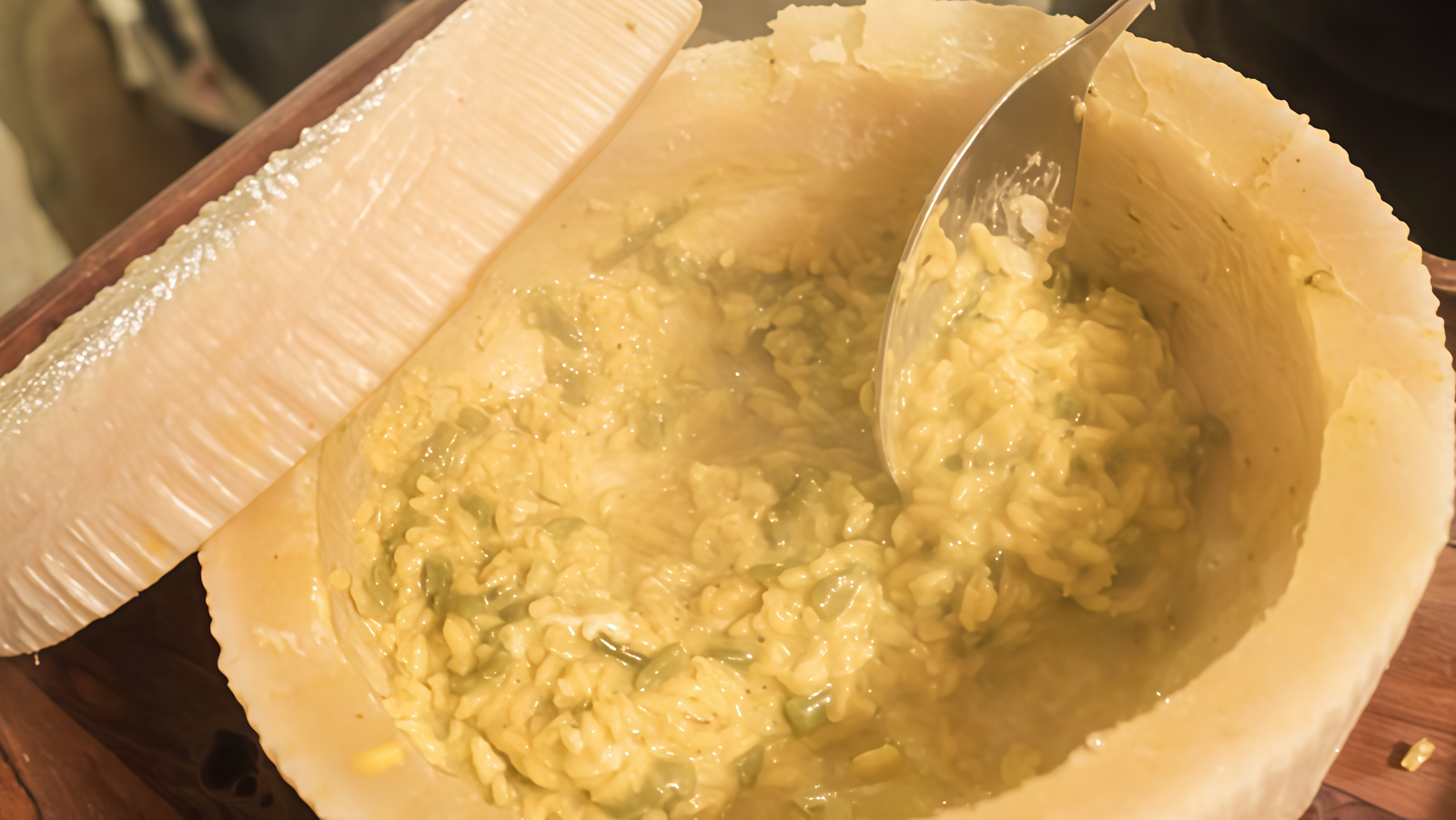 Casu Marzu, a traditional delicacy from the Italian island of Sardinia. X_@WorldOf_RPs
However, the main concern with this cheese is hygiene and the risk of digestive problems if the larvae survive after consumption. Because of these safety issues, food safety authorities in the European Union have restricted its commercial sale. Still, locals who prepare and eat it traditionally believe it is safe when made correctly. As per News18 reports, Casu Marzu is not usually sold in regular markets as it does not meet modern food safety standards, but it continues to be produced on a small scale in Sardinia and remains an important part of local culture.
Casu Marzu holds strong cultural significance for many Sardinians, where it is regarded as a symbol of tradition and local identity passed down through generations. It is often served during special occasions and celebrations as part of regional heritage.
The cheese is usually eaten with traditional flatbread like pane carasau and paired with strong red wine to balance its intense flavour. While some people choose to remove the larvae before eating, others consume it as it is, reflecting the different customs and traditional practices within the community.