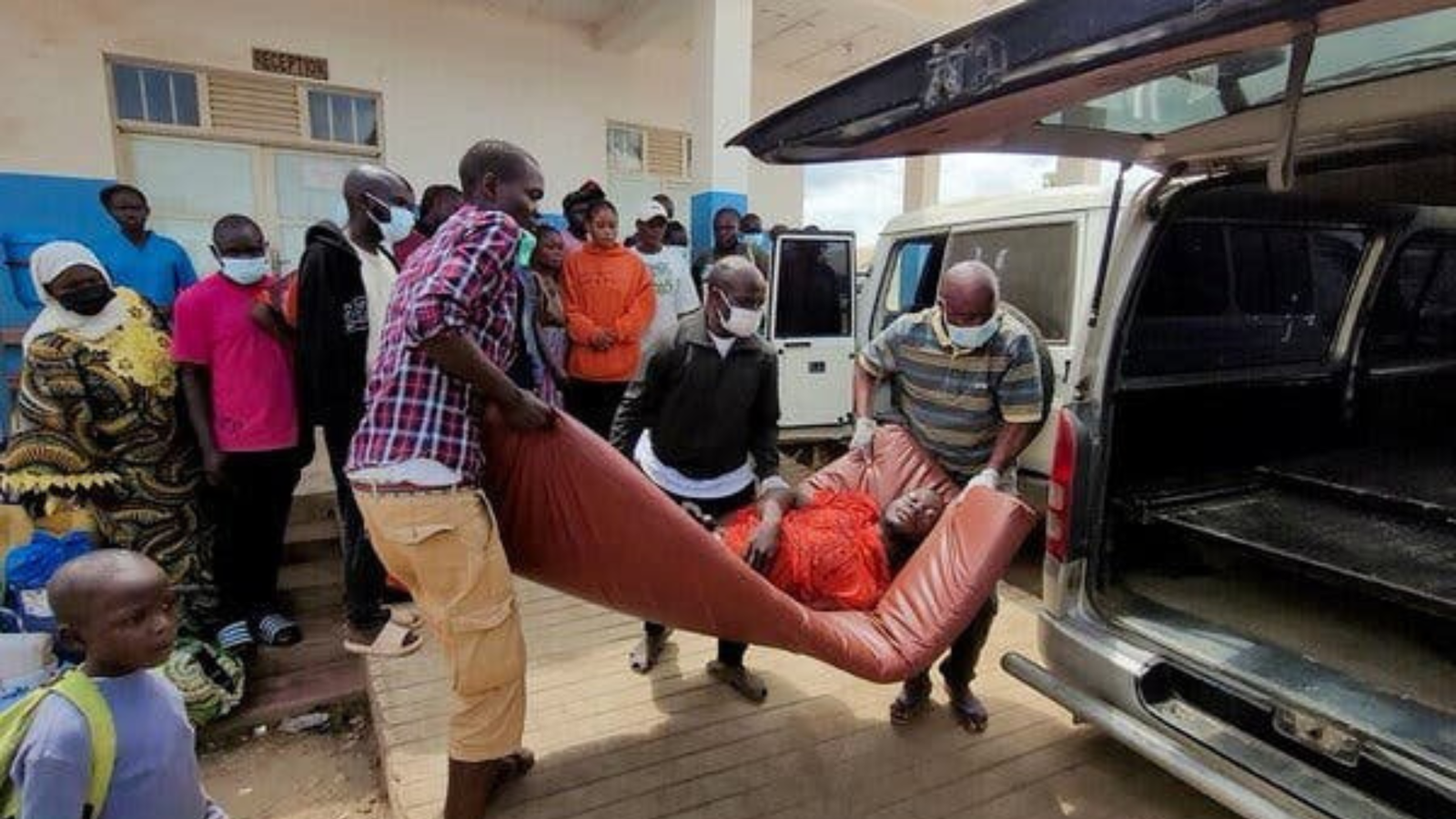
Ebola is a severe and often fatal viral disease that affects humans and other primates. The illness is caused by the Ebola virus, which belongs to the filovirus family. The disease first gained global attention after outbreaks in African countries, where it caused widespread concern because of its high fatality rate and rapid spread through close contact.
According to News18, health experts state that Ebola spreads through direct contact with the blood, bodily fluids, or tissues of an infected person or animal. It can also spread through contaminated objects such as needles or medical equipment. Unlike airborne diseases, Ebola does not spread through the air like the common cold or flu.
How Ebola begins and spreads
The virus is believed to originate in animals, particularly fruit bats, which are considered natural hosts of the disease. Humans may become infected after coming into contact with infected animals. Once the virus enters the human body, it can spread from person to person through bodily fluids, including blood, saliva, sweat, vomit, urine, and semen.
Also Read | Ever wondered why people say 'cheese' before photos? The real reason is surprisingly scientific
People infected with Ebola are not contagious until symptoms begin to appear. However, once symptoms develop, the virus can spread quickly, especially in areas with limited healthcare facilities or poor infection control measures.
Common symptoms of Ebola
The symptoms of Ebola usually appear between two and 21 days after exposure to the virus. Early signs often resemble common viral illnesses, which can make the disease difficult to identify in the beginning.
Some of the most common symptoms include:
Fever
Severe headache
Muscle pain
Weakness and fatigue
Sore throat
As the disease progresses, patients may experience vomiting, diarrhoea, stomach pain, skin rashes, and internal or external bleeding in severe cases. The illness can rapidly become life-threatening if not treated on time.
How Ebola is diagnosed
Doctors usually diagnose Ebola through laboratory testing. Since the symptoms can resemble diseases like malaria or typhoid in the early stages, proper testing becomes important to confirm infection.
Health authorities often isolate suspected patients immediately to prevent the virus from spreading further.
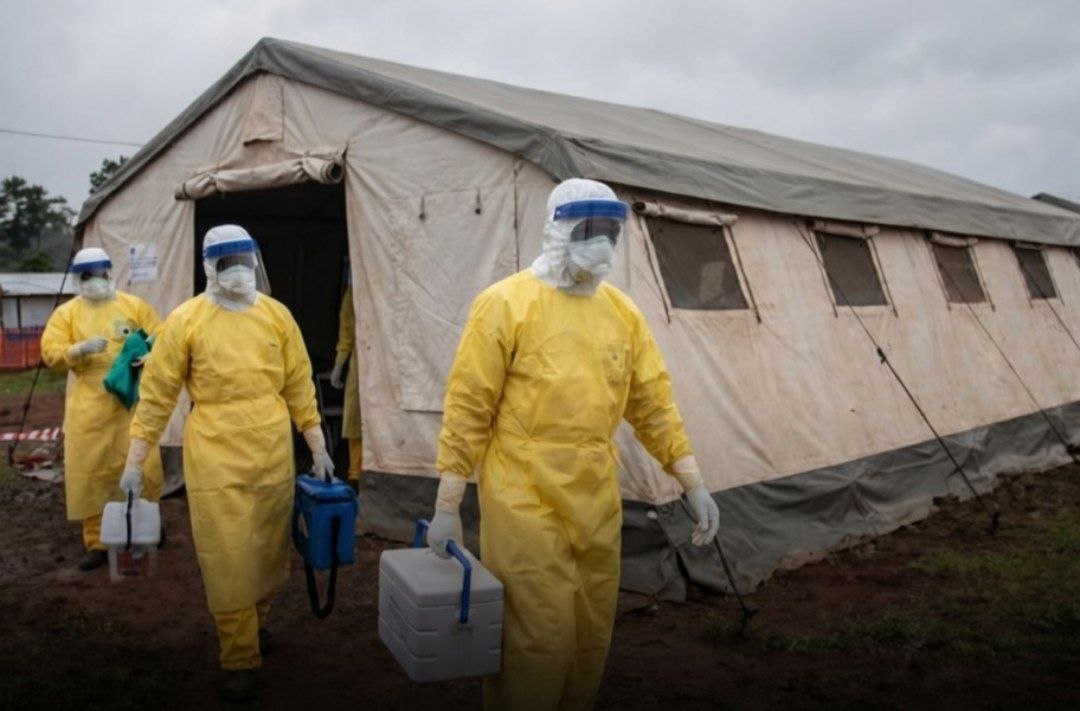 Ebola is a severe and often fatal viral disease X_Mohit01
Treatment and medical care
There is no simple cure for Ebola, but early medical care can improve survival chances significantly. Treatment mainly focuses on supportive care, including maintaining body fluids, balancing oxygen levels, controlling fever, and treating secondary infections.
Also Read | Google I/O 2026 keynote tonight: How to watch live and what to expect?
In recent years, certain vaccines and antibody treatments have also been developed to help reduce the spread and severity of the disease. Healthcare workers dealing with Ebola patients wear specialised protective equipment to avoid exposure to infected bodily fluids.
How outbreaks are controlled
Public health officials control Ebola outbreaks through isolation, contact tracing, safe burials, and strict hygiene measures. Community awareness and rapid medical response also play a major role in preventing large-scale transmission.
Although Ebola remains rare, health experts continue monitoring outbreaks carefully because of the disease’s serious nature and high mortality rate.