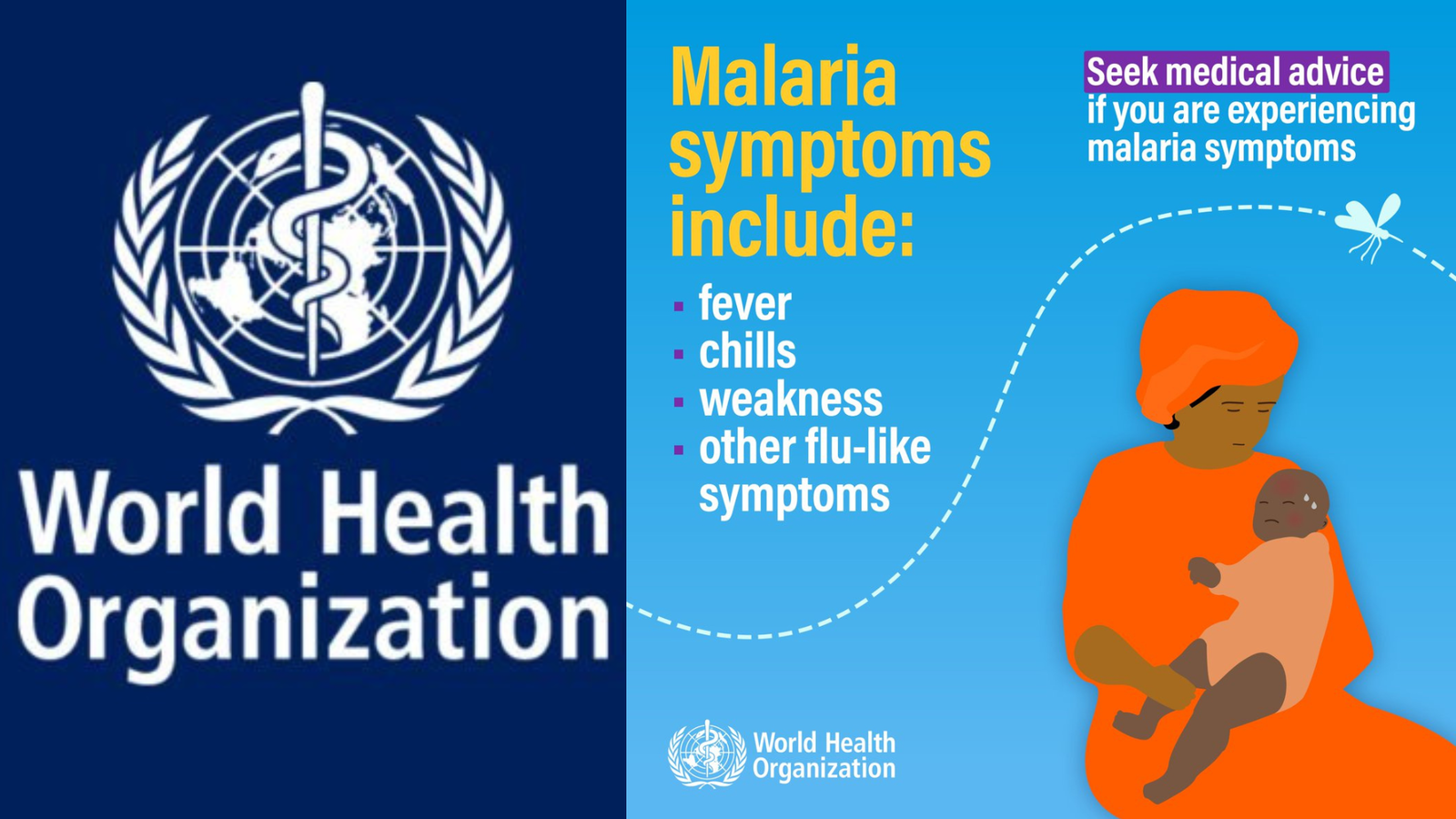
The World Health Organisation (WHO) has granted prequalification approval to a malaria treatment designed specifically for newborns and infants, marking a first in global healthcare. The treatment, artemether-lumefantrine, is tailored for the youngest age group vulnerable to the mosquito-borne disease, per NDTV report.
According to the WHO, "The prequalification designation indicates that the medicine meets international standards of quality, safety and efficacy," enabling wider use through public health systems.
Also Read | Why does one planet’s day last months? NASA reveals a cosmic mystery
Addressing a long-standing gap
Until now, infants have typically been treated with malaria medicines developed for older children. This approach carried higher risks, including dosage errors, side effects and toxicity. The newly-approved formulation is expected to address these concerns by offering a treatment designed specifically for infants.
The WHO said the approval could help close a major treatment gap affecting around 30 million babies born each year in malaria-endemic regions, particularly in Africa.
A major burden on young children
Malaria continues to pose a serious global health challenge. In 2024 alone, there were an estimated 282 million cases and 6,10,000 deaths across 80 countries, according to WHO data.
Africa accounts for 95 per cent of these cases and deaths. Children under five remain the most vulnerable group, making up nearly three-quarters of malaria-related deaths.
Signs of progress, challenges remain
WHO Director-General Tedros Adhanom Ghebreyesus highlighted the significance of recent advancements. "For centuries, malaria has stolen children from their parents, and health, wealth and hope from communities," he was quoted as saying by NDTV.
"But today, the story is changing. New vaccines, diagnostic tests, next-generation mosquito nets and effective medicines, including those adapted for the youngest, are helping to turn the tide.
Also Read | Will shipping disruptions trigger a global condom shortage? Here's what we know
"Ending malaria in our lifetime is no longer a dream; it is a real possibility, but only with sustained political and financial commitment. Now we can. Now we must."
Despite progress, the WHO noted that challenges such as drug resistance, insecticide resistance, diagnostic gaps and declining foreign aid continue to slow efforts.
The organisation's prequalification programme plays a key role in ensuring that medicines and other health products meet global standards, especially in countries with limited regulatory capacity.