Indian airlines have received a significant boost after public sector oil marketing companies reduced aviation turbine fuel prices for international operations by nearly 27 per cent, bringing international jet fuel rates almost on par with domestic fuel prices.
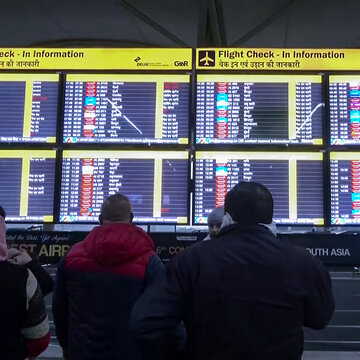
The move comes at a crucial time for Indian carriers, which have been facing mounting operational challenges due to elevated fuel costs, airspace restrictions and disruptions caused by the ongoing conflict in West Asia. While fuel prices for scheduled domestic flights remain unchanged for the second consecutive month, the sharp reduction in international ATF rates is expected to provide much-needed financial relief to airlines operating overseas routes.
International fuel prices fall after months of pressure
According to The Indian Express, the price of jet fuel for international flights has been reduced by nearly 400 dollars per kilolitre for June, bringing it down from around 1,511 dollars per kilolitre in May to approximately 1,100 dollars per kilolitre. In Indian currency terms, the revised rate works out to nearly ₹1.05 lakh per kilolitre.
Officials said the reduction reflects changes in global benchmark fuel prices rather than direct intervention following airline demands. However, carriers had repeatedly urged the government to address the widening gap between domestic and international fuel pricing and introduce measures to cushion the impact of soaring costs.
For domestic operations, ATF prices continue to remain at around ₹1.04 lakh per kilolitre after the government opted against passing on the full increase in global fuel prices earlier this year.
Also Read | From baggage delays to broken escalators, airports may soon pay the price
Airlines continue to battle operational headwinds
According to The Indian Express, fuel is one of the largest expenses for airlines in India, often accounting for around 40 per cent of operating costs. During the recent surge in fuel prices, industry bodies estimated that the share had risen to as much as 60 per cent.
The situation became particularly difficult for international operators after Pakistan's airspace closure and subsequent disruptions across parts of West Asia forced airlines to take longer routes, increasing fuel consumption and operating expenses.
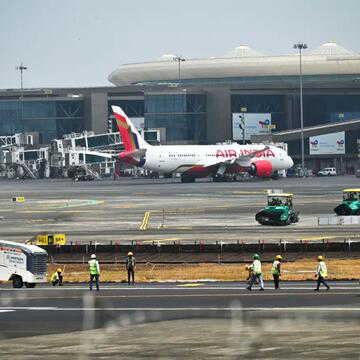
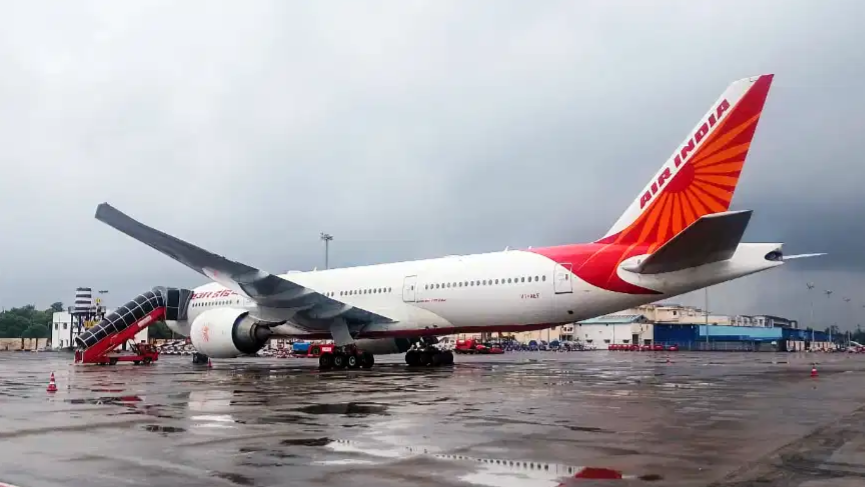
Among Indian carriers, Air India has been the most affected due to its extensive network connecting India to Europe and North America. The airline recently announced substantial reductions across both international and domestic schedules, citing sustained operational pressures and high fuel costs.
Also Read | What is SkyCast system? Delhi airport launches India's first SkyCast system
Industry seeks long-term pricing reforms
According to The Indian Express, despite the latest relief, airlines continue to advocate structural reforms in ATF pricing. Industry representatives have called for the reintroduction of "crack spread bands", a mechanism that previously capped the margins oil companies could charge during periods of extreme price volatility.
Airlines have also renewed demands for parity in fuel pricing between domestic and international operations, arguing that a more predictable pricing structure is essential for maintaining competitiveness and ensuring long-term financial stability.