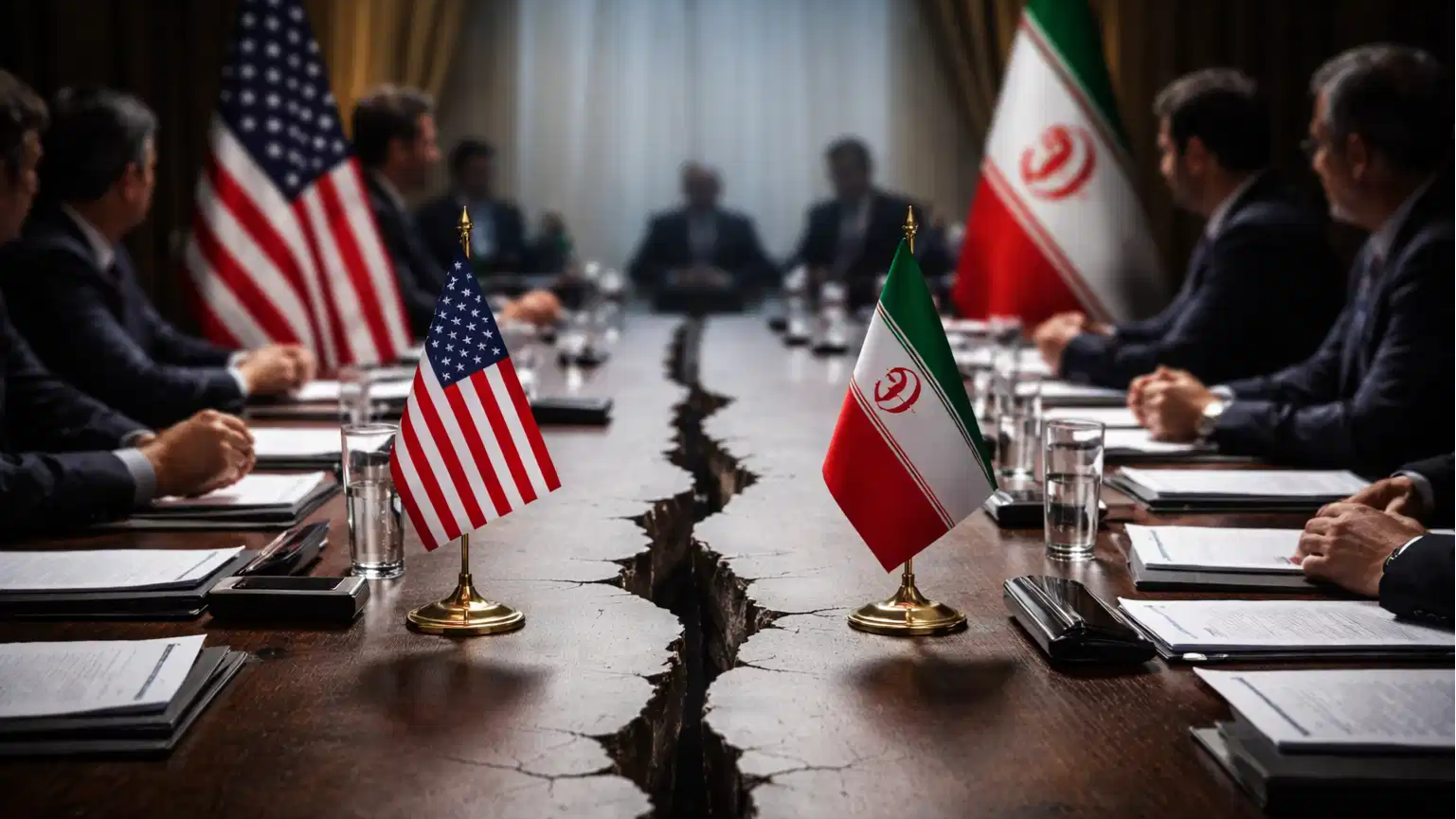
The conflict between the United States and Iran intensified on Monday as both countries launched new military strikes against each other, underscoring the growing instability across the Middle East and the failure of ongoing diplomatic efforts to secure a lasting ceasefire.
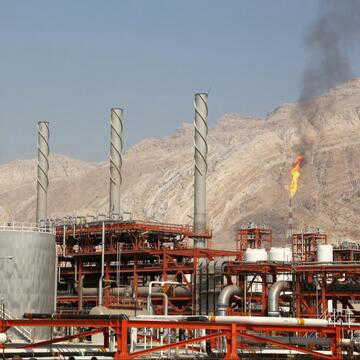
The latest exchange of fire unfolded as negotiations aimed at ending the war remained stalled, with Tehran maintaining that any comprehensive agreement must also address Israel's escalating military operations in Lebanon. The developments have heightened concerns that the conflict could spread further across the region, drawing in more actors and jeopardising key global energy routes.
Tehran links peace talks to developments in Lebanon
According to News 18, Iranian officials reiterated that discussions on broader issues, including the country's nuclear programme, cannot move forward unless Israel halts its military campaign in Lebanon. Tehran accused Washington of violating existing ceasefire understandings through continued military actions and support for Israeli operations.
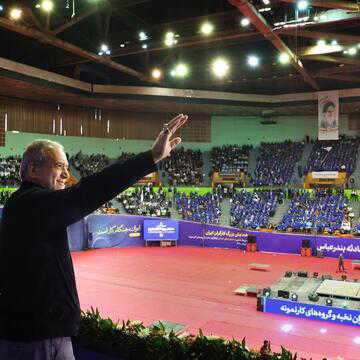
Iran's chief negotiator, Mohammad Bagher Ghalibaf, argued that American military activity and the naval blockade around Iranian ports demonstrated a lack of commitment to de-escalation. Foreign Ministry spokesman Esmaeil Baqaei also stressed that ending hostilities remained Tehran's immediate priority, adding that no substantive negotiations on the nuclear file were currently taking place.
Iran has repeatedly stated that a ceasefire in Lebanon is a prerequisite for any wider agreement designed to end the conflict and restore stability to the region.
Also Read | US says it carried out ‘self-defence strikes’ on Iranian military sites
Fresh military exchanges raise tensions
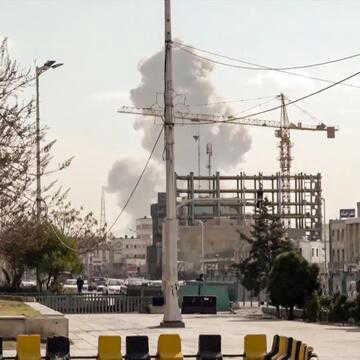
According to News 18, the US military confirmed carrying out what it described as self-defence strikes targeting Iranian radar installations and drone control facilities. According to American officials, the operation was conducted in response to the downing of a US military drone.
Iran's Revolutionary Guard Corps subsequently announced retaliatory strikes against an airbase allegedly linked to the American operation. Although the location was not identified, reports indicated that air defence systems in Kuwait intercepted missile and drone threats during the escalation.
The latest attacks mark another dangerous chapter in a conflict that began in February and has since drawn international attention due to its implications for regional security and global energy markets.
Also Read | Trump wants to join Mount Rushmore? AI post fuels old controversy again
Nuclear dispute and Lebanon offensive complicate diplomacy
According to News 18, the nuclear issue remains one of the major obstacles to any breakthrough. While the United States continues to insist that Iran must never acquire nuclear weapons, Tehran has demanded the release of billions of dollars in frozen assets before engaging in meaningful discussions.
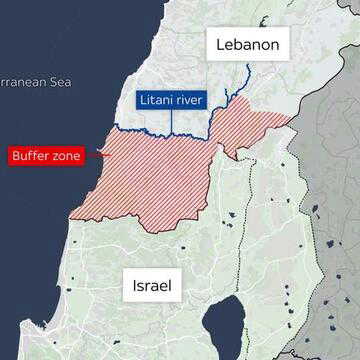
At the same time, Israel's expanding offensive against Hezbollah in Lebanon has added another layer of complexity. Prime Minister Benjamin Netanyahu has vowed to continue military operations, including deeper incursions into Lebanese territory and strikes against what Israel describes as terrorist infrastructure.