India's aviation sector is undergoing one of the fastest expansions in the world. With new airports opening across the country and several more in various stages of planning, air travel is no longer limited to major metropolitan centres. Yet, while some cities are preparing to operate multiple airports, many others continue to wait for their first runway.
The decision to build an airport is not driven by a single factor. Instead, it involves a careful assessment of future demand, economic viability, land availability, regulatory approvals and regional development goals.
Passenger demand remains the starting point
According to News 18, before any airport project receives approval, authorities examine whether a region can generate enough passenger and cargo traffic to sustain operations. Population growth, business activity, tourism potential and existing travel patterns are all studied in detail.
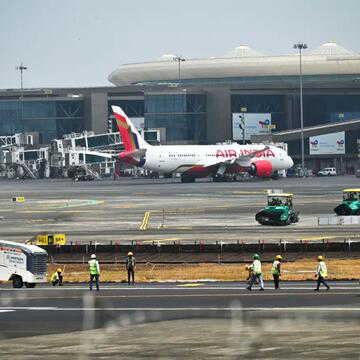
This explains why cities such as Delhi and Mumbai have moved towards operating multiple airports. Existing facilities in both cities have been handling enormous passenger volumes, prompting authorities to develop Jewar Airport in Uttar Pradesh and Navi Mumbai Airport in Maharashtra. Bengaluru is now following a similar path as aviation demand continues to rise.
Importantly, airports are often planned with future growth in mind rather than current requirements. Infrastructure created today is expected to serve travellers for decades.
Also Read | From baggage delays to broken escalators, airports may soon pay the price
Land and policy hurdles shape airport projects
According to News 18, even when demand exists, acquiring land remains one of the biggest challenges. Modern airports require vast stretches of land, making rehabilitation, compensation and environmental clearances critical parts of the process.
Several airport proposals across India have faced delays because of land acquisition issues and local opposition. In many cases, securing suitable land takes longer than constructing the airport itself.
Government policy also plays a significant role. Under India's Greenfield Airport Policy, new airports are generally discouraged within a 150-kilometre radius of an existing civilian airport. However, exceptions can be granted when existing facilities face severe capacity constraints, as seen in Jewar and Navi Mumbai.
Also Read | What is SkyCast system? Delhi airport launches India's first SkyCast system
Airports are increasingly seen as growth engines
According to News 18, the government's regional connectivity push has changed the way airports are viewed. Through the UDAN scheme, airports are being developed not only where demand already exists but also where air connectivity can stimulate economic activity.
Smaller cities are increasingly being considered for aviation infrastructure because policymakers believe airports can attract investment, improve tourism and create employment opportunities. As India's aviation market continues to grow, airport planning is becoming less about serving today's passengers and more about preparing for tomorrow's opportunities.