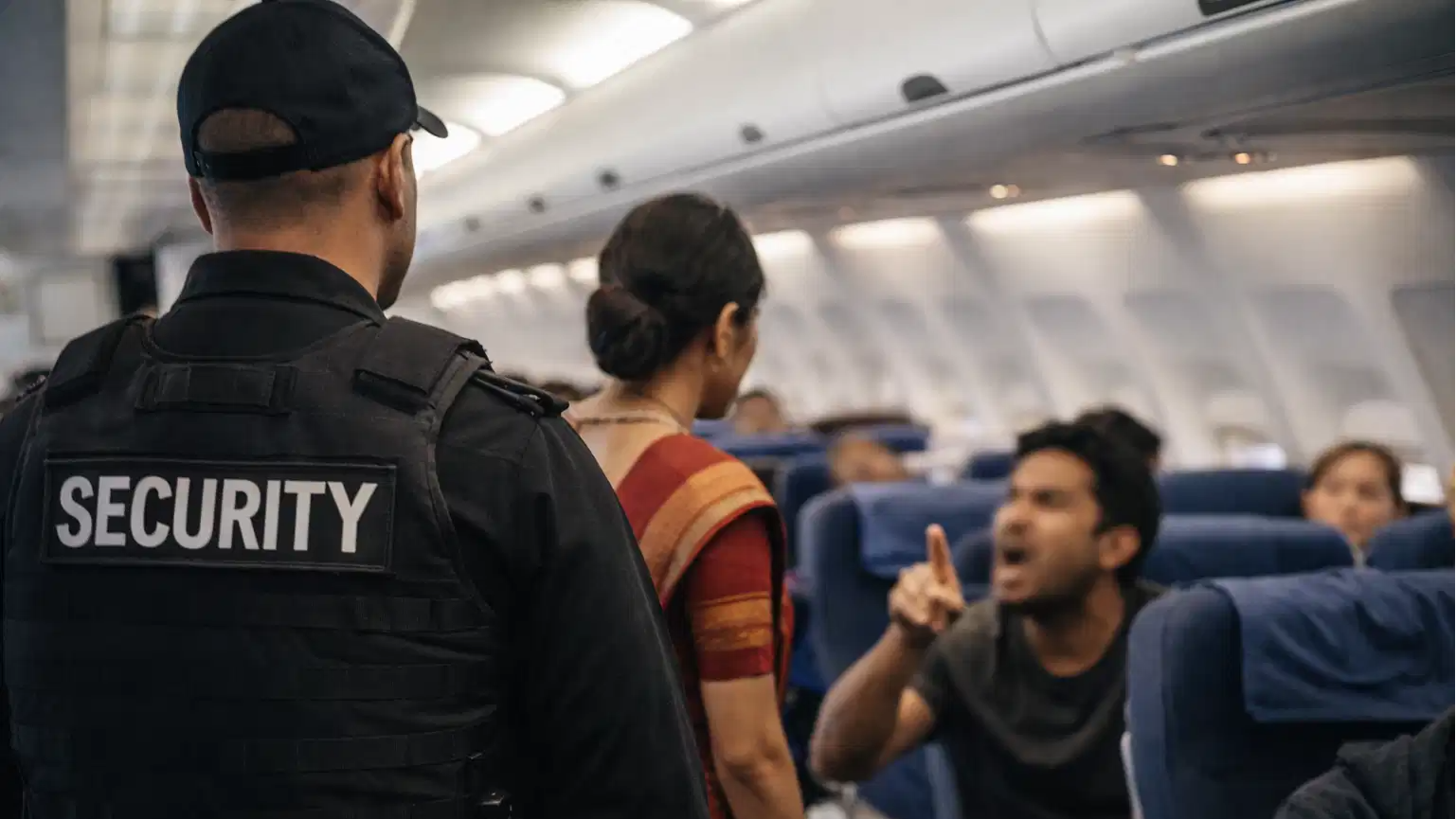
The aviation regulator in India, the Directorate General of Civil Aviation (DGCA), is pressing for major changes to deal with unruly passengers. The draft revised Civil Aviation Requirement (CAR) is a clear indication of a shift towards stricter enforcement and faster action to improve aircraft safety, discipline on aircraft and give airlines more powers to deal with unruly passengers.
A formal 'zero tolerance' approach
At the core of this proposal is what the regulator refers to as a "No/Zero Tolerance Policy". The objective here is straightforward, ensure the safety of aircraft, personnel, passengers and assets, and maintain order from beginning to end.
Also Read | Safety breach? Air India penalised Rs 10 million for operating aircraft without 'airworthiness certificate'
The carriers will have to draw up Standard Operating Procedures (SOPs) to deal with unruly passengers. There will have to be surveillance not only on the aircraft but also at check-in counters, boarding points, airport lounges and other airside areas. The incident will have to be reported to the police as soon as it occurs and also to the DGCA as per the prescribed procedure.
The regulator has also clarified that any indication of unruly behaviour will have to be dealt with firmly but politely, particularly if it is connected to complaints about services.
These regulations will apply to all passengers on flights to or from India, including foreign airlines that report incidents within India's jurisdiction. The proposals are out for the feedback of stakeholders until March 16, 2026.
Faster bans, clearer powers
One of the significant changes allows carriers to impose a flying ban of up to 30 days in specific circumstances without waiting for a decision from an independent committee.
These violations include, for example, smoking on the aircraft, consuming alcohol on domestic flights, using emergency exits incorrectly, or tampering with equipment such as life jackets. In more serious instances, carriers are still able to impose a provisional ban of up to 45 days until the incident is categorised.
Four levels of offences
The proposed framework breaks down misconduct into four levels:
Level 1 handles non-violent but disruptive conducts, such as verbal harassment or becoming unruly from alcohol intake, with bans of up to three months.
Level 2 handles physical violence, including pushing, striking, inappropriate touching, or sexual harassment, with bans of up to six months.
Level 3 handles life-threatening incidents, such as damage to aircraft systems or an attempted murder assault. The minimum ban in this category is two years, with no upper limit.
Also Read | Tata Sons ropes in former aviation secretary as Air India navigates regulatory pressure
Level 4 handles attempts or actual violations of the cockpit, with a minimum ban of two years or more.
National security provisions
Additionally, those identified as a risk to national security by the Ministry of Home Affairs can also be placed on a specific No-Fly List, with only limited recourse.
Cumulatively, the proposed regulations reflect a tougher, more streamlined approach to dealing with misconduct in Indian aviation.