conditions expected between April and June 2026, based on forecasts from the India Meteorological Department. Several regions, including central, eastern, and north western India, are likely to face prolonged spells of extreme heat, raising concerns over public health and safety
The Centre has asked all states and Union Territories to activate heat action plans and strengthen healthcare systems. Hospitals have been directed to prepare for a possible rise in heat-related illnesses by setting up heatstroke units and ensuring essential supplies are available
Authorities are also focusing on preventive measures, including public awareness campaigns, improved water access, and advisories for vulnerable groups. The warning comes amid increasing concerns over climate change and its impact on rising temperatures and health risks across the country
What does the IMD forecast say
As per NDTV reports, the advisory is based on IMD predictions of above-normal heatwave days across multiple regions. States have been instructed to issue early warnings, monitor cases in real time, and ensure coordination between health and disaster management systems
Also Read | Delhi records wettest April since 2008, rainfall keeps heat in check
 IMD X_@Indiametdept
What measures are states taking
States have been asked to improve healthcare readiness, spread early warnings, track heatstroke cases in real time, and activate heat action plans. According to official communication, quick action is important because heatwaves can intensify rapidly and put extra pressure on local health systems if proper preparations are not in place.
As per NDTV reports, states across India are using different strategies to deal with the heatwave threat. Many states have activated heat action plans at the district level, focusing on early warnings and better coordination between departments.
They are also stocking large amounts of ORS, IV fluids, and emergency medicines to treat dehydration and heatstroke cases. Healthcare workers, including doctors and paramedics, are being trained to quickly identify and treat heat-related illnesses.
Digital systems are being used to track heatwave alerts and health data in real time for faster response. At the same time, infrastructure steps like creating shaded areas, improving ventilation, and ensuring water availability in public places are being taken.
How are hospitals preparing itself
One of the main steps is setting up special heatstroke units in hospitals. The Ministry has asked states to make sure important medicines are available, along with ORS and IV fluids. Hospitals should also have cooling items like ice packs and trained staff to handle emergency cases.
As per NDTV, reports say many states have already started these preparations, with hospitals creating special units to treat heatstroke patients. States have also been told to track heatstroke cases using monitoring systems so that quick action can be taken when needed.
Also Read | West Bengal elections phase 2 sees rain play spoilsport, voters turn up with umbrellas
What public safety measures are taken
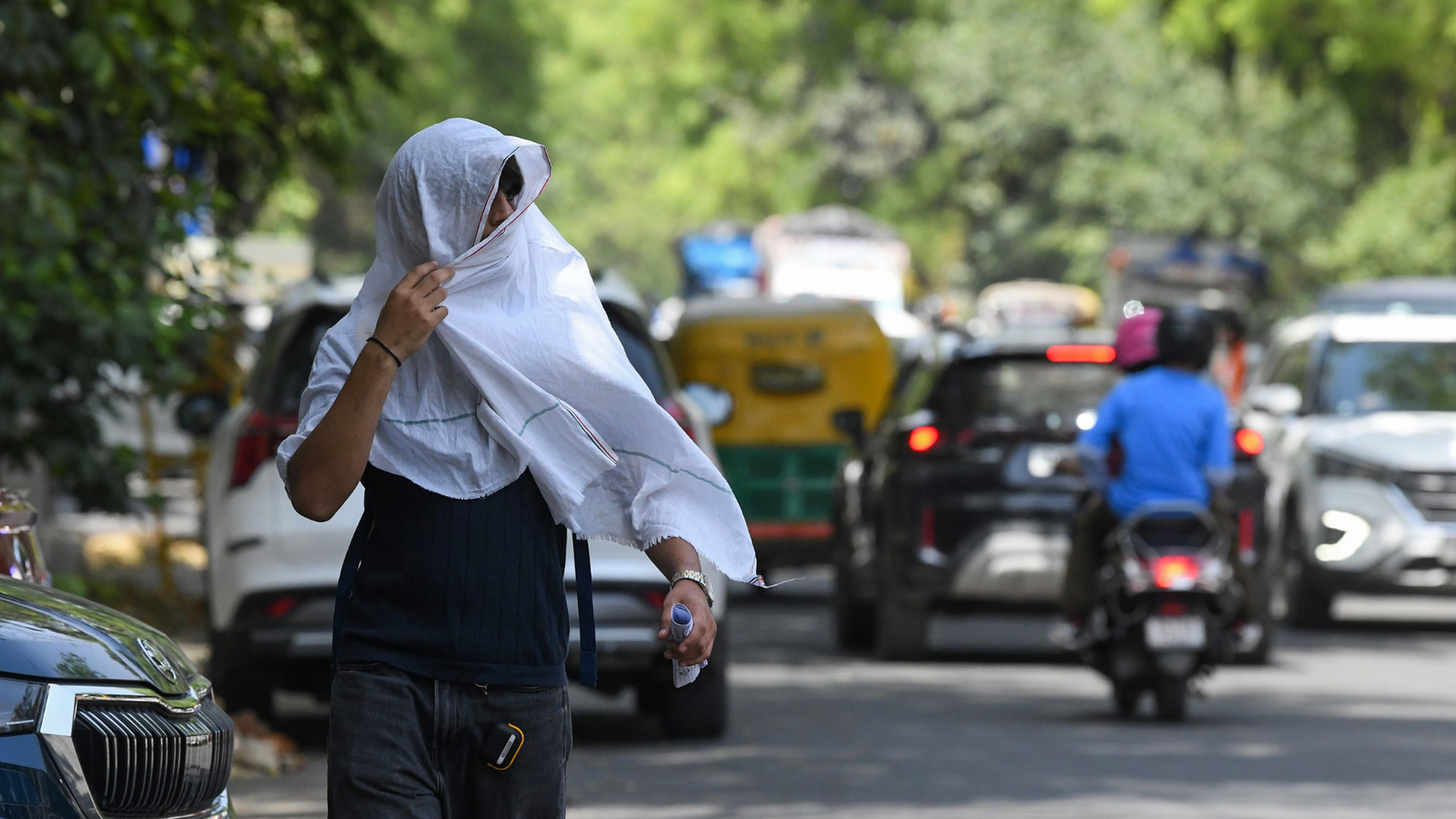
Along with healthcare preparations, the government has also stressed the importance of public awareness and preventive steps. As per NDTV reports, campaigns are advising people to avoid going outdoors during peak afternoon hours, stay hydrated by drinking water and ORS, wear loose and light-coloured clothes, and recognise early symptoms like dizziness and fatigue.
These measures follow the guidelines of the National Disaster Management Authority, which highlight hydration, avoiding midday heat, and wearing breathable clothing. The Centre has also asked states to ensure access to safe drinking water and shaded public spaces, especially for vulnerable groups.
Protection for vulnerable groups and workers
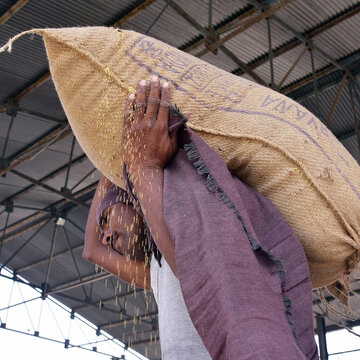
Heatwaves affect some groups more than others, including outdoor workers like those in construction and agriculture, elderly people, children, and those with existing health problems. To reduce risk, authorities have suggested changes in work hours and proper rest breaks for outdoor and factory workers.
At the community level, steps like checking on elderly people, setting up cooling shelters, and providing drinking water kiosks are being encouraged. These measures aim to reduce health risks and prevent deaths caused by extreme heat.
How heatwaves are becoming a major health concern
Heatwaves are no longer just occasional weather events; they have become a serious public health issue linked to climate change. Studies show that extreme heat can cause dehydration, imbalance of body salts, heat exhaustion, and heatstroke. It can also lead to heart and breathing problems, and increase the risk of death.
Experts say that staying in high temperatures for a long time can affect the body’s ability to control heat. This makes early treatment and preventive steps very important during heatwave conditions.
With coordinated efforts from the Centre and states, along with public awareness, India aims to reduce the impact of the expected heatwave season. Health systems, infrastructure, and community support mechanisms are being strengthened ahead of the summer months