May 1, also called May Day, has been observed all over the globe, having two layers of significance. It may be noted that May Day is generally considered as the day of workers worldwide but its historical background dates back to the days when it was celebrated as a seasonal festival to welcome spring.
From spring celebrations to labour movement
Historically, May Day was rooted in European traditions celebrating the onset of spring. Festivals such as the Roman Floralia and the Celtic Beltane marked fertility, renewal and the beginning of a new agricultural cycle.
Also Read | PM Modi’s May tour to Europe and UAE: What’s on the agenda?
However, with the passage of time, the significance of the day started changing. At the end of the 19th century, 1st May came to be identified with labour struggle after the Haymarket Affair in Chicago. An event demanding the adoption of eight hours work schedule took a violent turn after a blast and several lives were lost and labour agitators executed.
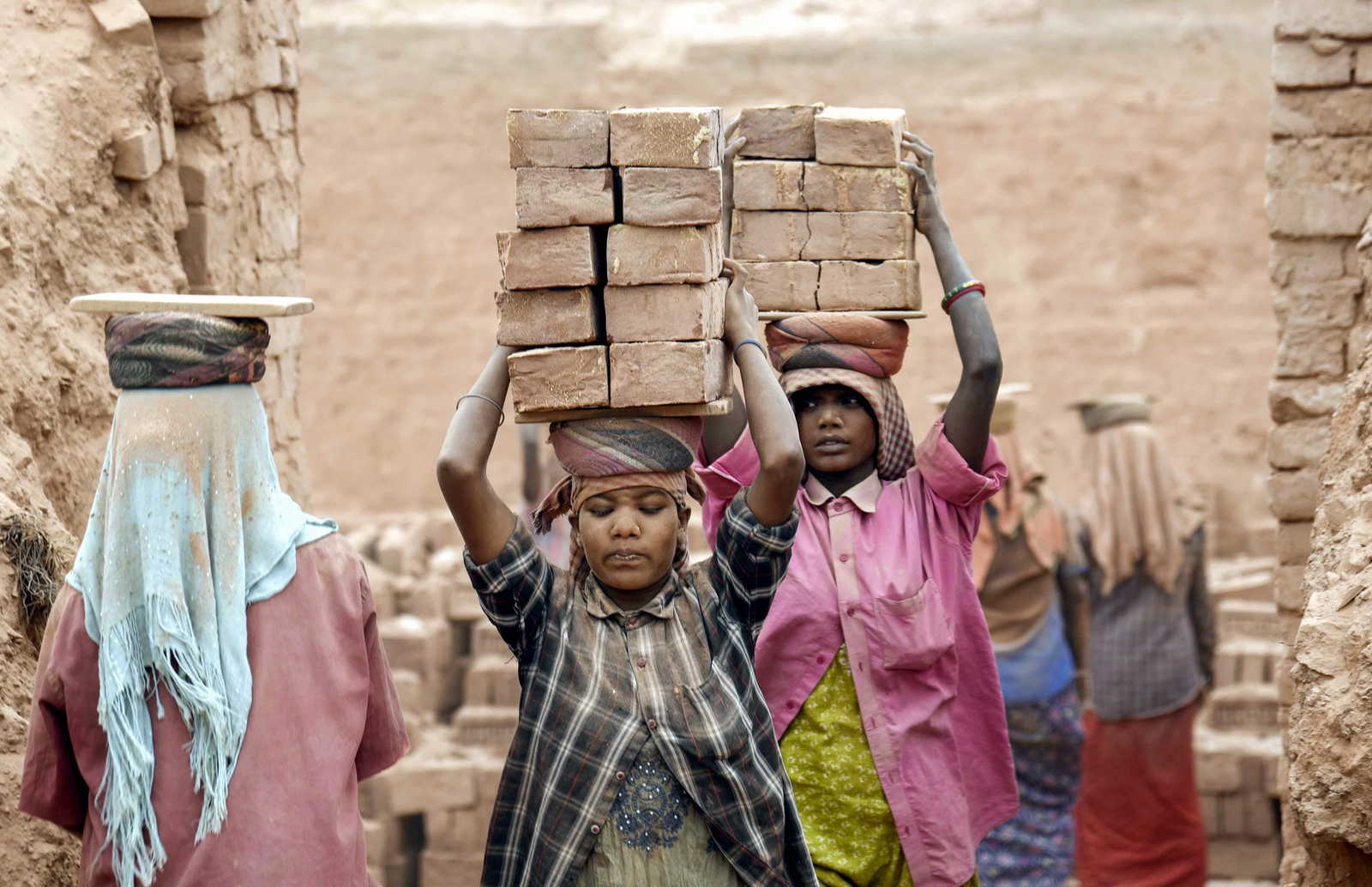 Labourers work at a bricks factory on the eve of Labour Day ANI
 In the year 1889, an international federation of socialist and labour groups formally declared 1st May as International Workers' Day.
The ‘8-8-8’ demand and global observance
There is one main point behind the entire movement and it can be stated as the balance between labour and other activities. The famous slogan adopted by labour leaders for this purpose was – 'eight hours of work, eight hours of sleep, and eight hours for personal use'.
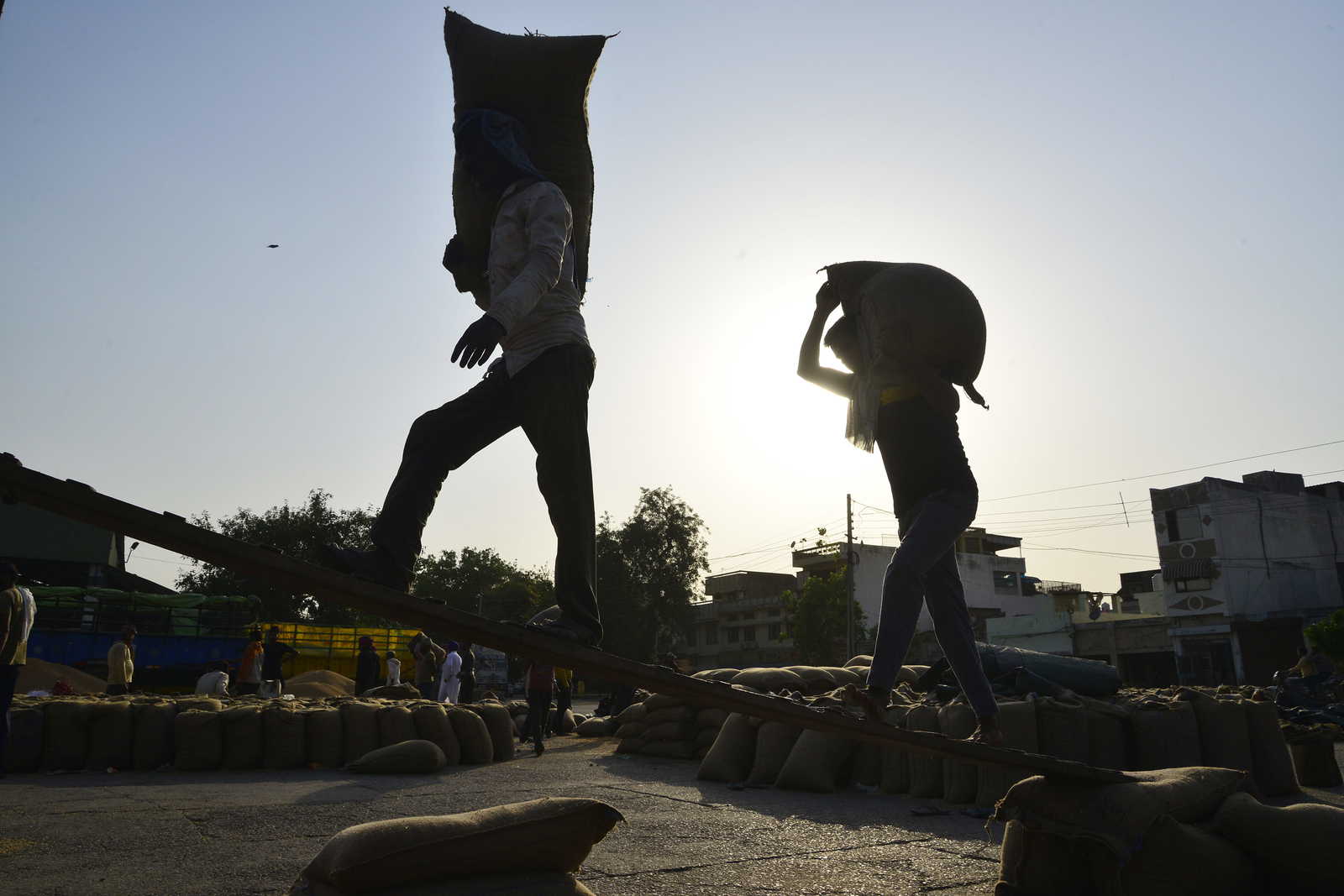 Labourers loading bags of wheat in a truck ANI
 Whereas in many nations, Labor Day is celebrated on 1st May, there are many others which celebrate Labour Day on different days..
How India observes May Day
India’s first May Day celebration took place in 1923 in Madras (now Chennai), led by labour leader Singaravelar. The day is now observed in several states as a public holiday, marked by rallies, union gatherings and discussions on workers’ welfare.
Also Read | Delhi-Mumbai Expressway tragedy: Sudden blaze engulfs taxi, 5 family members killed
In Maharashtra, May 1 also coincides with Maharashtra Day, commemorating the state’s formation in 1960. The overlap makes it a significant public holiday, with institutions such as banks and stock exchanges remaining closed.
Despite sounding similar, “May Day” and “mayday” carry entirely different meanings. While the former relates to labour rights and seasonal change, the latter is an international distress signal used in emergencies.