The results of Punjab's civic body elections have triggered fresh concerns within the Congress, with the party's electoral performance quickly giving way to a debate over leadership, accountability and internal unity ahead of the 2027 Assembly elections.
While the ruling Aam Aadmi Party (AAP) registered a dominant performance across urban areas, Congress leaders found themselves embroiled in a heated discussion during a meeting in Delhi attended by Leader of Opposition Rahul Gandhi and party president Mallikarjun Kharge.
Gidderbaha loss puts spotlight on Warring
One of the biggest talking points was the result in Gidderbaha, considered a stronghold of Punjab Congress president Amarinder Singh Raja Warring. Despite extensive campaigning, the AAP won 17 of the 19 wards in the municipal council, dealing a significant blow to Warring's standing within the party.
Also Read | Karnataka Cabinet portfolios allocated: Shivakumar keeps finance, discontent surfaces
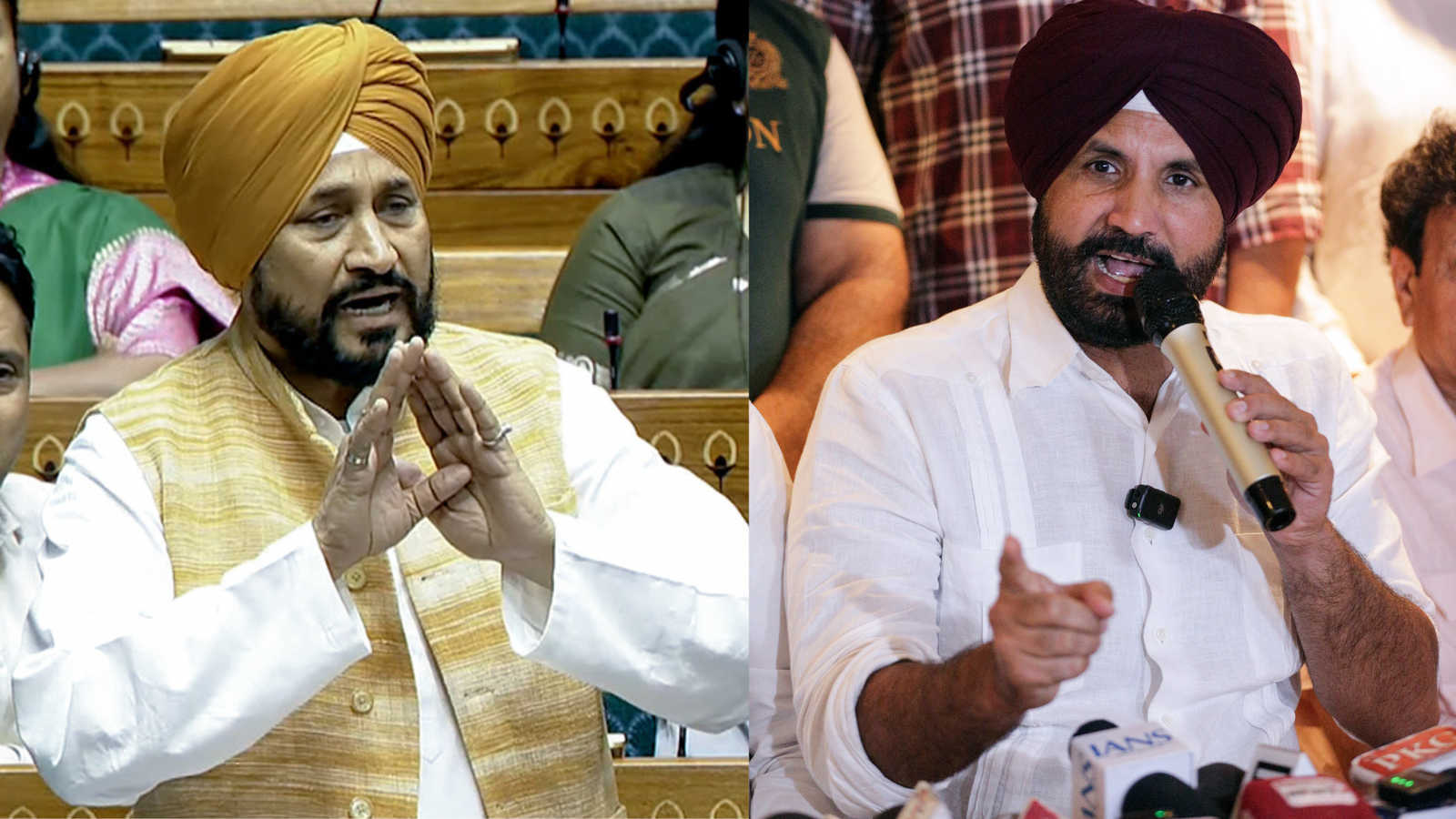
The defeat became a focal point during the Delhi meeting, with Jalandhar MP and former chief minister Charanjit Singh Channi reportedly questioning how the party planned to prepare for the 2027 Assembly elections when its state chief's home turf had been overrun.
Channi's criticism gained attention because of Congress victories in areas linked to his influence, including Chamkaur Sahib and Morinda.
#WATCH | Chandigarh: On speculations of Captain Amarinder Singh's return to Congress, Congress MP Amar Singh says, "... Captain Amarinder Singh is a very senior leader — he has served as Chief Minister and held many responsibilities. We are juniors. If any discussion is needed,… pic.twitter.com/DTYBzenYbc
— ANI (@ANI) June 6, 2026
Leaders clash over poll performance
Per The Indian Express report, Warring defended the party's showing by alleging that the ruling AAP had misused official machinery during the elections. However, the argument faced resistance from within the Congress itself.
Gurdaspur MP Sukhjinder Singh Randhawa reportedly challenged the claim, asking why such alleged misuse had not prevented Congress victories in places like Kapurthala and Chamkaur Sahib.
The disagreement widened as Warring criticised Channi's absence from Punjab during parts of the campaign, while Channi cited personal reasons for not being present. The exchange highlighted long-standing factional tensions within the state unit.
#WATCH | Chandigarh: On Punjab CM Bhagwant Mann, Congress MP Amrinder Singh Raja Warring says, "... He must look at his own record and see what he has done to Punjab. We have nothing to do with Bittu; whether he gets a Rajya Sabha seat or not... Bhagwant Mann's role is to tell us… pic.twitter.com/ZLc7V0uXLs
— ANI (@ANI) June 6, 2026
Bajwa's exit and Baghel's response
The meeting drew further attention after reports emerged that Punjab Assembly Leader of Opposition Partap Singh Bajwa left midway through the proceedings.
Also Read | Rajya Sabha seat allocation puts Vijay-Congress alliance in focus
Congress general secretary in-charge of Punjab Bhupesh Baghel sought to downplay the development and avoided commenting on the internal disagreements. He maintained that local body elections often favour the ruling party.
Bajwa also rejected speculation surrounding his departure.
"I spoke for about 15 to 20 minutes on the situation in Punjab, how the party should function, and the current political scenario… I sought permission to leave and returned to Jalandhar the same night. Reports that I walked out of the meeting or left in anger are completely baseless," Bajwa said on Saturday, per a report by The Indian Express.
Some bright spots amid setbacks
Despite the broader setback, Congress secured notable victories in several pockets. MLA Rana Gurjit Singh retained influence in Kapurthala Municipal Corporation, where the party won 31 of 50 wards. The party also performed strongly in Nawanshahar Municipal Council and remained competitive in Pathankot, Mukerian and Patti.
However, with the civic polls widely viewed as a precursor to the 2027 Assembly elections, the results have once again brought Congress's internal divisions into focus. The outcome has intensified questions about leadership, organisation and the party's ability to present a united challenge in the years ahead.