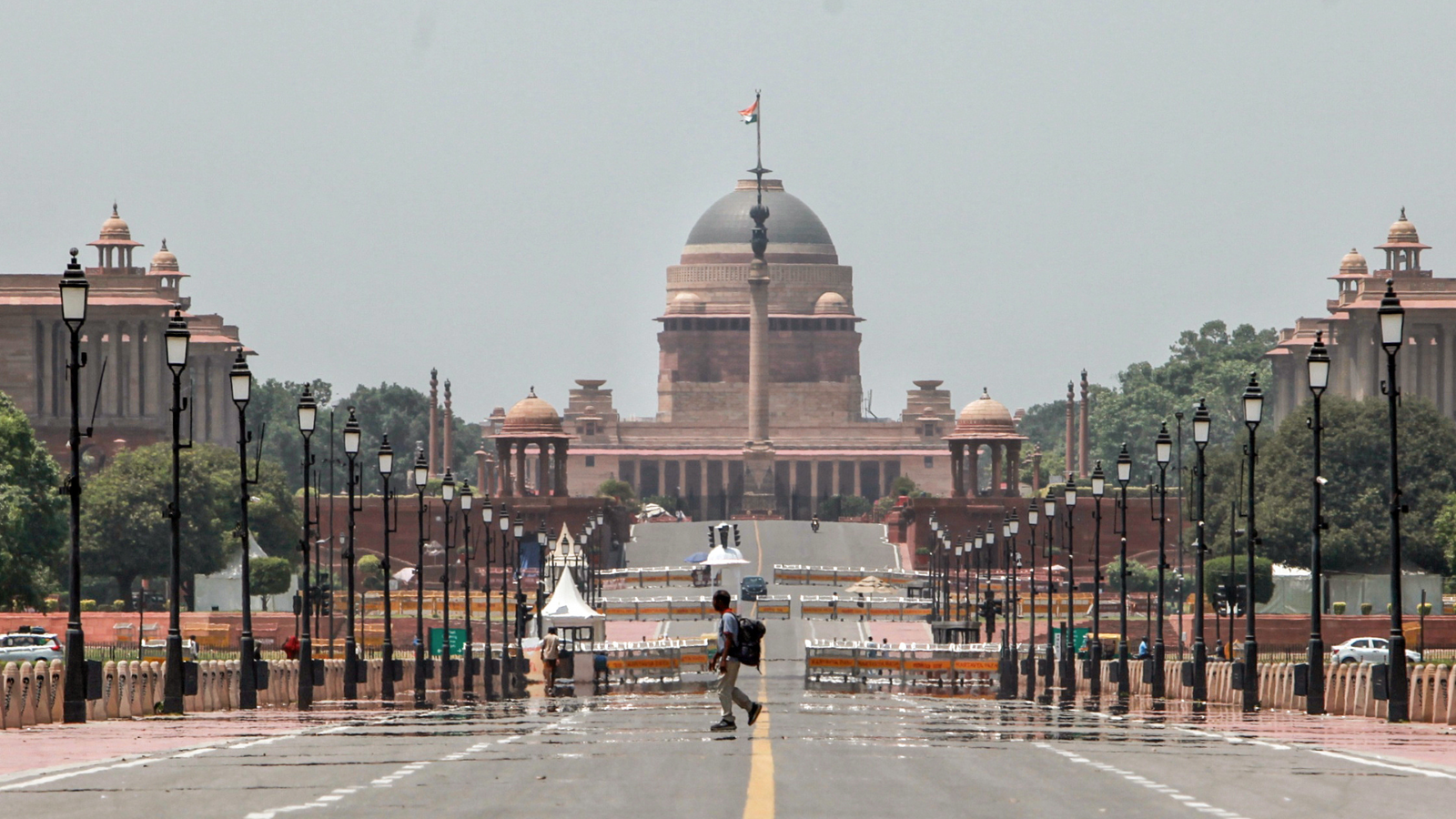
Amid rising temperatures in the capital, Taranjit Singh Sandhu visited the New Delhi Municipal Council Integrated Command and Control Centre at Palika Kendra to review the agency’s readiness to tackle the ongoing heatwave. The visit highlighted the increasing pressure on civic bodies to ensure public safety and maintain essential services during extreme weather conditions.
Focus on coordinated response systems
According to The Times of India, the LG emphasised that the current heatwave presents both a challenge and an opportunity for civic agencies to demonstrate efficiency. He urged departments to adopt best practices that could set a benchmark for other cities dealing with similar climate stress.
Officials briefed him on how the ICCC is actively monitoring water availability across key facilities such as schools, hospitals, dispensaries, service centres and public parks. Authorities are using real-time data to ensure that shortages are identified and addressed quickly.
Emergency measures and staff safety
To strengthen response mechanisms, NDMC has deployed a dedicated doctor at the command centre to handle heat-related emergencies. The civic body has also issued instructions to multiple departments, including sanitation, horticulture and engineering wings, to step up preparedness.
Measures include ensuring the availability of drinking water, ORS packets and protective gear for both residents and field staff. Working hours for outdoor workers have been adjusted to reduce exposure during peak heat hours, a step seen as crucial in preventing heatstroke and related illnesses.
Also Read | Protests erupt at Jamia Milia Islamia over RSS-linked campus event
Technology-driven urban management
The ICCC, set up under the Smart City Mission in 2020, has become a central hub for managing civic services in the NDMC area. It integrates more than 49 services, including waste management, street lighting, parking and sewage systems.
Advanced tools such as GIS mapping, SCADA systems and GPS-enabled tracking have improved operational efficiency and response times. Officials said these technologies allow for better coordination across departments, making the system more resilient during crises like heatwaves.
Also Read | Delhi deer park to shrink—why are animals being moved out?
The review underscores the importance of technology-backed governance as Delhi braces for prolonged periods of extreme heat, with authorities aiming to minimise disruption and safeguard public health.