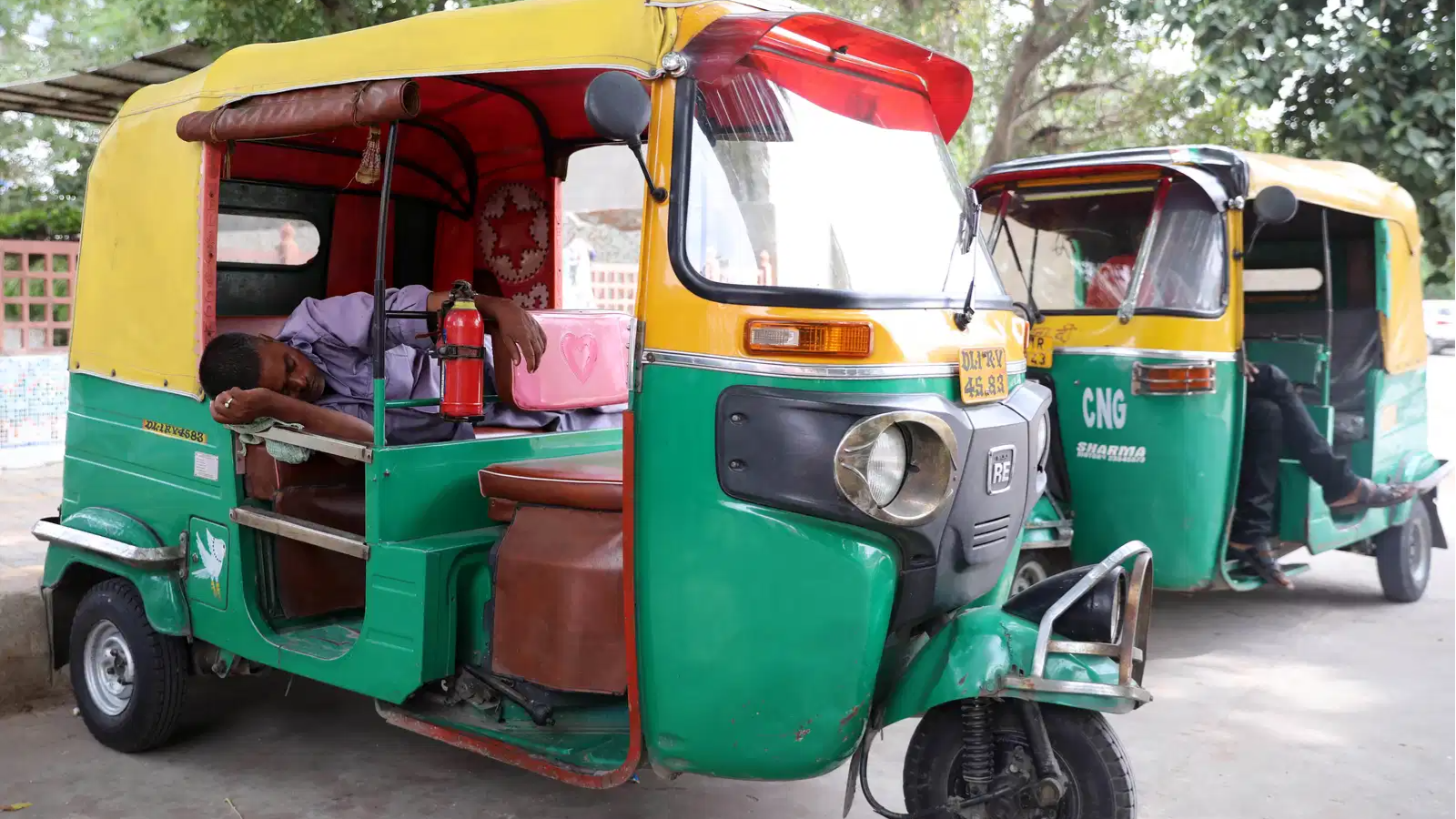
Commuters across Delhi-NCR may face transport disruptions over the next three days as commercial vehicle unions launched a strike demanding a revision in fares amid rising fuel prices and increasing operating costs.
The protest began on May 21 and is expected to continue till May 23. More than 68 transport unions under the banners of the All India Motor Transport Congress (AIMTC) and the United Front of All Transport Associations (UFTA) are participating in the “chakka jam” protest.
What is behind the strike?
Transport unions say taxi and auto fares in Delhi-NCR have not been revised for nearly 15 years despite repeated increases in petrol, diesel and CNG prices, per a report by Hindustan Times.
Drivers claim that rising expenses linked to fuel, insurance, vehicle maintenance, permits and loan EMIs have made it difficult to sustain earnings.
Also Read | Railways launches new Bengaluru-Mumbai express: Route, fare details
Petrol in Delhi currently costs Rs 98.64 per litre, diesel Rs 91.58 per litre and CNG Rs 80.09 per kg after multiple hikes in recent days.
“We are working shifts of twelve or ten hours, yet we still cannot make ends meet,” Chalak Shakti Union vice-president Anuj Kumar Rathore told HT.
Several drivers also said commissions charged by app-based aggregators such as Ola, Uber and Rapido have further reduced their daily income.
Commercial vehicle drivers in Delhi will observe a three-day strike from May 21 to May 23. Unions have cited that taxi fares in the Delhi-NCR region have not been increased for the past 15 years, and the rising prices of CNG, petrol, and diesel as the reason for the strike.
— ANI (@ANI) May 19, 2026
A… pic.twitter.com/f6z0hejRUZ
Why are fuel prices rising?
Fuel prices in India have increased twice within a week. Oil marketing companies first raised petrol and diesel prices by nearly Rs 3 per litre on May 15, followed by another hike of around 90 paise per litre on May 20.
CNG prices in Delhi also increased by Rs 3 per kg after two hikes earlier this week.
Also Read | Why did Delhi’s power demand cross 8,000 MW so early this year? Here's what we know
The latest rise in fuel prices has been linked to increasing global crude oil prices amid tensions in West Asia, particularly the conflict involving Iran and disruptions around the Strait of Hormuz, a key global oil shipping route.
Crude oil prices had surged above $120 per barrel earlier this month before stabilising around the $100-105 range.
#WATCH | Delhi | Visuals from New Delhi railway station as Taxi and Auto Unions have announced a three-day strike from 21-23 May in Delhi, demanding an immediate hike in their fares amid the rising fuel prices. pic.twitter.com/o9XRuBkrba
— ANI (@ANI) May 21, 2026
What are the unions demanding?
The transport unions have sought an immediate fare revision for taxis and autos, rollback of the Environment Compensation Charge (ECC) hike and reconsideration of the proposed ban on BS-4 and older commercial vehicles entering Delhi-NCR from November 2026.
The unions have also demanded stricter regulation of app-based cab aggregators and relief from rising operational costs.
Also Read | What is ULPGM-V3 missile? DRDO tests UAV-launched precision weapon with dual strike capability
Which services may be affected?
The strike is expected to affect app-based cab services such as Uber, Ola and Rapido, auto-rickshaw operations and commercial taxi services across Delhi-NCR.
Passengers may face fewer vehicles on roads, longer waiting times and higher surge pricing during peak hours. Delhi Metro and DTC bus services, however, are operating normally.