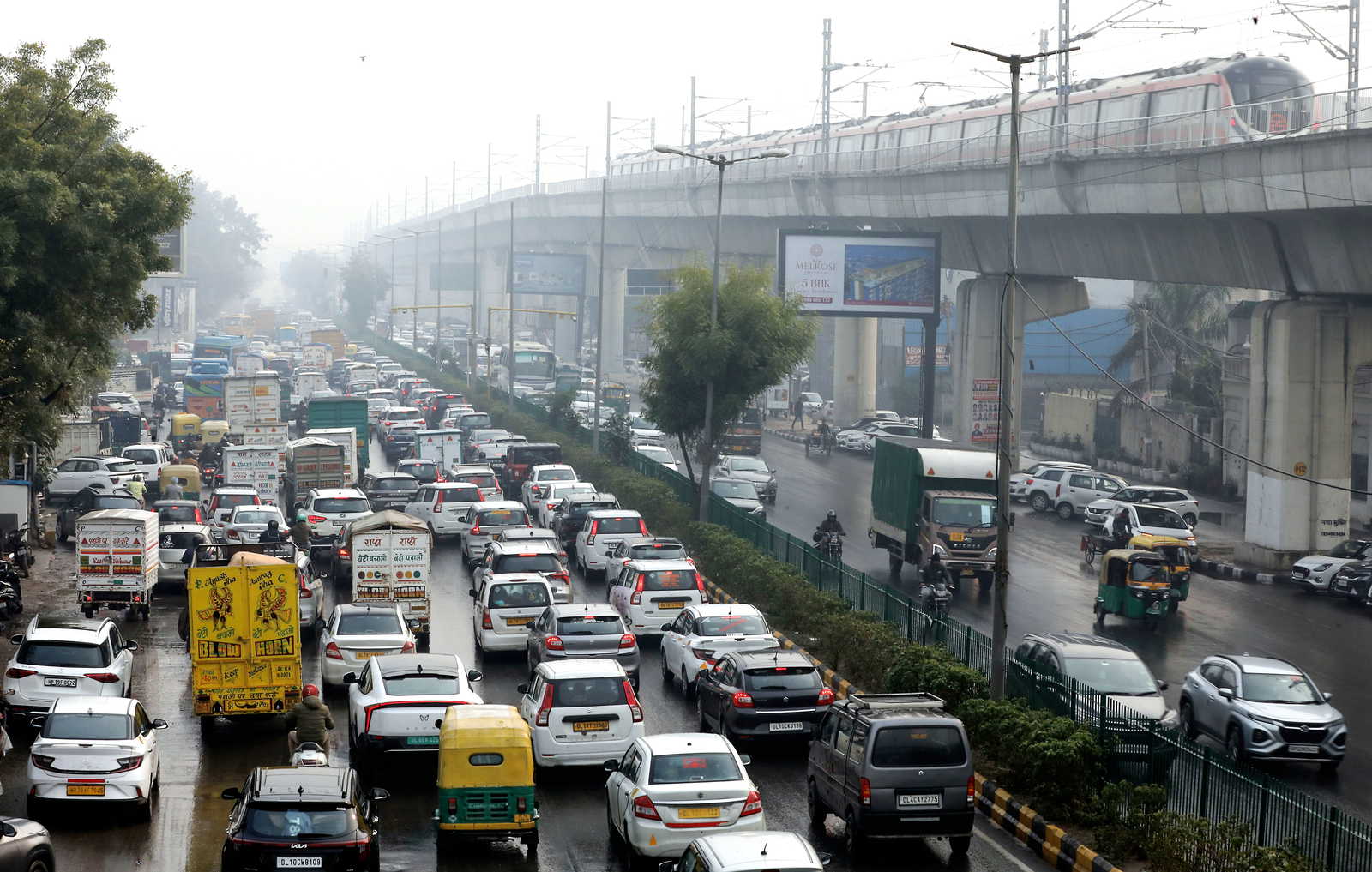
Delhi has unveiled its draft Electric Vehicle Policy 2026, outlining a major shift towards electric mobility in the coming years. The policy proposes that only electric three-wheelers will be registered from January 2027, while new petrol two-wheelers will no longer be registered from April 2028. If implemented, Delhi will become one of the first major cities in India to set a clear timeline for phasing out petrol-powered two-wheelers in new registrations. The move is part of a broader effort to reduce vehicular pollution and improve air quality in the capital. The policy highlights that two-wheelers make up around 67 per cent of the total vehicle population in Delhi. This makes their electrification a key step in achieving meaningful reductions in emissions.
Incentives and transition plan
To support the shift, the government has proposed financial incentives for buyers. A scrapping incentive of Rs 10,000 will be offered for Delhi-registered BS IV and older two-wheelers. However, this benefit will be available only if the new electric two-wheeler is purchased within six months of receiving the Certificate of Deposit from an authorised scrapping facility. The policy also plans to phase out CNG-powered three-wheelers alongside petrol two-wheelers. From January 2027, only electric three-wheelers will be allowed for new registrations. These steps are aimed at creating a gradual transition rather than a sudden change, giving both consumers and manufacturers time to adapt.
Also Read | 'History will record unfairness': Justice Yashwant Varma hits out at probe before resigning
What it means for commuters
If the policy is implemented, it could significantly change how people commute in Delhi. Two-wheelers are one of the most common modes of transport in the city, and a shift to electric options could help reduce pollution levels.
Also Read | ‘Very disturbing’: India expresses concern after 303 killed in one day in Lebanon
At the same time, it may also bring challenges such as the need for better charging infrastructure and higher initial costs for buyers. The government is expected to address these concerns through further incentives and policy support. Overall, the draft policy signals a strong intent to move towards cleaner mobility, with a clear roadmap for reducing dependence on petrol vehicles in the coming years.