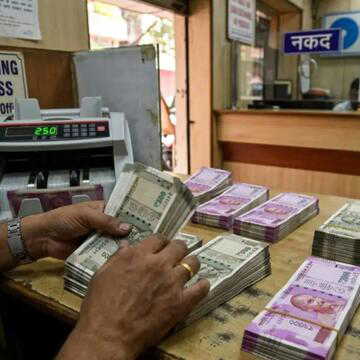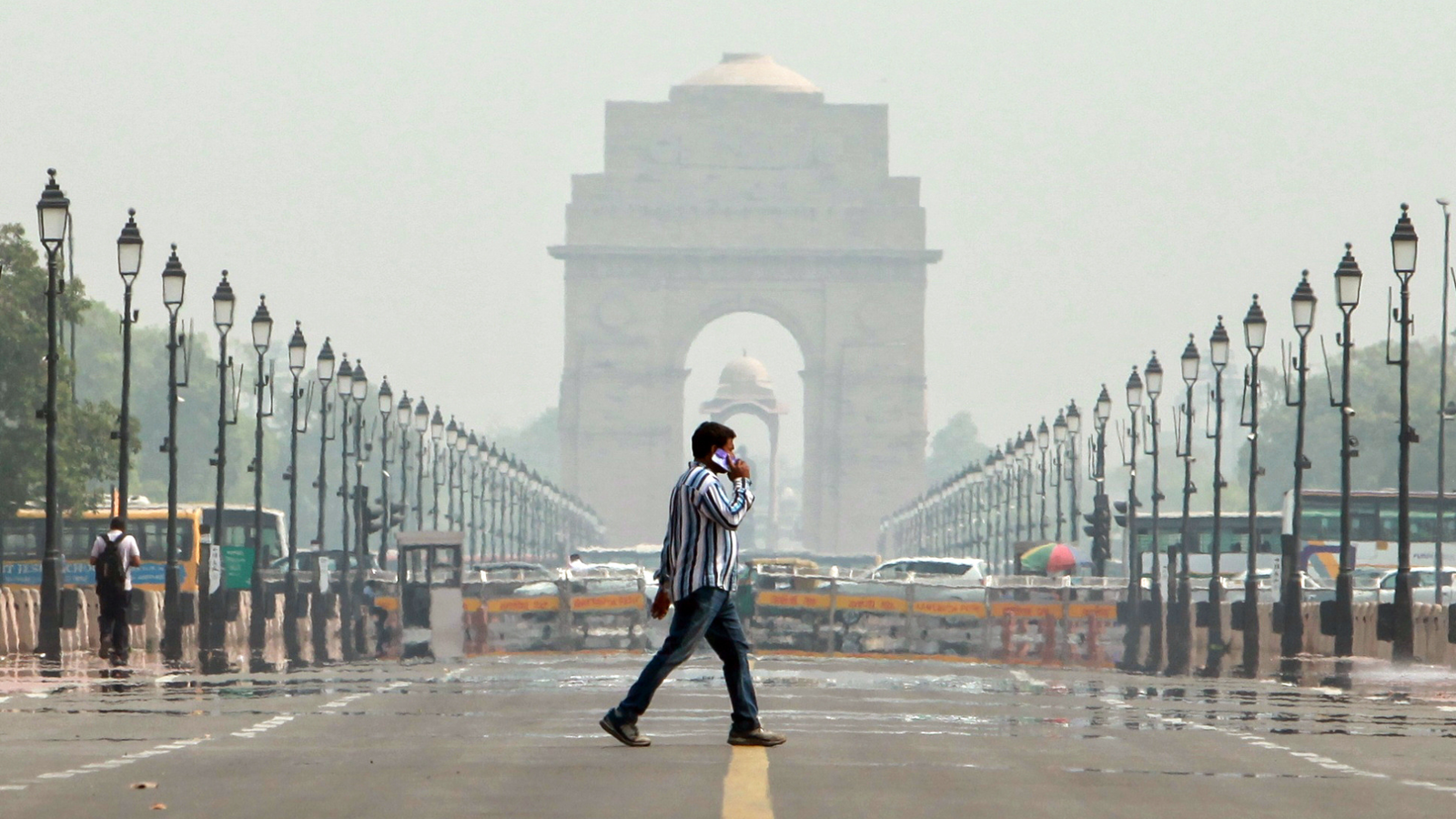
Residents and small businesses in Delhi may soon face steeper fines for civic violations, as the Jan Vishwas (Amendment of Provisions) Bill, 2026, proposes a shift from low penalties to a structured, penalty-based system. The Bill, tabled in Parliament on Friday, amends provisions under the Delhi Municipal Corporation (DMC) Act, 1957, and the New Delhi Municipal Council (NMDC) Act, 1994.
“The aim is to rationalise outdated provisions and promote ease of living and doing business by shifting to a penalty-based system,” said an MCD official.
Several civic offences will see a sharp increase in penalties. Failure to remove filth, currently fined at ₹50, will first attract a warning and ₹500 for subsequent violations. Public urination or nuisance may now draw a ₹500 fine, up from ₹50.
Other penalties are also being revised. Letting a dog roam without a leash could cost ₹1,000 instead of ₹50, while defacing a house number will attract a similar fine. Occupying a building without a completion certificate or failing to vacate a dangerous structure will see fines rise from ₹200 to ₹1,000. Unauthorised structures obstructing streets may invite penalties between ₹100 and ₹5,000.
Also Read | Two Indian LPG ships push through Strait of Hormuz; Iran clears six so far
Impact on livelihood activities
The amendments also target licensing violations. Running food stalls without a licence may now attract ₹1,000, up from ₹100. Hawking or operating as a butcher, fishmonger or poultry seller without permission will see fines increase to ₹200 from ₹100.
Penalties for tethering animals or milking cattle on public streets will rise tenfold to ₹1,000, while violations related to keeping animals will cost ₹200. “In several cases, daily fines are proposed to be replaced with one-time penalties. For instance, using unlicensed slaughterhouses or markets, earlier attracting ₹500 plus daily fines, will now incur a flat ₹500 penalty,” the official said.
Decriminalisation and NDMC changes
The Bill removes the possibility of imprisonment for minor offences. Provisions such as jail terms for municipal sweepers leaving duty without notice and breaches of bye-laws will be replaced with monetary penalties. Some minor violations, including dumping rubbish in streets and washing clothes at unauthorised places, are proposed to be decriminalised entirely.
Also Read | LPG vs LNG: What sets them apart — and why it matters in India’s gas crisis
Similar changes are proposed under the NDMC Act, where 145 provisions have been decriminalised. These include 68 cases in which fines or imprisonment are converted into penalties and 26 cases in which penal clauses are removed.
Under NDMC rules, first-time violations like hawking without a licence may invite a warning, followed by a ₹200 penalty. Running eateries without a licence may attract ₹1,000, while misuse of domestic water supply for commercial purposes could cost ₹1,000 after an initial warning.
The amendments also propose adopting the Unit Area Method for property tax, replacing the annual rental value system. “This is aimed at reducing the upper tax rate from 30% to 20%, offering relief to property owners,” an NDMC official said.
Officials said the revised framework seeks to balance stricter enforcement with reduced criminal liability.