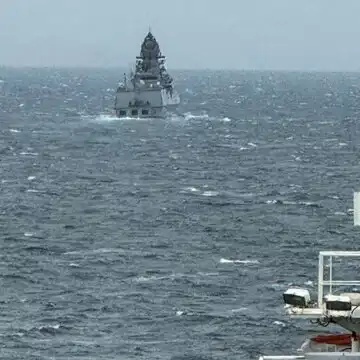
The disruption in the shipping routes via the Strait of Hormuz, due to the ongoing conflict in the region, has started to impact India’s energy supplies, where the impact on LPG will be more significant compared to LNG.
India’s dependence on imported supplies has made LPG more susceptible to the situation. In India, around 60% of the demand for LPG is met through imported supplies, out of which 90% is transported via the Strait of Hormuz, thus making around 54% of India’s LPG supplies vulnerable.
On the other hand, the impact on India’s LNG supplies, though significant, will be lower. India meets around half of its natural gas demand through imported supplies, where 55-60% of the supplies are transported via the Strait of Hormuz, thus making around 30% vulnerable.
In order to overcome the shortage, the government has started to prioritise the supply of LPG for household use, while cutting back on supplies for commercial or industrial use.
ALSO READ | Why is Russia halting gasoline exports from April 1? Here’s what it means for global oil markets
LPG vs. LNG : What makes them different
Both LPG and LNG are hydrocarbon-based gas forms of the same family, which have been liquefied for the sake of storage and transportation. However, there is a great difference in the composition and usage of both the fuels.
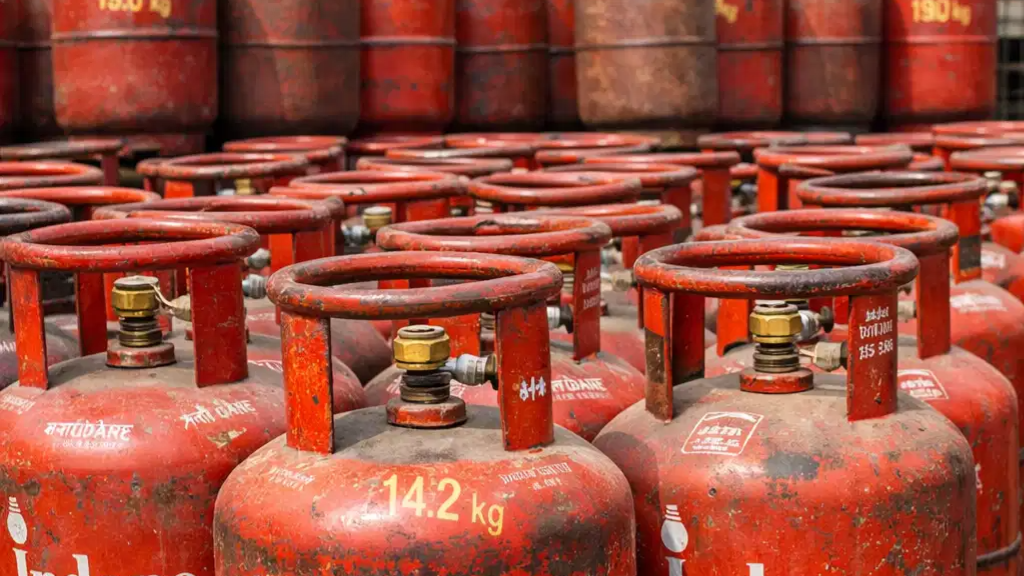
LPG is a mixture of both propane and butane. In general, it is obtained as a by-product of crude oil refining and also of the processing of natural gas. LPG is easily liquefied by the applying moderate pressure. The fuel is commonly employed for domestic and small-scale industrial needs. LPG is easily portable in the form of cylinders and is thus easily accessible in remote and hard-to-reach places.
LNG is the short form for 'Liquefied Natural Gas.' LNG is prepared by the refrigeration of methane gas to the temperature of -160 degrees. This drastically reduces the volume of the gas, and it becomes easier to transport the gas to places where the construction of pipelines is not possible.
ALSO READ | Are petrol and LPG supplies at risk? Govt issues fresh clarification
Why LPG is more vulnerable
The greater impact of the disruption in the supply of LPG compared to LNG is because of both logistics and consumption factors. First, while LNG is regasified and then piped for distribution, LPG is shipped in cylinders and therefore dependent on the continuity of shipping and road transport networks.
In addition, India has a much larger number of consumers of LPG, at over 33 crore domestic connections, compared to 1.5 crore households that are connected to piped natural gas (PNG).
Lastly, the model of storing and distributing LPG makes it more difficult to switch over compared to LNG. Once regasified, LNG has the flexibility of being diverted across sectors through a piped network.
Promoting PNG, curb on LPG use
In the face of the supply crunch, the government stepped in with several measures. While the supply of LPG for domestic use continues unabated, the use of the fuel in the industrial and commercial sectors has been restricted.
The government has asked the city gas companies to accelerate the supply of PNG, offering incentives like free usage charges. The government has asked the city gas companies to offer free usage charges for PNG. The government has asked the refineries to produce more LPG, even by using the raw material meant for petrochemicals. As a result, the production of LPG in the country has increased manifold.
Safety and convenience factors
LPG and LNG differ in safety and convenience factors too. While LPG is denser than air, LNG or natural gas is less dense. LNG disperses immediately, thus offering greater safety. The chances of fire, which can occur in the case of leaks, are less in the case of LNG. PNG, derived from LNG, offers the advantage of constant supply, unlike the need for constant refilling of cylinders.