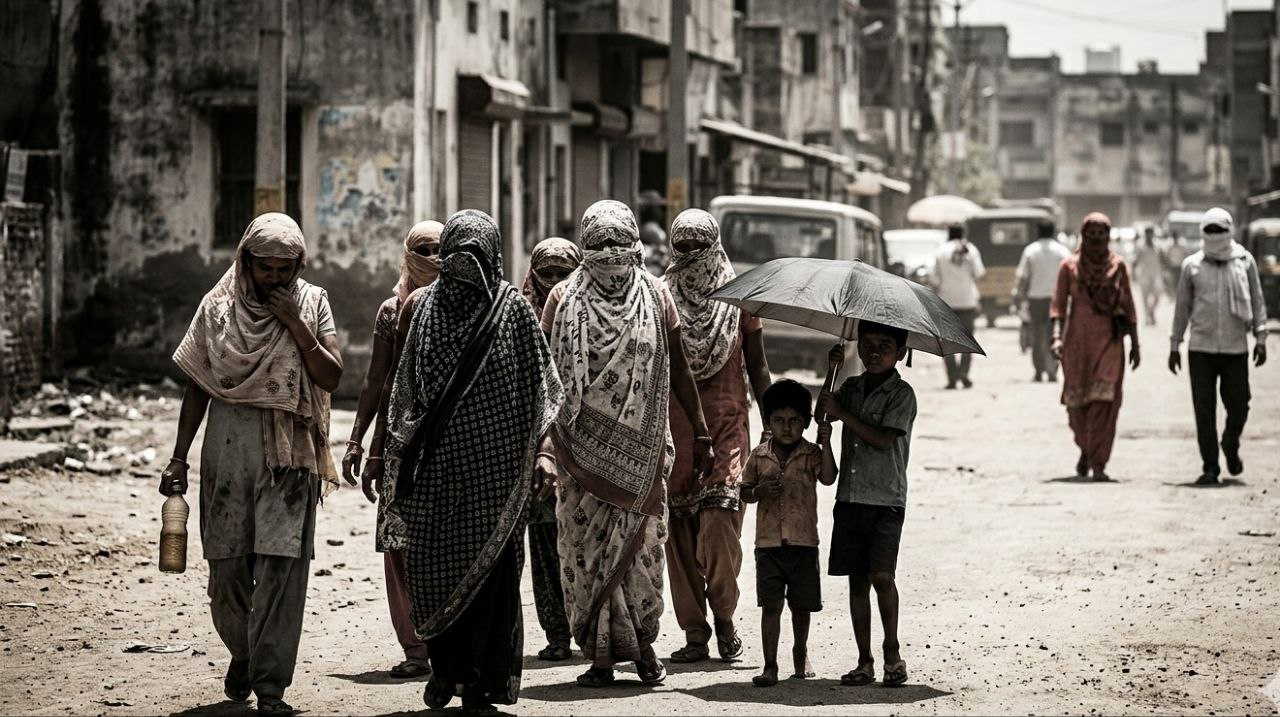
India is expected to face more intense heat this week, with daytime temperatures likely to increase by 3–4 C. Many regions are already experiencing severe heatwave conditions, and in some places, temperatures may rise up to 46 C, making the weather extremely harsh and uncomfortable for daily life.
The India Meteorological Department (IMD) has issued orange and yellow alerts for several states, including Delhi, Uttar Pradesh, Rajasthan, Punjab, Bihar, Gujarat, and Maharashtra, for the period from May 18 to May 24 due to severe heatwave conditions. In Delhi, temperatures are likely to remain extremely high, with heatwave conditions expected between May 19 and May 22 and mercury possibly touching 45 C. Authorities have advised people to take necessary precautions, such as staying hydrated, avoiding outdoor activities during peak afternoon hours, and following heat safety guidelines to reduce health risks.
Which regions are most affected by the ongoing heatwave in India?
As per News18 reports, temperatures across many parts of India are already staying in the range of 40–45 C, with Banda in Uttar Pradesh recording a peak of 46.4 C on Sunday. This extreme heat is severely affecting normal daily life and making outdoor activities difficult for people in many regions.
Also Read | Delhi auto, taxi drivers to go on three-day strike from May 21 over fare hike demand
According to the weather department, maximum temperatures in several areas are 5–6 C above normal, leading to strong heatwave conditions. Officials have warned that the situation could turn even more severe in eastern Uttar Pradesh if the temperature deviation crosses 6.5 C, and prolonged exposure to such heat may cause heat-related illnesses and worsen existing health problems.
Expect more due to El Ninohttps://t.co/GEBrQzHBbZ
Shankubra (@shankubra) May 18, 2026
Why are night temperatures staying so high in Rajasthan and Vidarbha?
Night temperatures are also staying unusually high, with mercury hovering around 29–30 C in parts of Rajasthan and Vidarbha. This makes the heat more exhausting even after sunset, increasing discomfort and health risks for people.
As per News18 reports, the IMD has warned that maximum temperatures may rise by 2–3 C across many parts of Northwest India from May 18 to May 24, and by 3–4 C in Chhattisgarh till May 21. “A gradual rise in maximum temperatures by 2-3 C is likely over many parts of Northwest India from May 18 to May 24, and by 3-4 C over Chhattisgarh till May 21," warned IMD. IMD has also urged people to stay hydrated, drink water even if not thirsty, avoid prolonged exposure to the sun, and cover their heads and wear lightweight clothes.
What precautions should farmers take to protect crops from heat stress?
As per News18 reports, experts have warned that extremely high temperatures can increase the risk of heat-related illnesses, especially for people who are exposed to the sun for long hours or engaged in heavy physical work. Vulnerable groups such as infants, elderly people, and those with chronic diseases are at higher risk and need extra care during the ongoing heatwave.
Also Read | Number plate tampering, hidden FASTags: How users are dodging barrier-less toll system
Farmers across India have been advised to take special care of crops and livestock to reduce damage from the ongoing heatwave. They are being encouraged to use light and frequent irrigation for vegetables, orchards, and onion nurseries, while ensuring proper watering for crops like sugarcane, cotton, and summer fodder to prevent losses. Covering poultry shed roofs with grass has also been suggested to protect animals from heat stress.
Meanwhile, heat conditions are becoming more intense across the country, along with rising concerns about El Niño. At the same time, the southwest monsoon is advancing, having already reached the Andaman and Nicobar Islands on May 16, and is expected to arrive over Kerala around May 26, indicating early progress despite warnings of possible rainfall deficits later in the season.
However, the IMD has warned that the upcoming four-month monsoon season may bring below-normal rainfall if El Niño conditions develop in July. This could impact agriculture, water availability, and overall weather patterns across the country in the latter part of the season.