The National Highways Authority of India’s push towards seamless toll collection has hit an early hurdle in Delhi, with reports emerging that some commuters are finding ways to bypass the city’s newly launched barrier-less toll system.
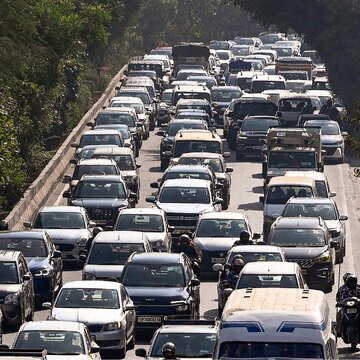
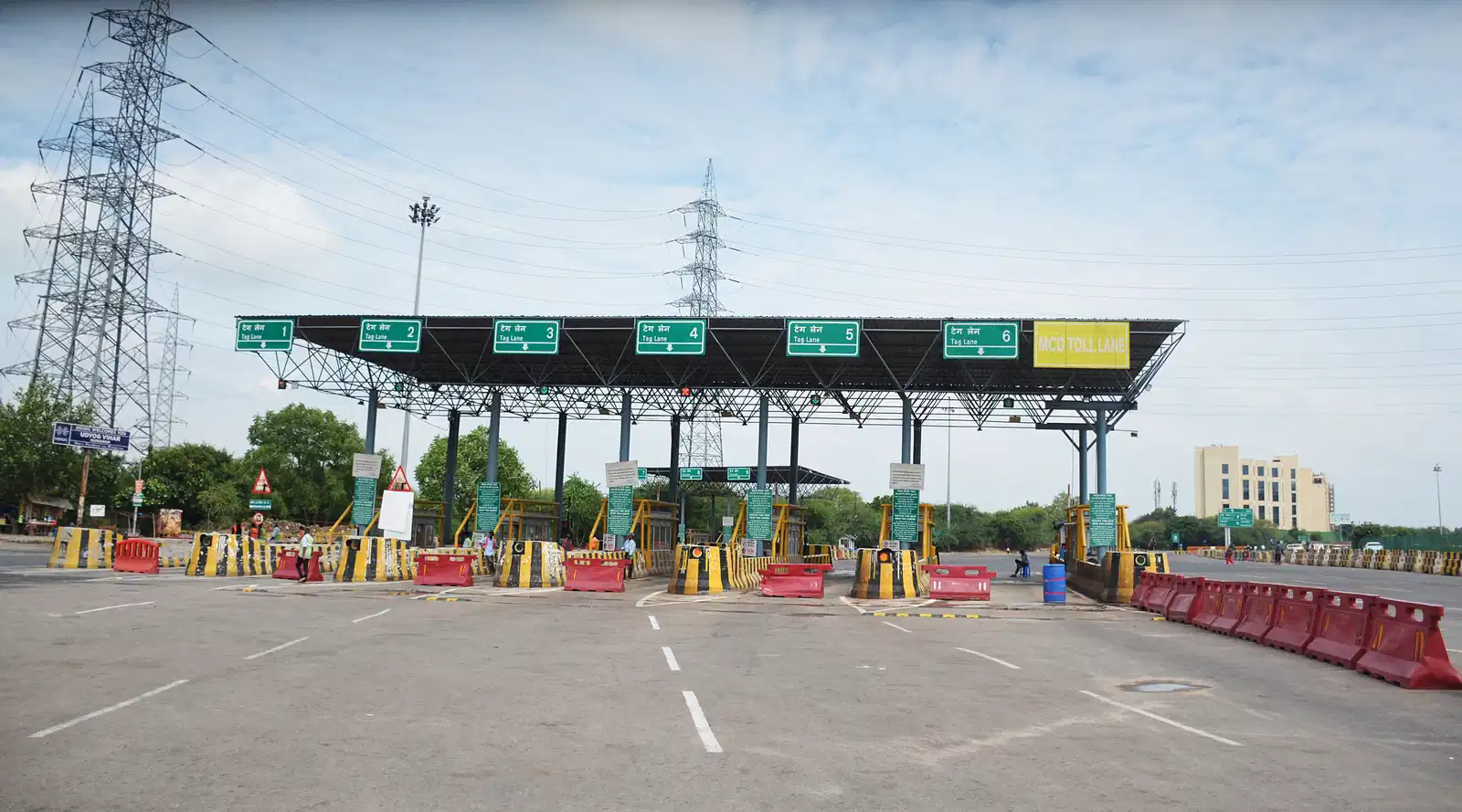
The issue has surfaced days after the inauguration of Delhi’s first Multi-Lane Free Flow (MLFF) toll plaza on the Mundka-Bakkarwala stretch of Urban Extension Road-II (UER-II). The system was introduced to eliminate long queues at toll plazas by allowing vehicles to pass through without stopping.
Also Read | Petrol, diesel prices hiked again: Check latest rates in Delhi, Mumbai, Kolkata
How the smart toll system works
The barrier-less setup relies on high-performance RFID readers and Automatic Number Plate Recognition (ANPR) cameras installed overhead. The system identifies vehicles through FASTag data and number plate recognition technology before automatically deducting toll charges from linked accounts.
Commuters at Mundka“Bakkarwala Toll Plaza on UER-II, Delhi are experiencing faster, seamless and hassle-free travel with the Multi Lane Free Flow (MLFF) Tolling System.
— NHAI (@NHAI_Official) May 18, 2026
Watch how MLFF is transforming highway travel through smarter and technology-driven tolling, enhancing pic.twitter.com/coJGPlcwTt
The technology is aimed at reducing congestion, lowering travel time and improving fuel efficiency on busy corridors.
However, according to reports, the same technology is now facing enforcement challenges because it depends heavily on accurate vehicle identification.
Number plate tricks and missing FASTags
Officials have flagged multiple methods allegedly being used by commuters to avoid paying toll charges.
One of the major concerns involves tampering with High Security Registration Plates (HSRP), making it difficult for cameras to accurately read vehicle details. Obscured or non-standard number plates can interfere with the ANPR system and prevent automatic deductions.
🛣ï Tolling reimagined with Multi Lane Free Flow (MLFF)”a barrier-less system enabling seamless, non-stop travel. Powered by FASTag, AI, and number plate recognition, it ensures zero waiting time, faster journeys, and lower costs. Drive through at speeds of up to 80 km/h and pic.twitter.com/OqwpgHxYOv
— Nitin Gadkari (@nitin_gadkari) May 11, 2026
Some users are also reportedly driving without properly installed FASTags on their windscreens, which disrupts RFID-based detection.
According to a report by The Times of India, such cases currently account for less than one per cent of vehicles using the corridor, but authorities believe the loopholes need urgent attention before the system expands further.
Smart surveillance facing smart evasion
Other illegal practices that may be used to beat the automated traffic enforcement system are also under scrutiny.
Such practices include applying reflective films or other coating materials to cover the license plate number to alter the camera’s picture quality, making small changes in letter styles and spacing to cause software confusion, or installing mechanical devices to automatically cover license plate numbers while the vehicle is moving.
These are some of the practices that have been found to work in an effort to defeat speed cameras and automated challan systems.
With the introduction of camera-based toll collection systems by the NHAI, there is need for improving on the measures that will enforce and detect such illegal practices as the country moves to install more intelligent transportation systems. Intelligent transportation systems, as in the barrier-less toll systems, are a major step to improving travel experience and cutting down waiting times at the toll plazas.