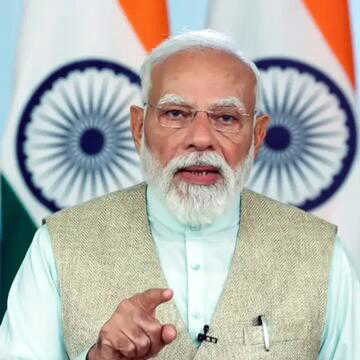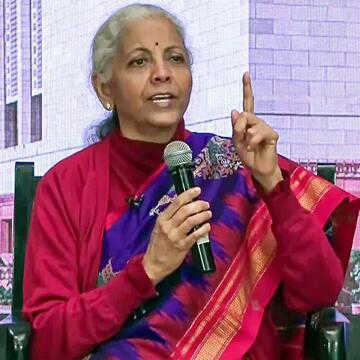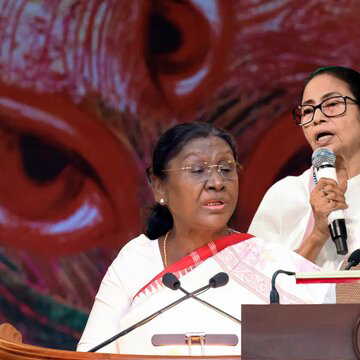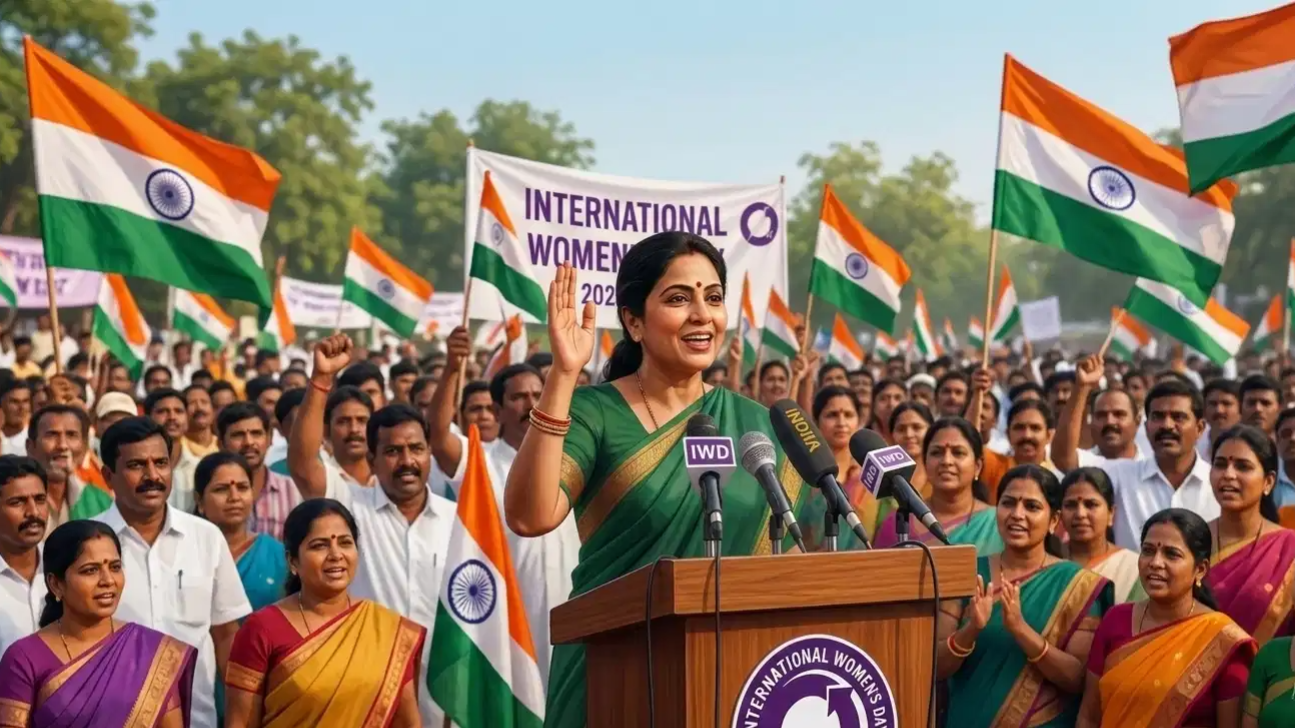
With the world observing International Women's Day, the focus in India has shifted more to the emerging role of women in politics, where women leaders are not only making policies, ruling the country, but also dominating the discussion in the country.
From the national stage to grassroots governance, women leaders have emerged as key political figures. Leaders such as Droupadi Murmu, Mamata Banerjee, and Nirmala Sitharaman have demonstrated how women continue to occupy influential roles in shaping India’s political direction.
Women who shaped India
The constituent assembly, which gave us our constitution, granting all the citizens of the country their rights, had our women leaders at the centre stage. Notable figures such as Ammu Swaminathan, Dakshayani Velayudhan, Begum Aizaz Rasul, Durgabai Deshmukh, Hansa Jivraj Mehta, Kamla Chaudhry, Leela Roy, Malati Choudhury, Purnima Banerjee, Rajkumari Amrit Kaur, Renuka Ray, Sarojini Naidu, Sucheta Kriplani, Vijaya Lakshmi Pandit, and Annie Mascarene.
India has witnessed a steady rise in women’s political participation over the years, especially after constitutional reforms that reserved seats for women in local governance bodies. Millions of women now serve as representatives in panchayats and municipal bodies, bringing issues such as healthcare, education, sanitation, and welfare to the forefront of governance.
The passage of the Women's Reservation Bill 2023, officially known as the Nari Shakti Vandan Adhiniyam, marked another significant step. The law proposes 33% reservation for women in the Lok Sabha and state legislative assemblies, a move widely seen as a milestone for gender representation in Indian politics.
Challenges persist
However, challenges persist. Women still account for a relatively small share of legislators in Parliament and many state assemblies. Political analysts note that structural barriers, party nomination practices, and social attitudes continue to influence women’s participation in electoral politics.
Also Read | International Women’s Day 2026: All you need to know about the theme, history and significance
Despite these challenges, female politicians are increasingly shaping public policy debates, from economic reforms and welfare schemes to foreign policy and regional governance.
On this International Women’s Day, the growing presence of women in India’s political system serves as both a reminder of the progress achieved and a call to further strengthen representation, ensuring that women’s voices play an even greater role in shaping the country’s democratic future.