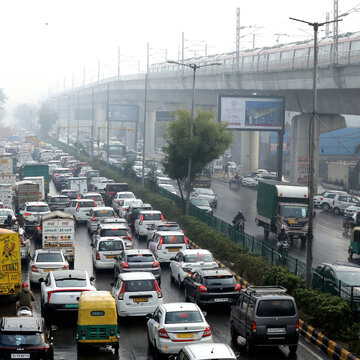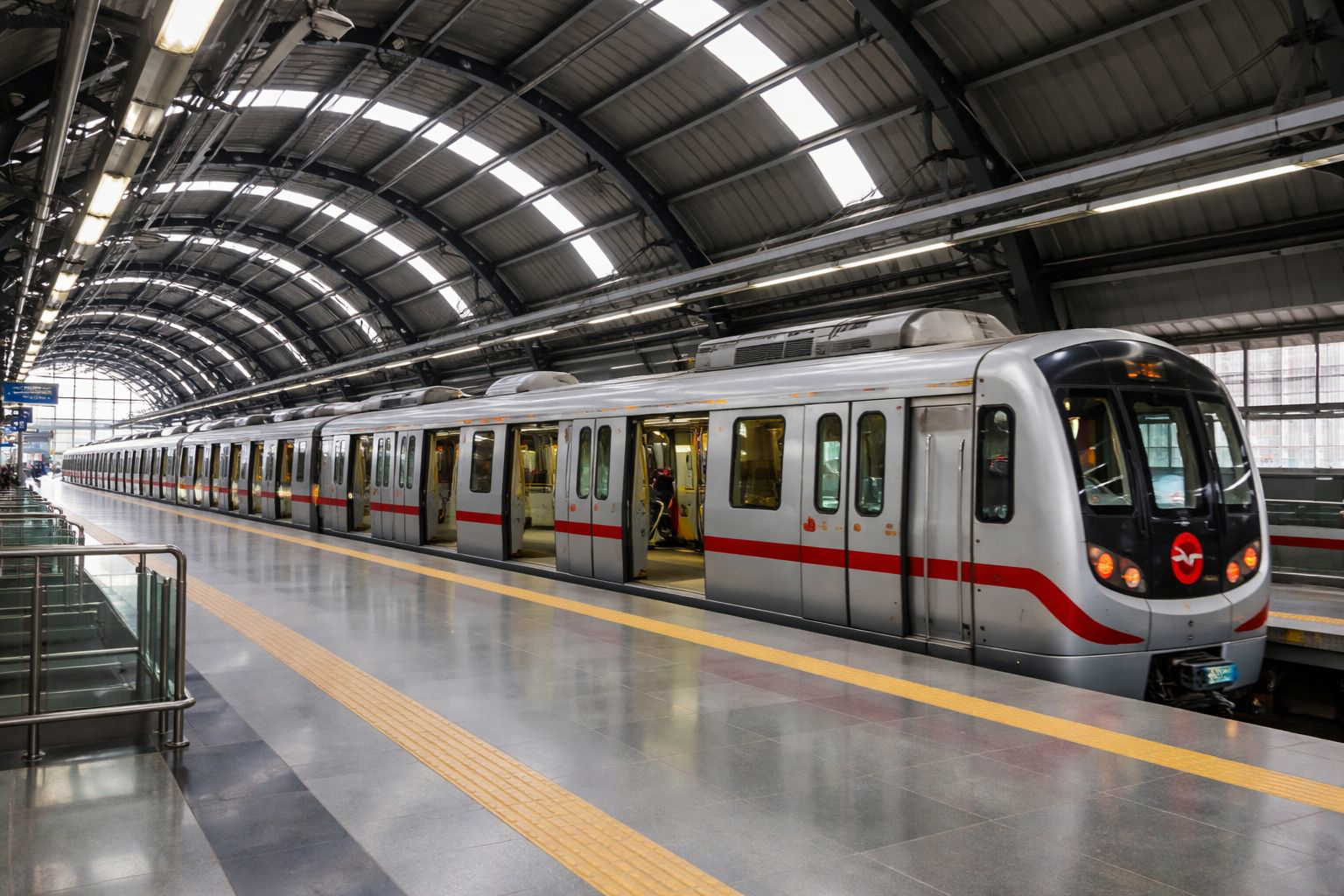
Delhi’s metro network has taken a major leap with the launch of India’s first fully operational Ring Metro, created through the expansion of the Delhi Metro’s Pink Line and Magenta Line. The project includes two newly inaugurated corridors that significantly improve connectivity across several densely populated areas of the capital. The development is expected to reduce travel time, decongest roads and strengthen public transport infrastructure across the city.
Pink Line completes Delhi’s Ring Metro
The most significant milestone is the 12.3-km Majlis Park–Maujpur-Babarpur extension on the Delhi Metro Pink Line, which effectively completes a circular metro corridor around much of Delhi. This circular alignment allows commuters to travel between different parts of the city without needing to pass through central interchange stations.
The new stretch includes several stations across North and East Delhi, such as Majlis Park, Nirankari Samagam Ground, Jharoda Majraa, Burari, Jagatpur Village, Surghat, Khajuri Khas, Bhajanpura, Yamuna Vihar and Maujpur. Many of these areas previously lacked direct metro connectivity, making the extension a major boost for daily commuters.
With this addition, the Pink Line now stretches to around 71.5 km, making it one of the longest corridors in the Delhi Metro network and enabling the country’s first circular metro route. The project is expected to significantly improve cross-city mobility by linking multiple interchange stations and reducing dependence on road travel.
Also Read | ₹1 shoes spark chaos: Massive crowd gathers, police resort to lathi-charge
Magenta Line extension strengthens connectivity
Alongside the Pink Line upgrade, a 9.9-km extension on the Delhi Metro Magenta Line between Deepali Chowk and Majlis Park has also been introduced. The corridor strengthens connectivity between West and North Delhi while providing additional interchange options with other metro lines.
The expanded Magenta Line corridor connects key stations, including Janakpuri West, Mahavir Enclave, Dabri Mor, Sagarpur, Manglapuri, Palam Extension, Sulahkul Mandir, Hastal Village, Uttam Nagar, Uttam Nagar East, Shukar Bazar, Deepali Chowk, Paschim Vihar, Peeragarhi Chowk and Majlis Park. These connections are expected to ease commuting across the outer parts of the capital. The Magenta Line is notable for being one of the first driverless metro corridors in India and plays a crucial role in linking residential and commercial zones across Delhi and Noida.
The completion of the Ring Metro and the addition of new corridors on the Pink and Magenta lines mark a significant milestone in Delhi’s urban transport development. By improving connectivity in North, West and East Delhi while easing traffic congestion, the expansion is expected to encourage more residents to shift from private vehicles to public transport, strengthening the capital’s growing metro network.