India’s explosive batting display in the T20 World Cup final against New Zealand was not just a show of brute power but also a reflection of meticulous planning and modern cricket analytics.
Behind the aggressive approach adopted by the Indian openers lay detailed pre-match analysis carried out by the team’s strategy and data units. In the build-up to the final, analysts reportedly studied New Zealand’s bowling patterns extensively, examining PowerPlay economy rates, preferred lengths, field placements, and match-up vulnerabilities.
The Indian think tank appeared to identify specific bowlers who were susceptible to early pressure and devised a clear plan to target them during the fielding restrictions. As the final began, the openers executed that blueprint almost perfectly, attacking particular bowlers while playing calculated strokes against others.
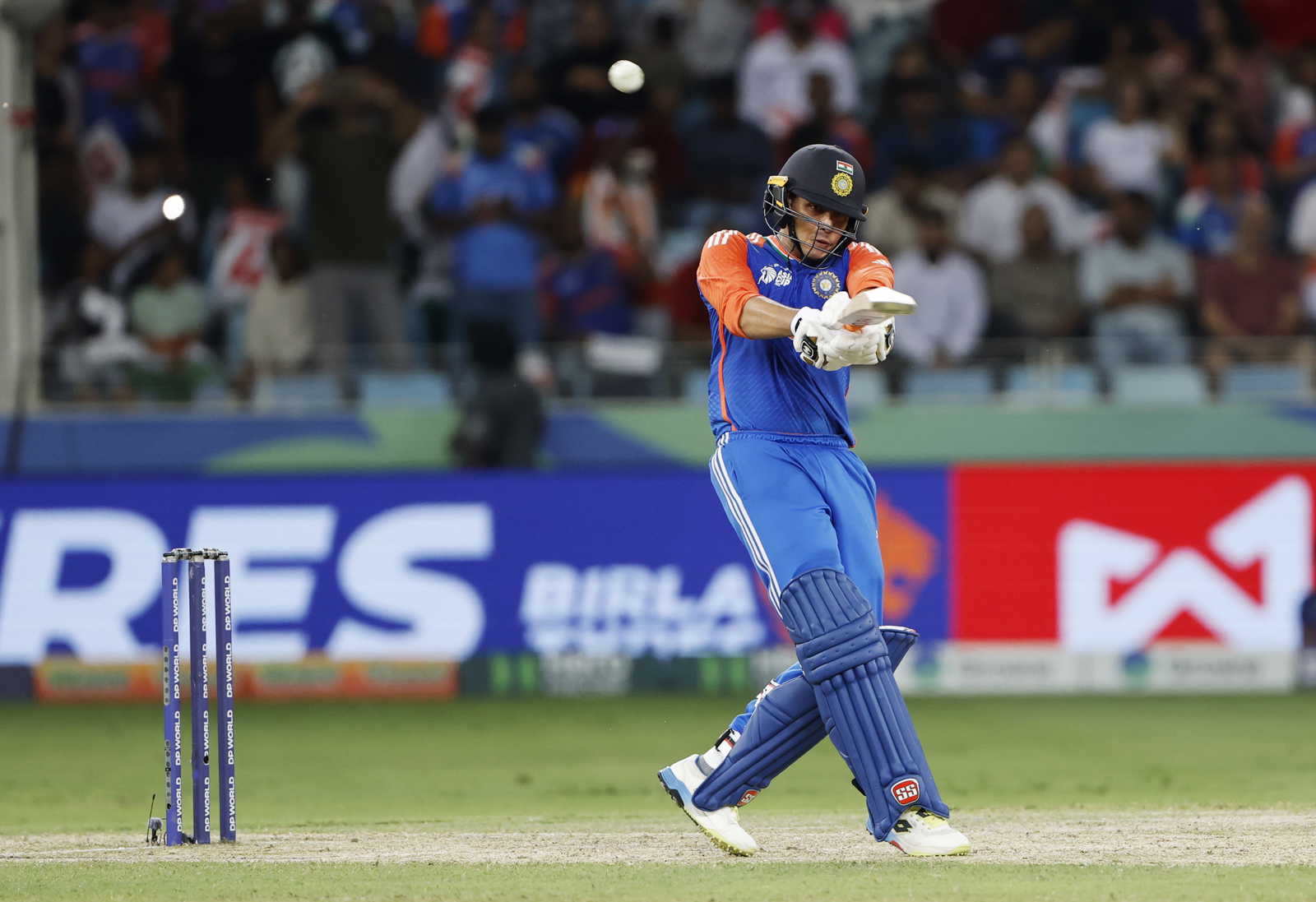
Certain deliveries, especially short-of-length balls and those drifting into the hitting arc, were dispatched to the boundary with authority. The batters also rotated strike cleverly to ensure that the more vulnerable bowlers faced the bulk of the attack.
New Zealand attempted to disrupt the momentum with quick bowling changes and altered fields, but the Indian batters seemed well prepared for each variation. Their shot selection suggested prior awareness of where scoring opportunities would emerge.
Modern T20 cricket has increasingly become a blend of instinctive strokeplay and data-driven strategy. The final served as a prime example of how analytics can shape on-field decisions without diminishing the drama of the contest.
India’s calculated aggression during the PowerPlay not only thrilled spectators but also underlined the growing role of technology and statistical insights in elite cricket.
In the end, what unfolded was a perfect fusion of preparation and performance, where hours spent studying numbers translated into a breathtaking display of batting on the sport’s biggest stage.