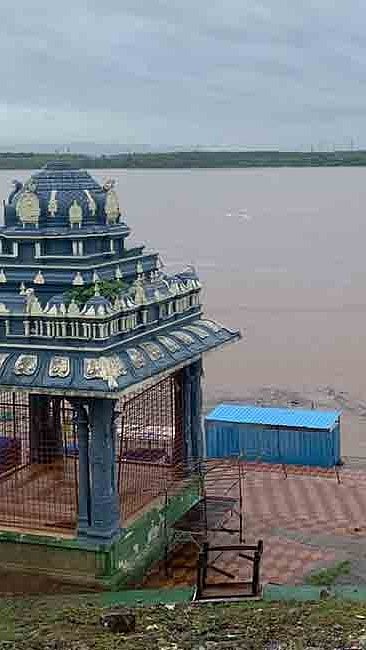
On India's map, Godavari holds the position right after the Ganges. It is called the lifeline of South India. Due to its length and heritage, this river is also considered one of India's most sacred rivers. The nature and economy of South India primarily revolve around this river.
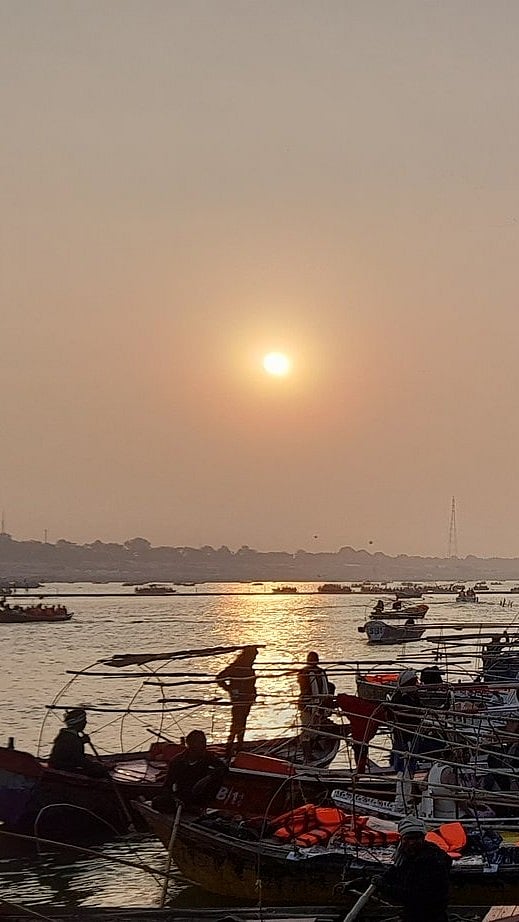
The Godavari River is 1465 kilometers long. Due to this vast length and keeping its religious importance in mind, it is called 'Dakshin Ganga' or 'Dakshina Ganga'.
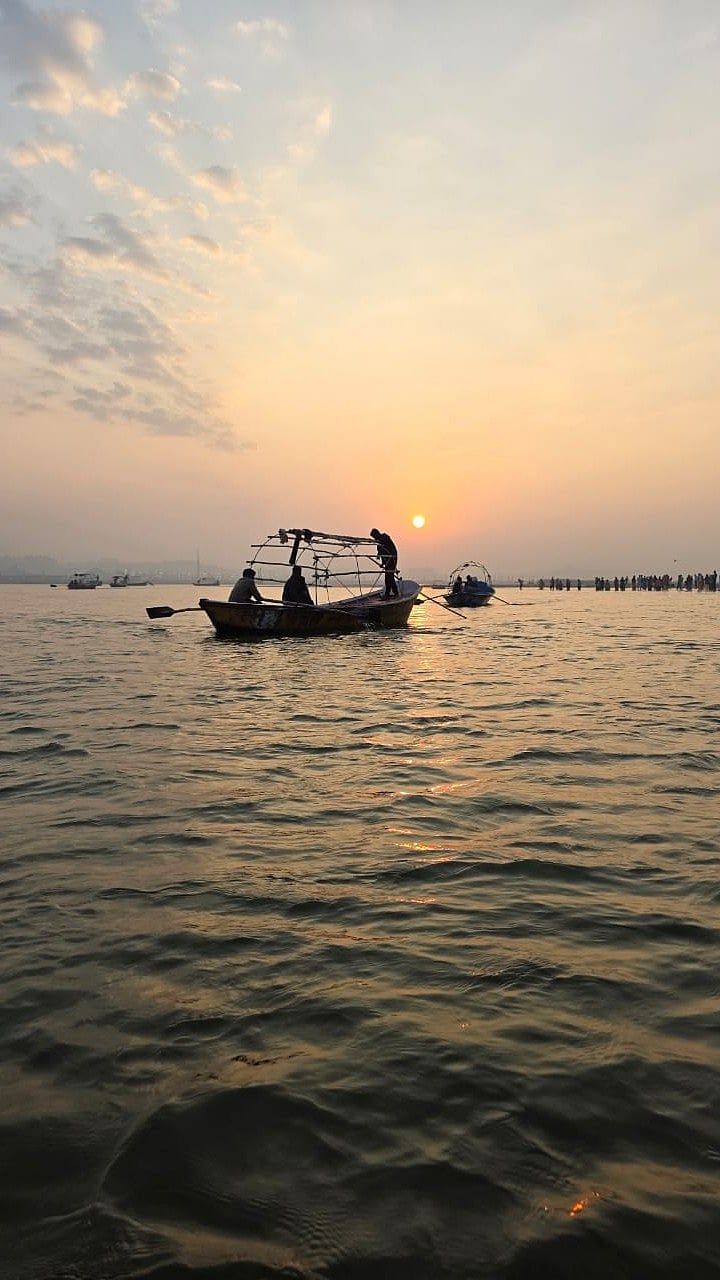
The Godavari River originates from Trimbakeshwar in Nashik, Maharashtra. Flowing over the Deccan Plateau, this river merges into the Bay of Bengal along Andhra Pradesh on India's eastern coast.
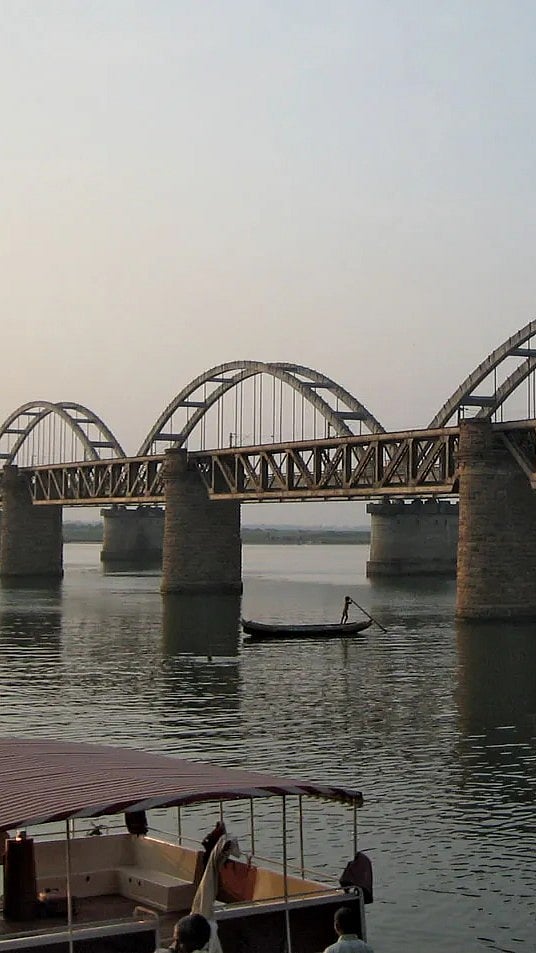
This river basin extends over approximately 10 percent of the country's total geographical area. In terms of area, it is India's third largest basin region.
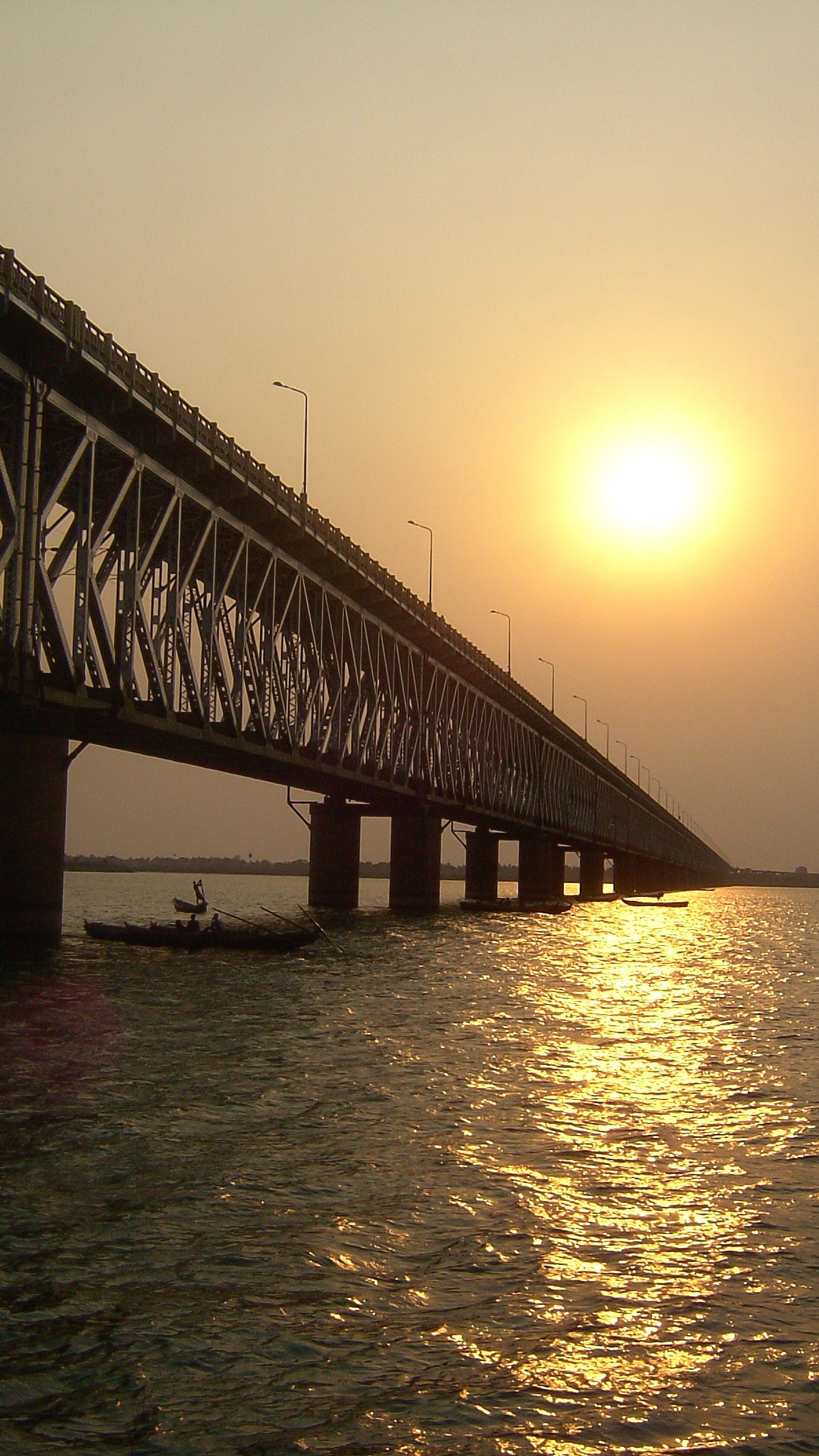
The Godavari River mainly flows through Maharashtra, Telangana, Andhra Pradesh, Chhattisgarh and Odisha. Besides this, several parts of this river basin are also spread across Madhya Pradesh and Karnataka.
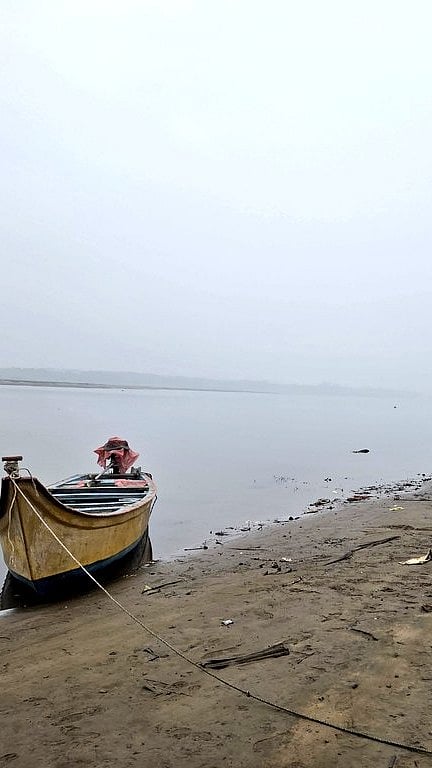
Godavari has numerous tributaries— Pravara, Purna, Manjra, Pen Ganga, Wardha, Wainganga, Pranhita, Indravati, Maner and Sabari.
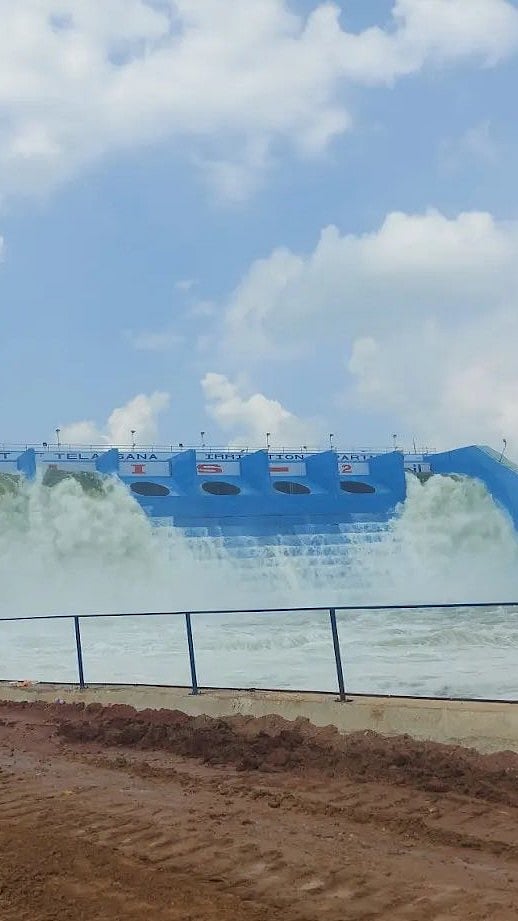
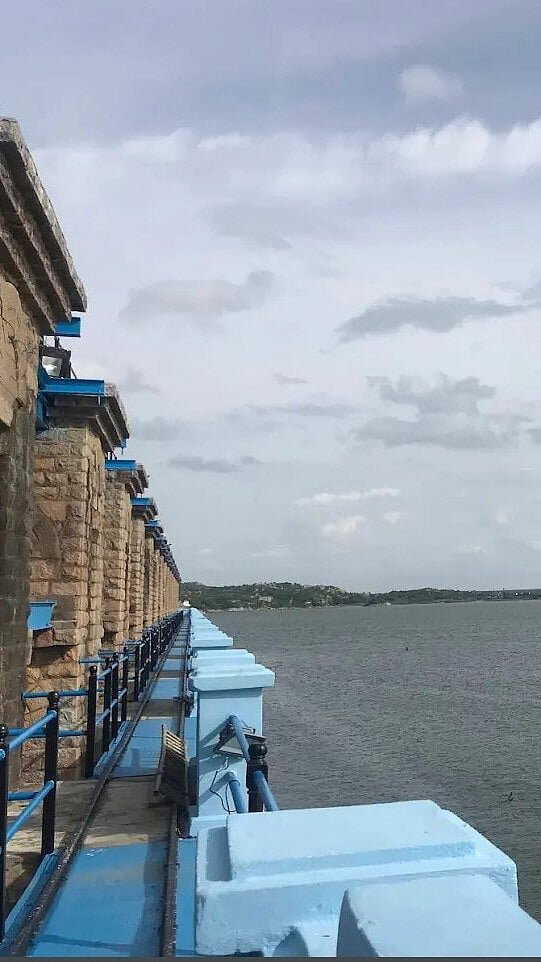
Not just farming, large hydroelectric projects have been built utilizing Godavari's current. Besides this, numerous dams and barrages have been constructed on this river. Among these, one of the notable ones is the Sir Arthur Cotton Barrage.
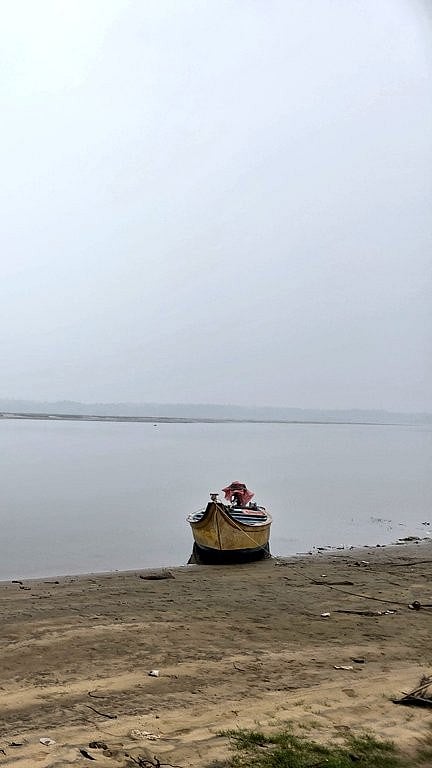
Godavari's delta region is one of India's most fertile lands. A vast irrigation system has developed around this river. Due to abundant water supply, extensive rice cultivation takes place in this delta region.
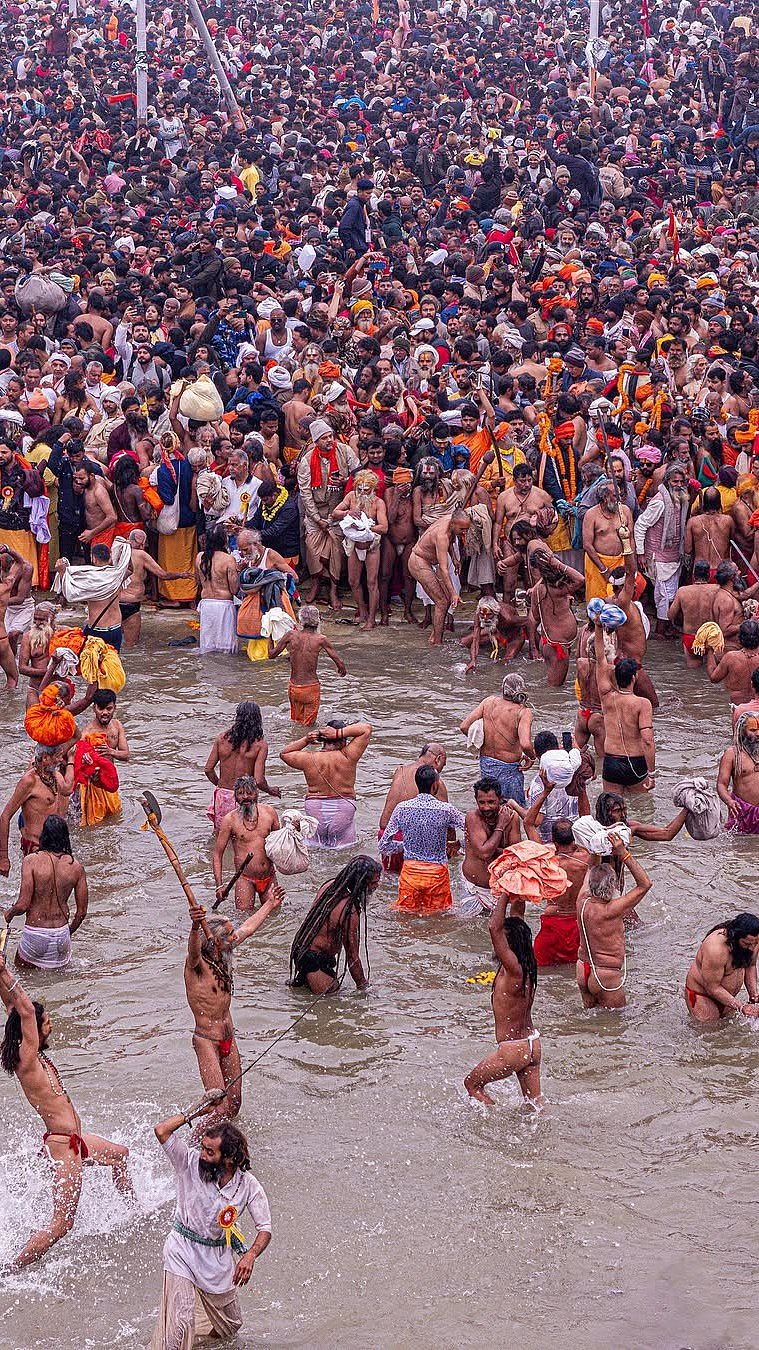
The pilgrimage sites built along the banks of the Godavari River are extremely sacred to Hindu devotees. Multiple religious festivals including Kumbh Mela are celebrated on the banks of this river.