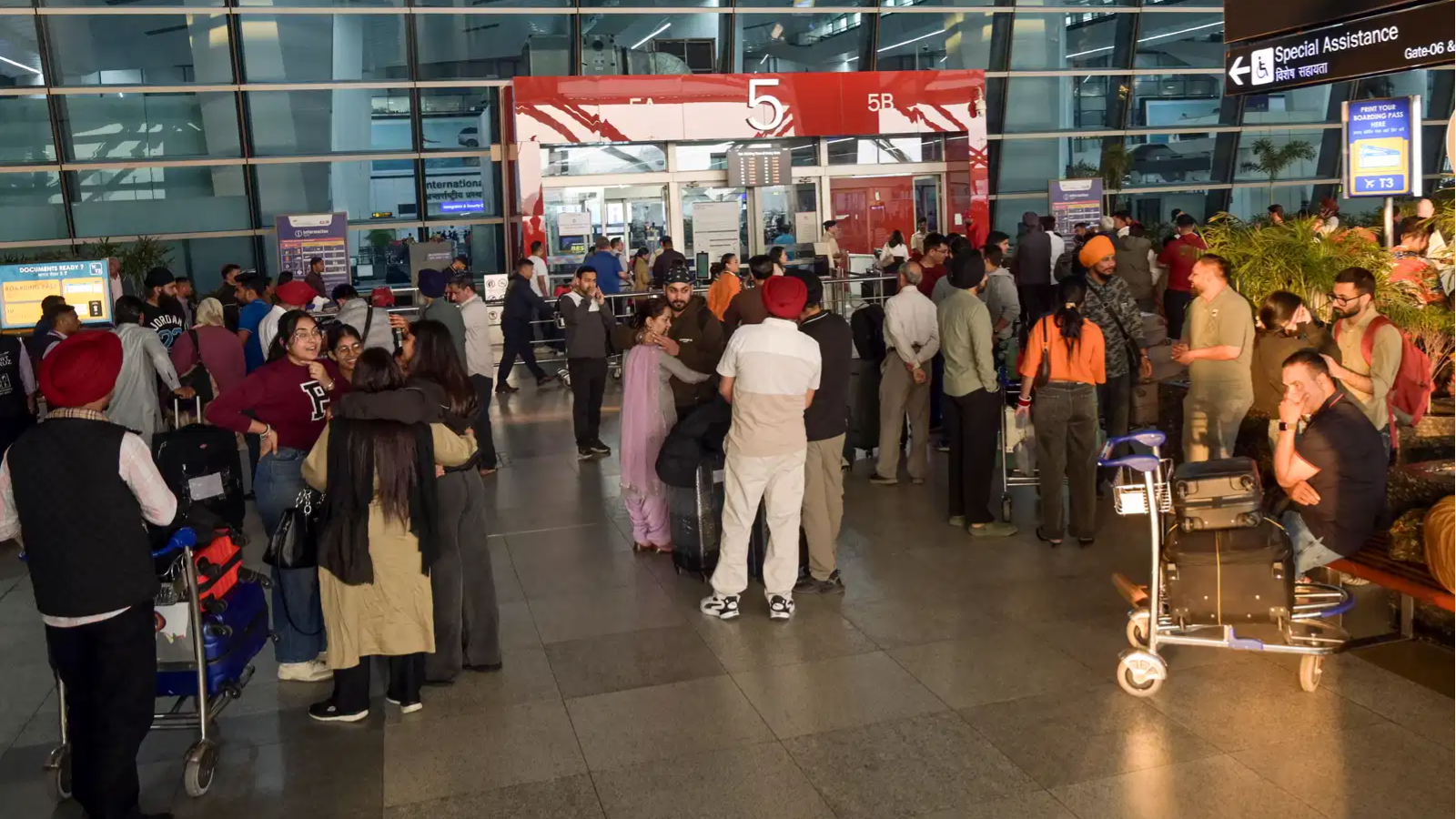
Health authorities at Delhi’s Indira Gandhi International Airport (IGI) have stepped up screening and surveillance measures following a rise in Ebola virus cases in parts of Africa.
In a circular issued on Thursday, airport authorities said passengers arriving from high-risk countries, including the Democratic Republic of the Congo, Uganda and South Sudan, will undergo enhanced health screening protocols at international arrival terminals.
The move comes as authorities aim to strengthen monitoring and prevent any possible transmission of the Ebola virus in India.
Mandatory screening and health checks
Under the new advisory, all passengers arriving directly or through transit from the identified high-risk nations will face mandatory non-contact thermal screening at designated corridors inside the international arrivals area.
Also Read | ‘Worse than loo’ warning in Noida, Ghaziabad as Delhi sizzles under orange alert
Travellers will also be required to submit detailed self-declaration health forms. These forms will include travel history for the previous 21 days and disclosure of symptoms such as fever, severe body pain or unexplained bleeding.
Passengers found with symptoms or elevated temperature readings will be immediately isolated in designated bays to avoid contact with other travellers.
The preventive measures were issued by the Union Ministry of Health and Family Welfare through the Airport Health Organisation (APHO).
Passenger Advisory issued at 10:55 hrs.#DelhiAirport #PassengerAdvisory #DELAdvisory@CISFHQrs @BOIndiaOfficial @MoCA_GoI @PIBHomeAffairs @LPAI_Official @shipmin_india @MoHFW_INDIA @BcasHq pic.twitter.com/XWHlr0wjFO
— Delhi Airport (@DelhiAirport) May 21, 2026
Centre issues SOPs to states and UTs
To ensure a coordinated response, the Central government has circulated detailed Standard Operating Procedures (SOPs) to all states and Union Territories.
According to reports, the guidelines include protocols related to passenger screening before and after arrival, quarantine procedures, active case management, referral systems for hospitals and laboratory testing mechanisms.
Authorities have said the measures are intended to strengthen early detection and preparedness across the country.
Also Read | Delhi-NCR commuters face cab and auto disruptions: What triggered the three-day strike?
India reports no Ebola cases so far
India has not reported any Ebola cases so far, and the Central government has maintained that the overall risk to the country remains “minimal”.
Despite that assessment, surveillance and health preparedness measures have been intensified after the World Health Organisation (WHO) declared the outbreak in parts of Central Africa a Public Health Emergency of International Concern (PHEIC).
The latest advisory is part of broader efforts to monitor international arrivals closely and prevent any possible public health risk linked to the outbreak.